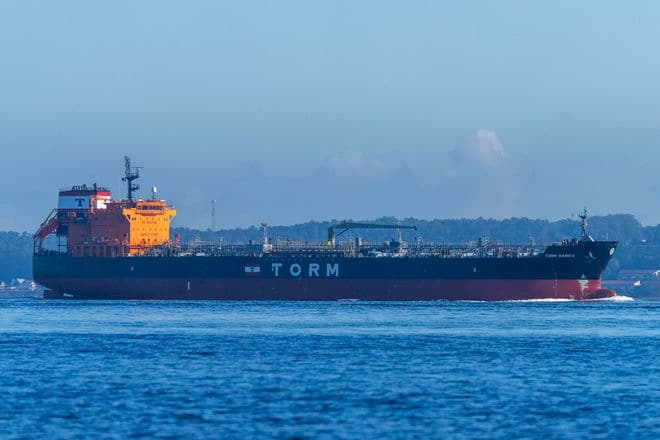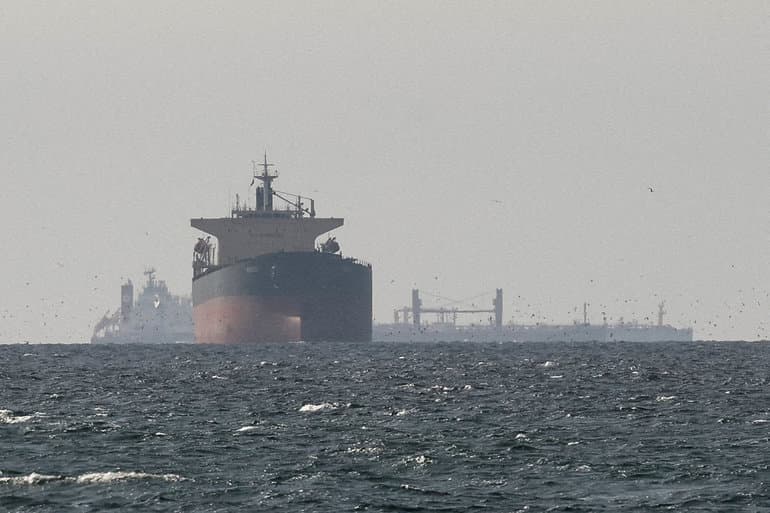
In another era, ships had to fork out money or part of their cargo if they wanted to pass through Kronborg. The Danish king collected Øresund duties for centuries, and there were cannons at Kronborg to enforce the collection.
But everything has its time. By 1857, international pressure to stop collecting duties had become so great that Denmark stopped the over 400-year-old practice. The United States was also the standard-bearer in the pressure to get Denmark to stop charging transit duties.
Since then, international rules have been introduced to ensure that shipping traffic around the world does not have to pay duties. But in connection with the war in the Middle East and the fragile ceasefire, the old story is resurfacing.
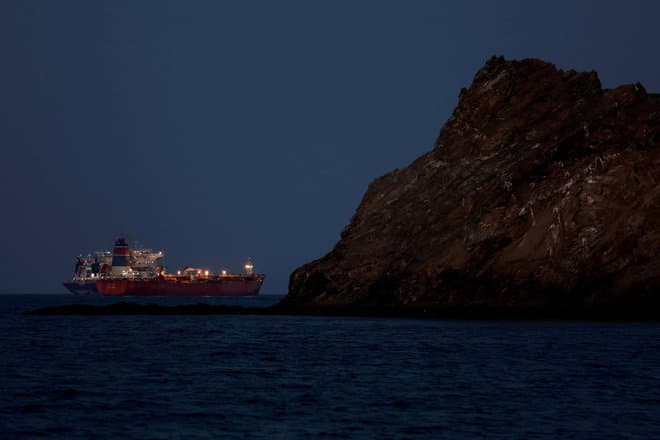
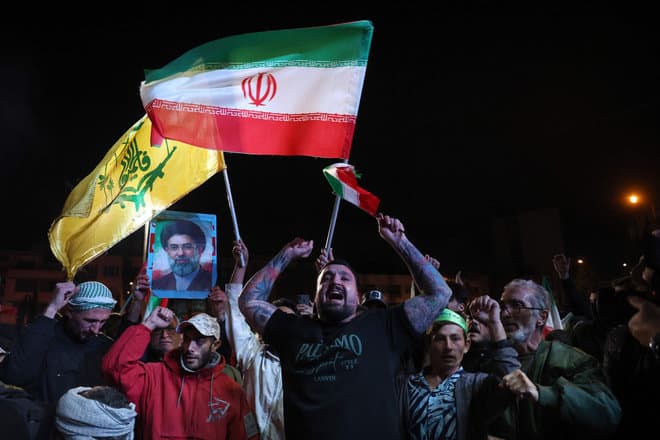
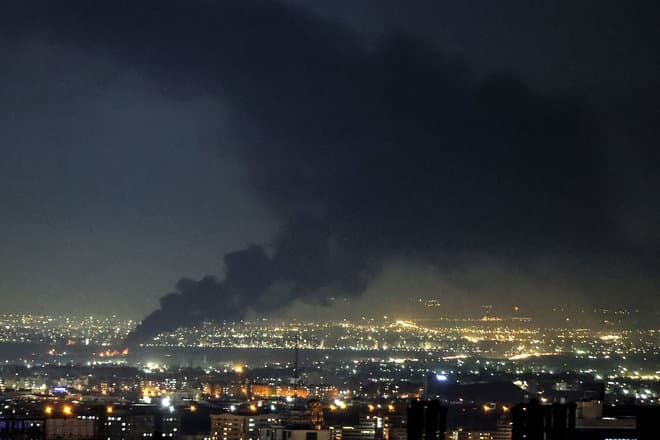
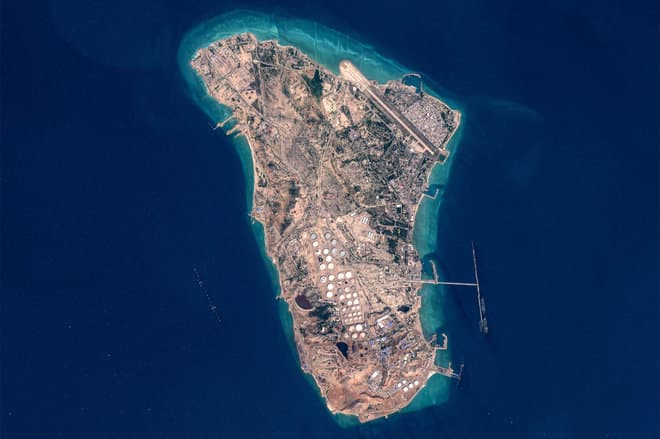
For Iran now says that the state will collect duties to pass through the narrow and strategic Strait of Hormuz, where Iran can control shipping traffic in and out of the Persian Gulf. 20 percent of the world's oil consumption passes through here.
There are already protests against Iran's plans, but right now it is a completely open question what will happen. Read here about Iran's plans, reactions and the rules in the area:
* What does Iran say?
Reuters has spoken to an unnamed senior Iranian official who says that Iran will have introduced in a permanent peace agreement that Iran can collect duties, or a tax, from ships that want to pass through the Strait of Hormuz.
The Strait of Hormuz is international waters. During the war, Iran has blocked the strait, which before the outbreak of war on February 28 was free of shipping.
During the blockade, some ships have sailed through the strait after receiving special permission from Iran. There are unconfirmed reports that a ship paid a two million dollar toll to pass through the strait.
* What is the US saying?
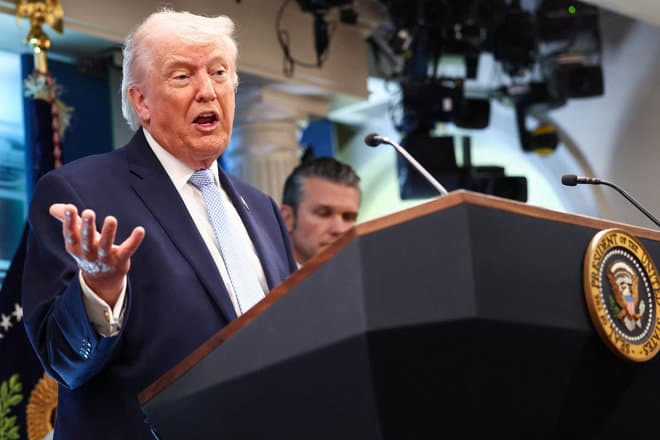
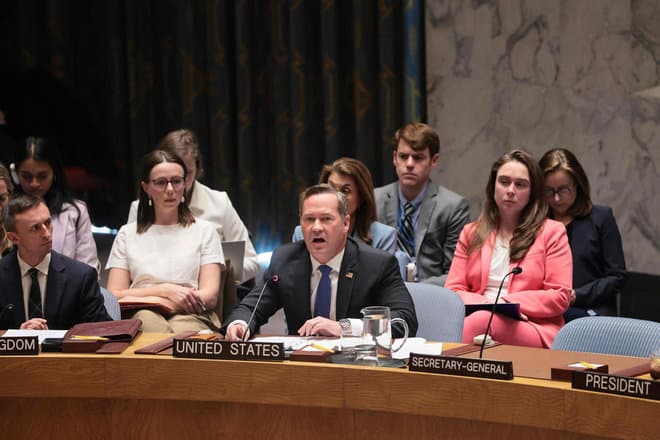
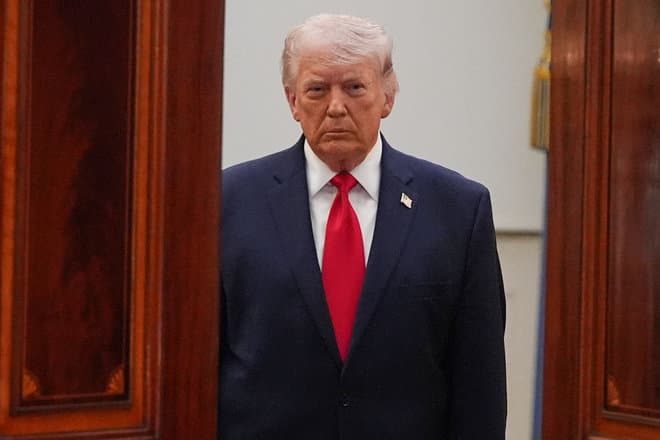
There are different reports from the White House. President Donald Trump has demanded that there be free navigation through the Strait of Hormuz. According to the US, the ceasefire agreement from Wednesday also says that the strait must be opened.
Karoline Leavitt, a spokeswoman for the White House, has said that Trump's priority is the reopening of Hormuz without restrictions. But she will not rule out that Iran and the US could share the revenue from a Hormuz tariff in the future.
The AP news agency wrote on Wednesday that Trump is against a Hormuz tariff, according to the White House. But Trump also said Wednesday in an interview with ABC that the United States might cooperate with Iran on the tariffs.
* What do they say in the Gulf?
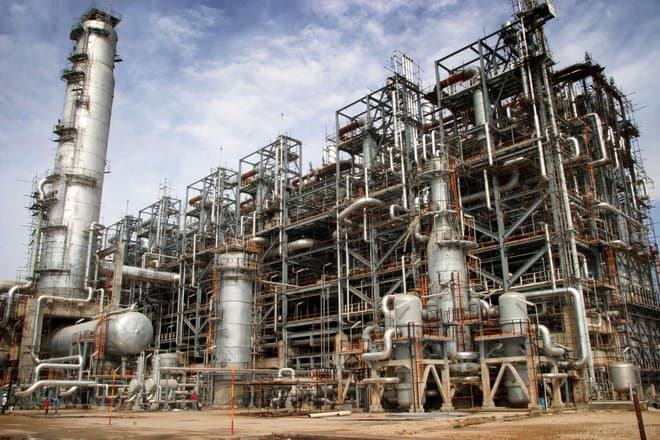
The Gulf countries are against tariffs, and so are the oil companies. Politico writes that top executives from oil companies have contacted the White House to get the United States to prevent Iran from imposing tariffs.
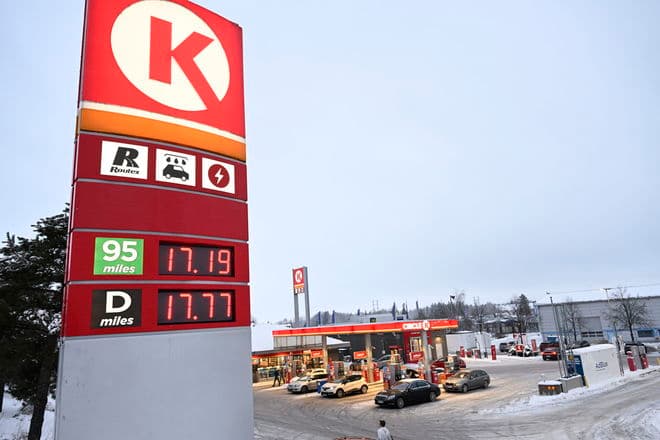
They point out that a tariff of, for example, two million dollars per tanker will make oil more expensive, and that bill could hit consumers.
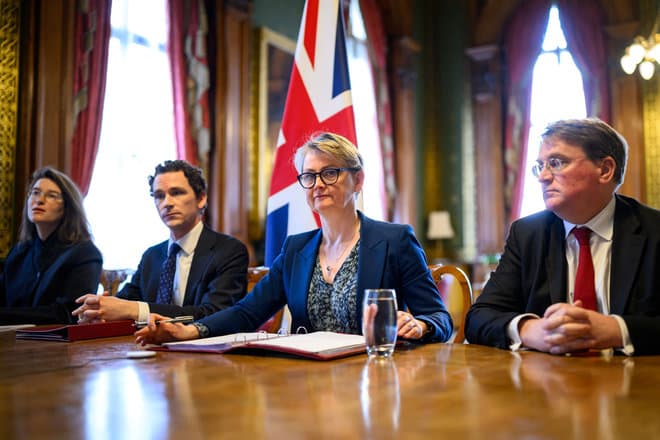
According to Politico, foreign diplomats have also approached the White House to get something done about the matter. They warn, among other things, that it could set a precedent, so that there could be Chinese tariffs in the China Sea and Russian tariffs in the Arctic.
* What do the international rules say?
They are stated in Unclos, the UN Convention on the Law of the Sea. It sets out international maritime law and says that states bordering straits cannot charge tolls for ships that want to pass through.
However, they can charge for assistance from a pilot or other services.
AP points out that neither Iran nor the United States have joined the convention. 172 countries, including Denmark, have.
* Are tolls charged elsewhere?
Yes, but not in natural waterways. Egypt charges a fee to sail through the Suez Canal, and Panama charges a fee to use the Panama Canal.
/ritzau/
Text, graphics, images, sound, and other content on this website are protected under copyright law. DK Medier reserves all rights to the content, including the right to exploit the content for the purpose of text and data mining, cf. Section 11b of the Copyright Act and Article 4 of the DSM Directive.
Customers with IP agreements/major customer agreements may only share Danish Offshore Industry articles internally for the purpose of handling specific cases. Sharing in connection with specific cases refers to journaling, archiving, or similar uses.
Customers with a personal subscription/login may not share Danish Offshore Industry articles with individuals who do not themselves have a personal subscription to Danish Offshore Industry.
Any deviation from the above requires written consent from DK Medier.