China and Russia vetoed a resolution in the UN Security Council on Tuesday that deals with the protection of commercial shipping in the Strait of Hormuz. Several media outlets, including the AFP news agency and the British television station BBC, reported this.
China's UN ambassador, Fu Cong, explained, according to the Reuters news agency, that in China's opinion the resolution text contained unilateral condemnation and pressure.
He added that it would send the wrong signal to adopt the resolution at a time when the United States is threatening the survival of an entire civilization.
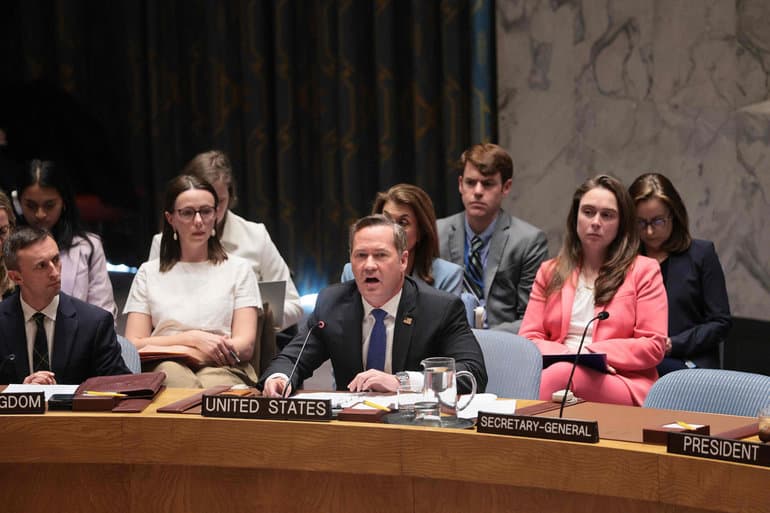
11 of the 15 member states of the UN Security Council voted in favor of the resolution. Two voted against, and two - Pakistan and Colombia - abstained, the BBC reports. The resolution was submitted by Bahrain, which currently holds the presidency of the Security Council.
According to AFP, Bahrain's Foreign Minister, Abdullatif bin Rashid al-Zayani, said that the Gulf states "regret" the outcome of the vote.
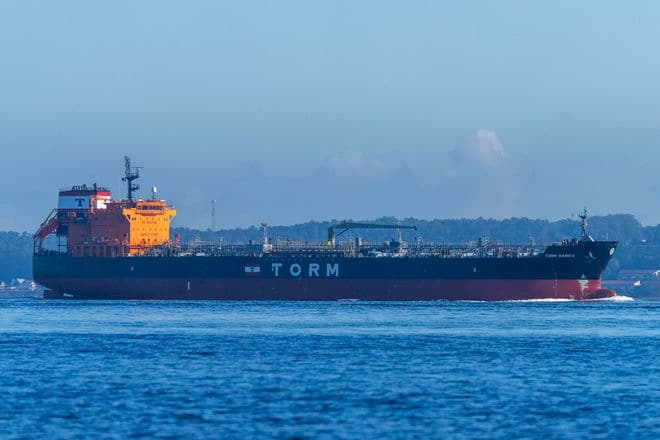
The resolution text "strongly calls on" member states to "coordinate defensive efforts commensurate with the circumstances to contribute" to the safe passage of ships through the important strait, writes the BBC. The resolution also demanded that Iran stop attacks on ships sailing through.
Through several weeks of negotiations, the text had been heavily watered down. Originally, the Gulf states had asked for permission to use force to protect the important route, writes AFP.
Ahead of the vote, Al-Zayani had warned that failure to act would have serious consequences for the entire world. This could lead to similar blockages in other important waterways around the world, he warned, according to the BBC.
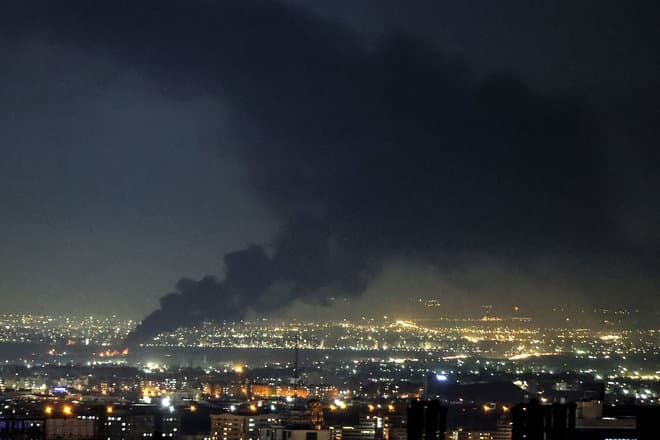
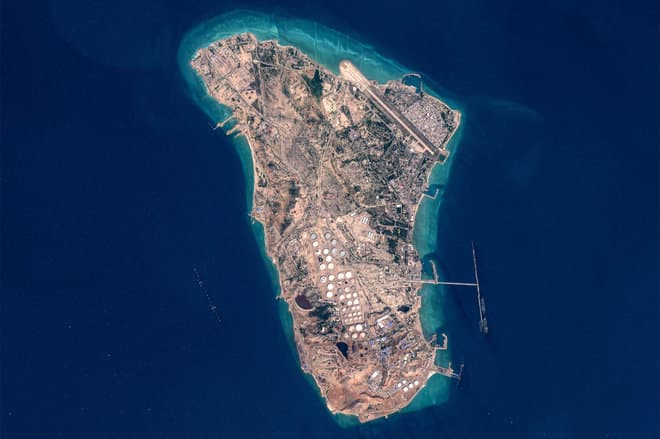
A fifth of the world's oil passes through the Strait of Hormuz. Several countries, especially in Asia, are threatened by fuel shortages after Iran closed the strait in response to US and Israeli attacks on the country.
/ritzau/
Text, graphics, images, sound, and other content on this website are protected under copyright law. DK Medier reserves all rights to the content, including the right to exploit the content for the purpose of text and data mining, cf. Section 11b of the Copyright Act and Article 4 of the DSM Directive.
Customers with IP agreements/major customer agreements may only share Danish Offshore Industry articles internally for the purpose of handling specific cases. Sharing in connection with specific cases refers to journaling, archiving, or similar uses.
Customers with a personal subscription/login may not share Danish Offshore Industry articles with individuals who do not themselves have a personal subscription to Danish Offshore Industry.
Any deviation from the above requires written consent from DK Medier.