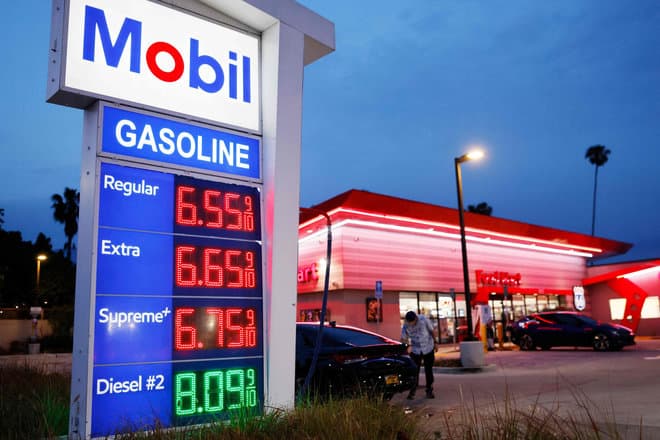
The price of oil has fallen below $100 following the announcement of a two-week ceasefire in the Middle East. This is reported by the news agency Reuters.
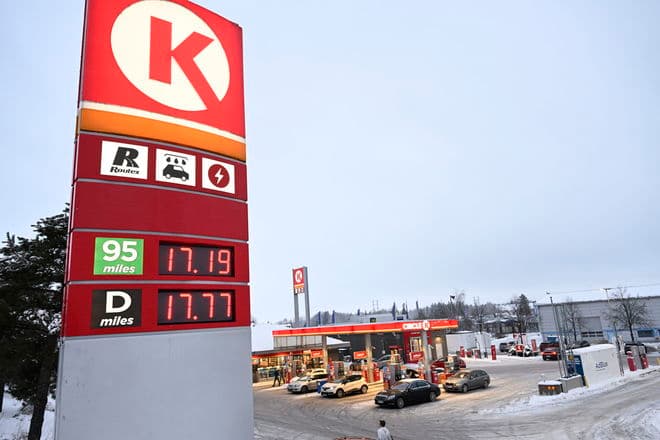
The price of a barrel of Brent crude oil fell quickly and dramatically to $92.35. This is a drop of 15 percent. According to the media outlet Axios, this is the biggest drop in oil prices since the Gulf War in 1991. According to CNN, the price of a barrel of oil was $67.02 on February 27, before the war began.
The stock market has also reacted positively to Iran's announcement that ships can safely sail through the Strait of Hormuz for the next two weeks.
Both American and European futures rose as a result of the announcement. The American S&P 500 rose by more than two percent, while the European ones rose by more than four percent. Futures are financial contracts where you agree to buy or sell a share at a fixed price at a future date. They can be traded outside stock exchange opening hours and therefore provide an early warning of where the market will go when they reopen.
In the Asian market, where the stock exchange was open overnight Monday Danish time, the Japanese Nikkei index rose by about five percent. South Korea's Kospi rose by six percent.
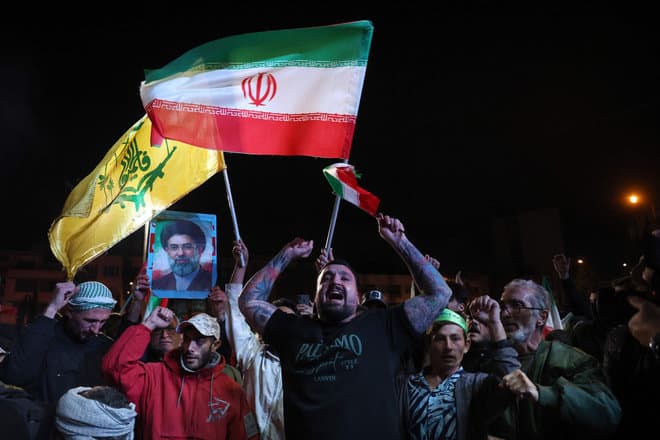
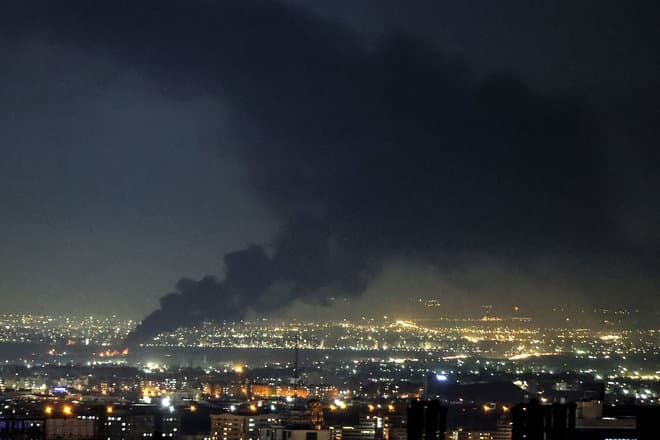
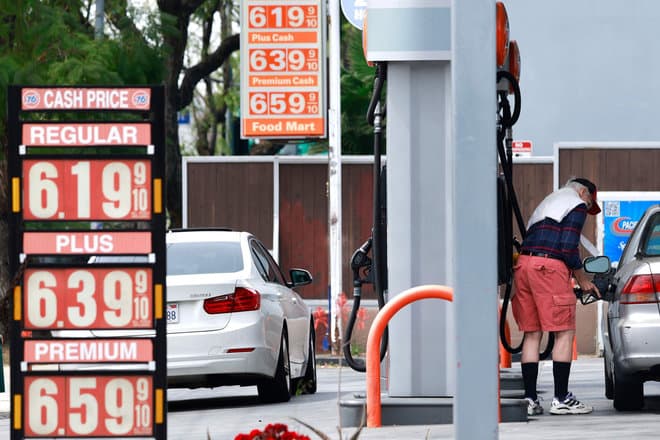
The six-week conflict has sent oil prices soaring and ignited fears of inflation. It has also created economic uncertainty and forced governments and companies to quickly find solutions to a sudden energy crisis.
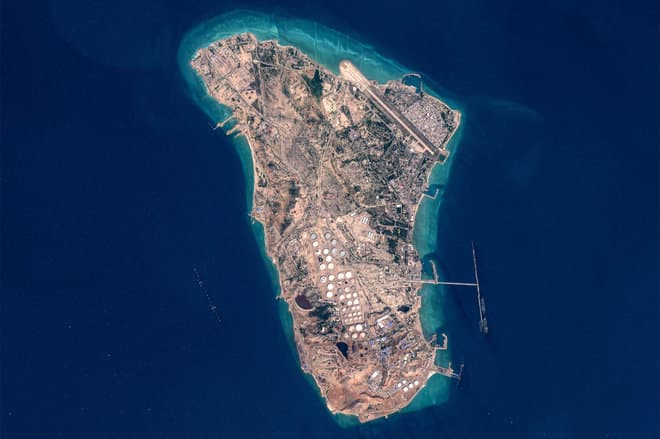
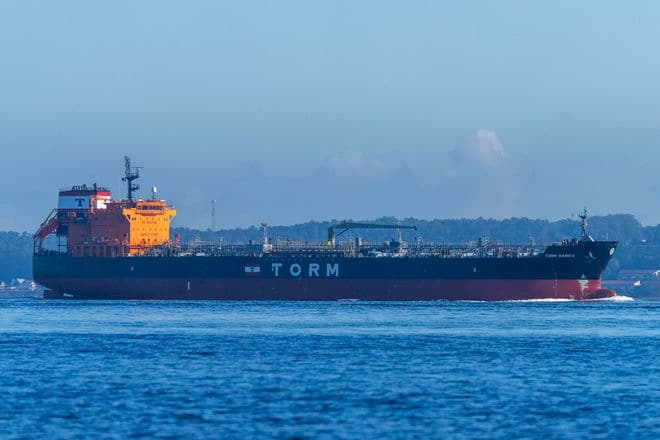
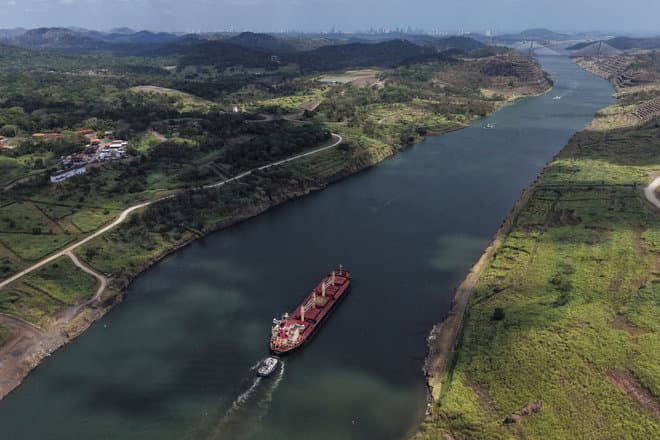
20 percent of the world's oil and gas is transported through the Strait of Hormuz, which Iran has de facto blocked since Israel and the United States attacked the country on February 28.
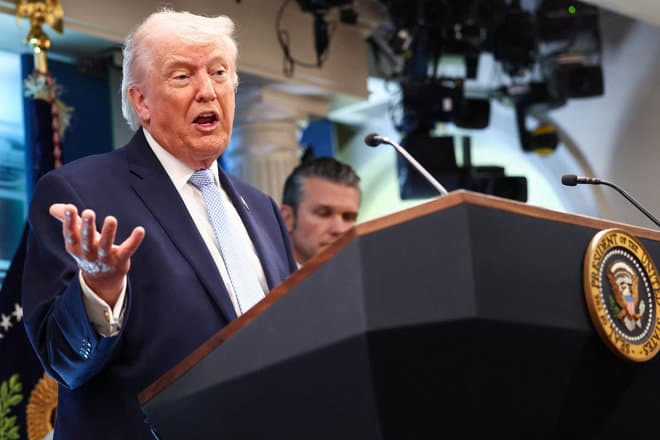
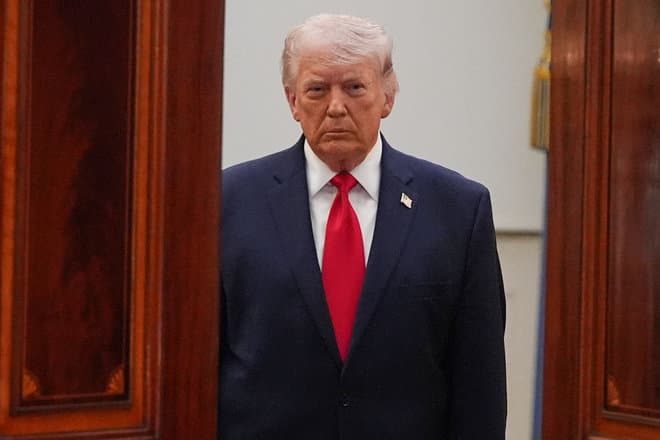
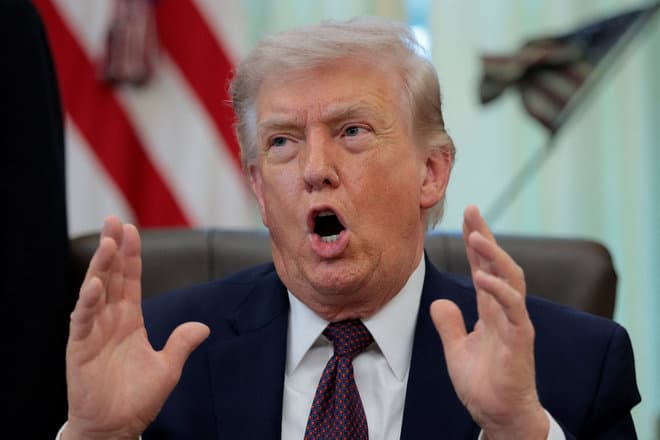
When US President Donald Trump announced on his social media account, Truth Social, on Wednesday night that the United States would enter into a ceasefire with Iran, it was an abrupt change of course.
A few hours earlier he had said that "an entire civilization will die tonight" unless his demands, including the reopening of the Strait of Hormuz, were met. Iran confirmed that negotiations are underway and has set as a condition that the United States stop its attacks on the Gulf state.
/ritzau/Reuters
Text, graphics, images, sound, and other content on this website are protected under copyright law. DK Medier reserves all rights to the content, including the right to exploit the content for the purpose of text and data mining, cf. Section 11b of the Copyright Act and Article 4 of the DSM Directive.
Customers with IP agreements/major customer agreements may only share Danish Offshore Industry articles internally for the purpose of handling specific cases. Sharing in connection with specific cases refers to journaling, archiving, or similar uses.
Customers with a personal subscription/login may not share Danish Offshore Industry articles with individuals who do not themselves have a personal subscription to Danish Offshore Industry.
Any deviation from the above requires written consent from DK Medier.