People in the Middle East can probably breathe a sigh of relief in the wake of the news of a two-week ceasefire between Iran and the US, and that probably also applies to those who fear an energy crisis.
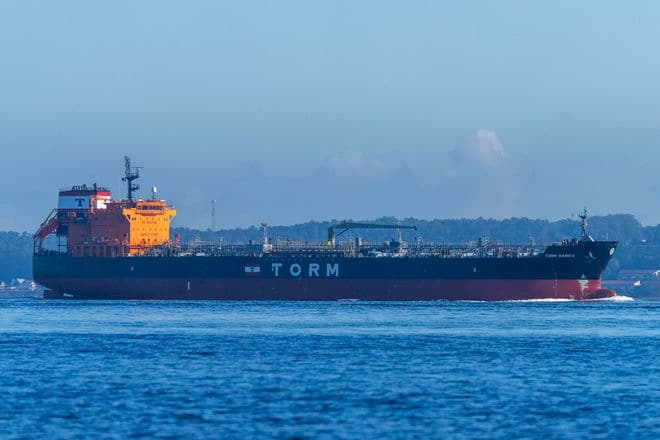
Because immediately after the news of the ceasefire - and thus the possibility of sending large oil tankers through the Strait of Hormuz again - there was a significant drop in the price of a barrel of oil on the world market.
This is expected to affect gasoline and diesel prices in the coming days, says Ilyas Dogru, a consumer economist at the car owners' interest organization FDM.
- But you shouldn't expect prices to fall to pre-crisis levels just yet, says the consumer economist.
He initially expects a drop of around one krone for a liter of diesel and 50 øre for a liter of gasoline.
- And you should prepare for the oil price and prices to fall at the gas stations may fluctuate a lot in the coming time, he says.
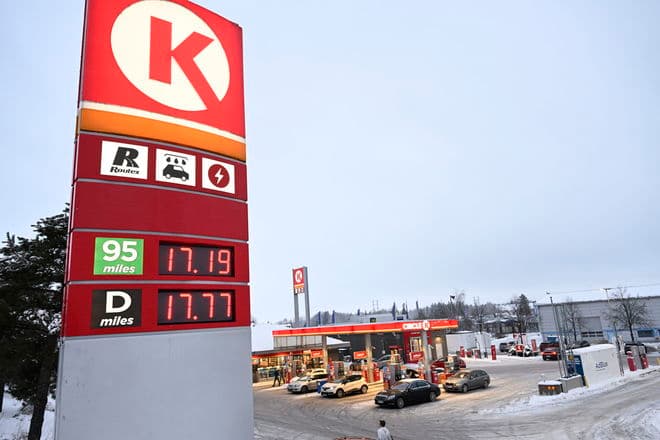
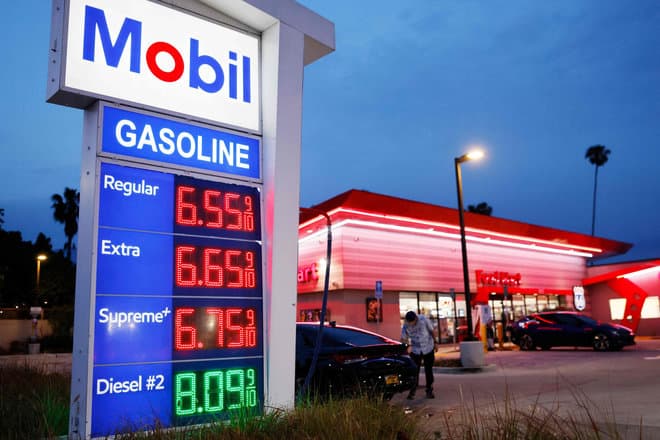
The prices for refueling gasoline and diesel have increased since the war broke out.
The price of a liter of diesel in particular has increased sharply. According to FDM's calculations, the price of a liter of diesel on Wednesday was a record high of 18.49 kroner. This was unchanged from Tuesday. On March 1, according to FDM, the price was 13.39 kroner for a liter of diesel.
The price of a liter of gasoline on Wednesday was 16.19 kroner. This was also unchanged from Tuesday. On March 1, the price was 13.79 kroner for a liter of gasoline, according to FDM.
The price of a barrel of Brent crude oil fell quickly and dramatically to 92.35 dollars on Wednesday morning.
It was a 15 percent drop, which, according to TV 2, is only surpassed by the drops around the Gulf War in 1991 and the corona pandemic in 2020.
Still, it will be a long time before drivers can again refuel at prices that resemble those before the war, also estimates chief analyst Jens Nærvig Pedersen, Danske Bank.
- We came from a fairly low level before the war started, where there was almost too much oil on the market.
- It is probably unrealistic that we will return to the price level we had before the war broke out, he says.
According to CNN, the price of a barrel of oil was 67.02 dollars on February 27, before the war began.
The ceasefire means that ships can sail safely through the Strait of Hormuz for the next two weeks.
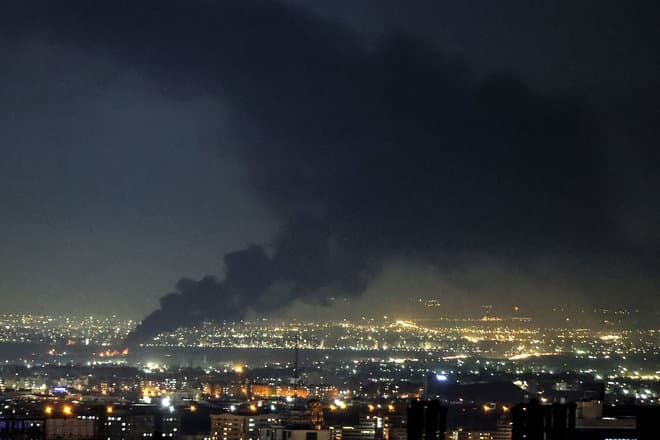
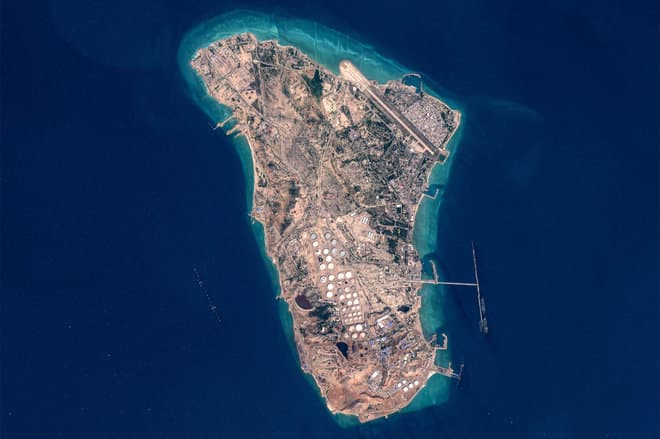
20 percent of the world's oil and gas are normally transported through the strait, which Iran has de facto blocked since Israel and the United States attacked the country on February 28.
How the prices of oil and fuel will develop depends on whether the ceasefire is respected and whether the shipping companies actually dare to send the large oil tankers through the strait, assesses Jens Nærvig Pedersen.
- It will be really interesting to follow how much oil will flow through the Strait of Hormuz. It is one thing to declare a ceasefire. Another thing is how many ships will actually sail through.
- With the drop in oil prices, it seems that there are high expectations in the market that there will be quite a few tankers sailing through.
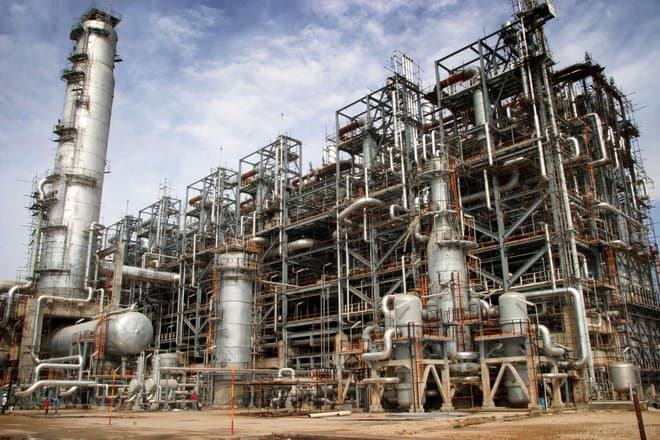
- The diesel market is also dependent on refined products from the Middle East, so it will also be interesting to follow whether there is a little loosening up from that part of the energy market, says Jens Nærvig Pedersen.
The gas price also fell immediately after the news of the ceasefire between the USA and Iran.
According to the news agency AFP, the price of European natural gas fell 20 percent on Wednesday morning.
The news of a ceasefire also spread like wildfire to the stock markets, where investors welcomed the news and sent prices soaring.
In Copenhagen, the C25 index opened with an increase of 2.5 percent.
/ritzau/
Text, graphics, images, sound, and other content on this website are protected under copyright law. DK Medier reserves all rights to the content, including the right to exploit the content for the purpose of text and data mining, cf. Section 11b of the Copyright Act and Article 4 of the DSM Directive.
Customers with IP agreements/major customer agreements may only share Danish Offshore Industry articles internally for the purpose of handling specific cases. Sharing in connection with specific cases refers to journaling, archiving, or similar uses.
Customers with a personal subscription/login may not share Danish Offshore Industry articles with individuals who do not themselves have a personal subscription to Danish Offshore Industry.
Any deviation from the above requires written consent from DK Medier.