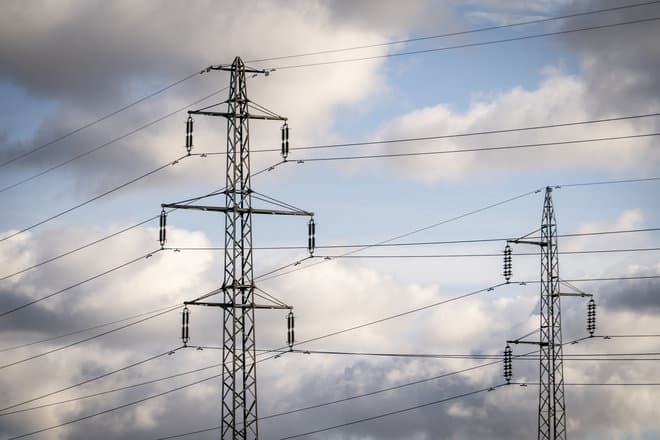
Energinet has been ordered by the Danish Electricity Authority to update and consolidate its methods for setting network tariffs so that they meet the transparency requirements of the EU Electricity Market Regulation. The Danish Electricity Authority writes.
The order concerns the methods used to set tariffs that are charged to Danish companies and households to cover Energinet's costs. According to the Authority, the methods must appear clear, distinct and comprehensive, so that customers have better insight into what they are paying for.
- Transparency regarding the tariff methods is necessary if Energinet's customers are to have insight into what the tariffs they pay for the company's services are used for, says Carsten Smidt, Director of the Danish Electricity Authority.
The case concerns the tariff method Division of the system operator's network pool, which came into effect on 1 January 2005 after approval from the then Danish Electricity Authority on 25 October 2004.
In the update, Energinet must remove obsolete parts and at the same time incorporate four methods that were previously approved by the Danish Electricity Authority: Division of tariff pools, Single electricity tariffs for Eastern and Western Denmark, Grid tariff for consumption connection at 132/150 kV and Grid tariff for TSO-connected consumption.
The Danish Electricity Authority initiated the supervisory case on 18 June 2025 based on an assessment that the method had not been continuously updated with relevant changes. Energinet has agreed with this assessment in a consultation response.
The update must be completed no later than 18 June 2026.
amp
Text, graphics, images, sound, and other content on this website are protected under copyright law. DK Medier reserves all rights to the content, including the right to exploit the content for the purpose of text and data mining, cf. Section 11b of the Copyright Act and Article 4 of the DSM Directive.
Customers with IP agreements/major customer agreements may only share Danish Offshore Industry articles internally for the purpose of handling specific cases. Sharing in connection with specific cases refers to journaling, archiving, or similar uses.
Customers with a personal subscription/login may not share Danish Offshore Industry articles with individuals who do not themselves have a personal subscription to Danish Offshore Industry.
Any deviation from the above requires written consent from DK Medier.