Prices rose slightly more in March than they did in February when compared to a year earlier. In March, the increase in the overall consumer price index was 1.2 percent compared to the same month the year before. This is what is also called inflation. In February, inflation was 0.7 percent. This is shown by figures from Statistics Denmark.
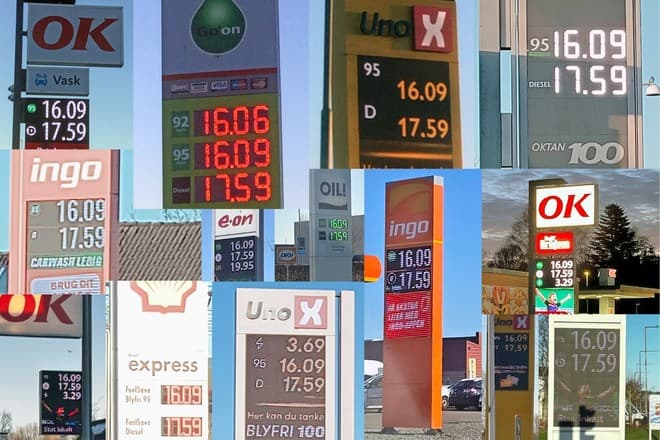
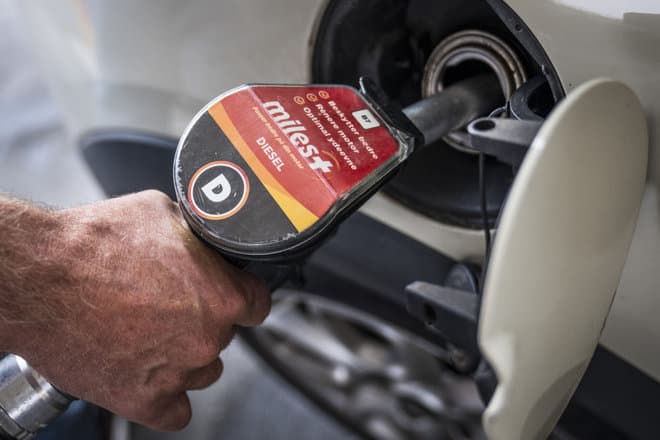
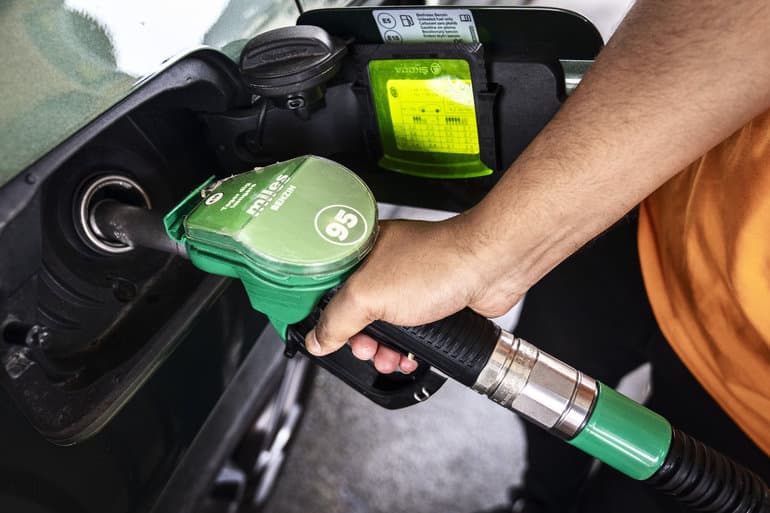
The increase comes after the war in Iran has caused the price of oil and thus the price of fuel to rise significantly. Statistics Denmark writes that the increase in March is primarily due to price increases within the main group transport. Here, it is particularly price increases for fuel that are causing inflation to rise.
Tore Stramer, chief economist at the Danish Business Association, points out that this is a noticeable increase.
- This is a significant increase in consumer price inflation, which is a direct consequence of the energy price shock that the war in Iran has triggered, he writes in a comment.
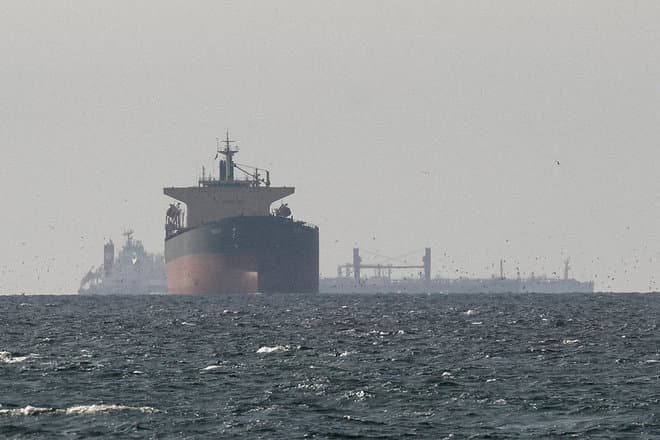
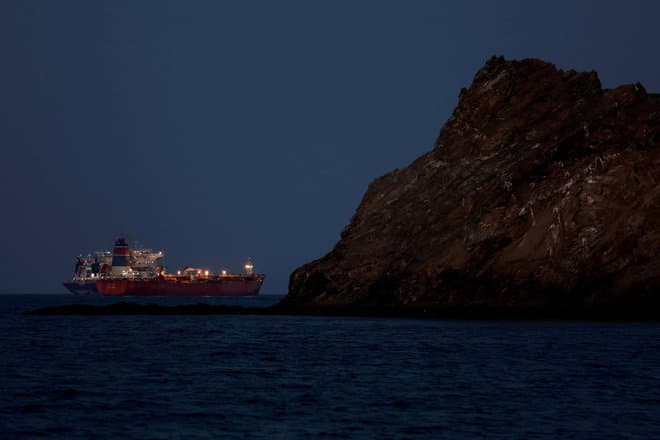
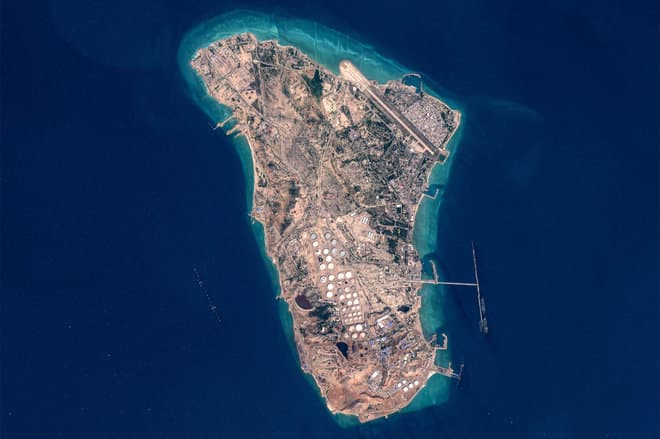
The US and Israel launched a series of attacks on Iran on February 28. Iran has responded by, among other things, attacking a number of Israeli and American targets in the region. In addition, Iran has largely blocked the Strait of Hormuz from traffic, which means that a fifth of the world's oil consumption does not come out of the Persian Gulf. This has caused the oil price to rise to over $100 per barrel of North Sea oil.
Inflation will be higher than expected
On Wednesday night, however, the US and Iran entered into a temporary ceasefire, which has caused the oil price to fall below $100 per barrel again. Immediately before the war, the price of a barrel of North Sea oil was around $70.
Tore Stramer points out that there is no longer any doubt that inflation will be higher than expected this year. Now the question is just how much higher, he says.
- Basically, we hope that a diplomatic negotiation path has now been laid that will re-establish shipping traffic through the Strait of Hormuz. In that scenario, oil prices will gradually fall from the current high levels, with the energy price shock ebbing away, he writes.
In that scenario, Tore Stramer and his colleagues at Dansk Erhverv expect their estimate for inflation to be raised from 1.0 percent to 1.8 percent.
/ritzau/
Text, graphics, images, sound, and other content on this website are protected under copyright law. DK Medier reserves all rights to the content, including the right to exploit the content for the purpose of text and data mining, cf. Section 11b of the Copyright Act and Article 4 of the DSM Directive.
Customers with IP agreements/major customer agreements may only share Danish Offshore Industry articles internally for the purpose of handling specific cases. Sharing in connection with specific cases refers to journaling, archiving, or similar uses.
Customers with a personal subscription/login may not share Danish Offshore Industry articles with individuals who do not themselves have a personal subscription to Danish Offshore Industry.
Any deviation from the above requires written consent from DK Medier.