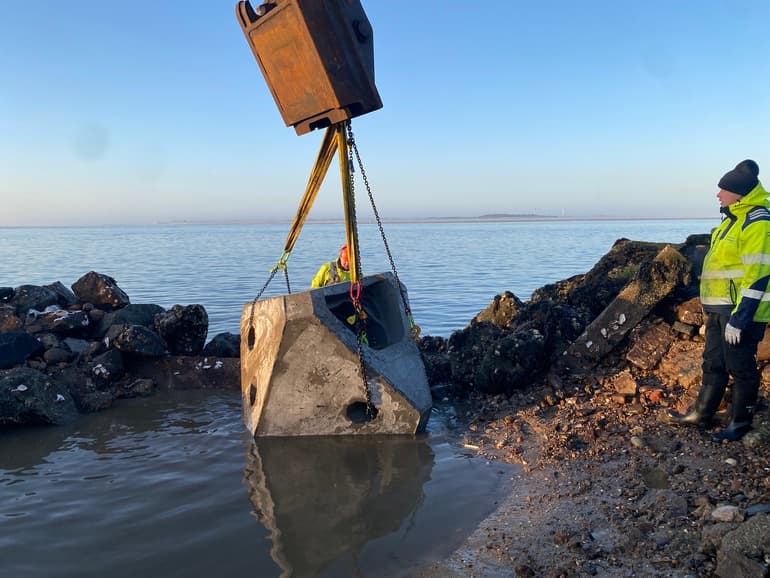
The Port of Esbjerg has initiated a project that combines coastal protection and port infrastructure with increased biodiversity by recycling sediment from dredging the port. Clay from the clean-up is included in the casting of so-called Coastalock™ units, which are also designed to create better living conditions for marine life.
The recycled clay replaces a significant part of the cement in the concrete mix and thus points to a broader development where port infrastructure must increasingly handle both climate risks, environmental requirements and local considerations in one overall solution.
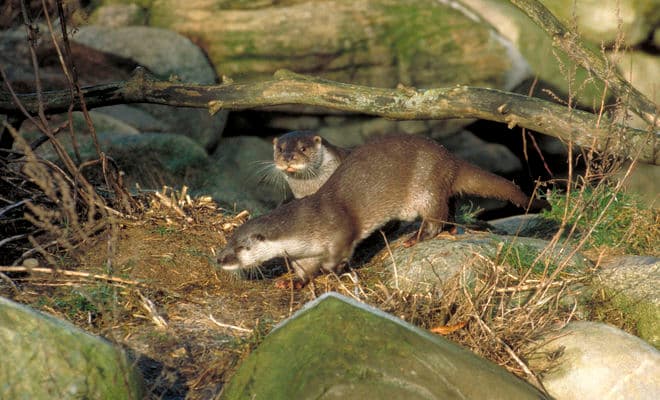
The project has been developed in collaboration with the company ECOncrete, which supplies design and additives for the concrete mix. The additives and a special surface structure are intended to promote the growth of, among other things, algae and mussels, which over time form a biological layer on the structures. At the same time, the use of clay reduces the need for cement and thus CO2 emissions in construction.
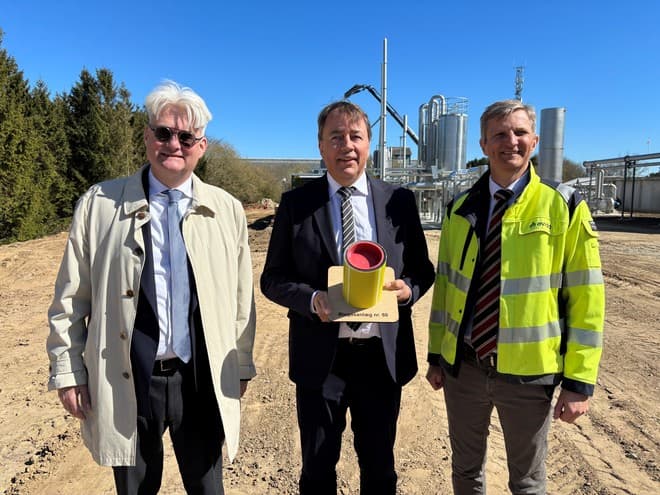
At Nordsøkaj in the Port of Esbjerg, six units have already been installed as the first phase. Here, researchers will now monitor the development of marine life around the structures. The next phase involves an upscaling, where several hundred units will be integrated into the port's infrastructure, while a monitoring program continuously collects data on the marine environment.
- When we can combine port infrastructure and coastal protection with a healthier marine environment by utilizing sediment from maintenance and dredging in the shipping channel and the port, there is potential that reaches far beyond Esbjerg, says Dennis Jul Pedersen, director of the Port of Esbjerg.
According to ECOncrete, the project is the first in Denmark where purified sediment from an active commercial port is directly included in new infrastructure with a documented effect on biodiversity. The technology has previously been used in around 50 projects internationally, including for breakwaters, quay walls and offshore wind foundations.
The project also comes at a time of increased political focus on both coastal protection and nature restoration. The government's upcoming climate adaptation plan and the EU's demand for increased biodiversity mean that solutions that combine infrastructure and environmental considerations are gaining increasing importance.
amp
Text, graphics, images, sound, and other content on this website are protected under copyright law. DK Medier reserves all rights to the content, including the right to exploit the content for the purpose of text and data mining, cf. Section 11b of the Copyright Act and Article 4 of the DSM Directive.
Customers with IP agreements/major customer agreements may only share Danish Offshore Industry articles internally for the purpose of handling specific cases. Sharing in connection with specific cases refers to journaling, archiving, or similar uses.
Customers with a personal subscription/login may not share Danish Offshore Industry articles with individuals who do not themselves have a personal subscription to Danish Offshore Industry.
Any deviation from the above requires written consent from DK Medier.