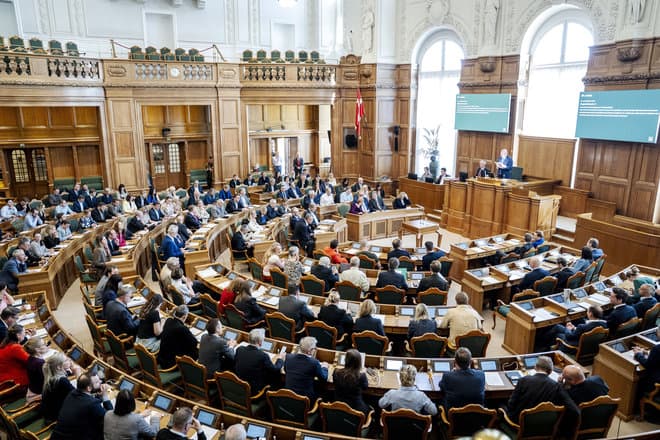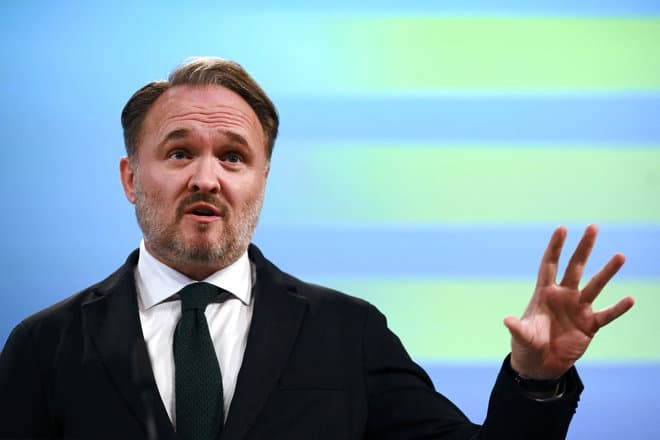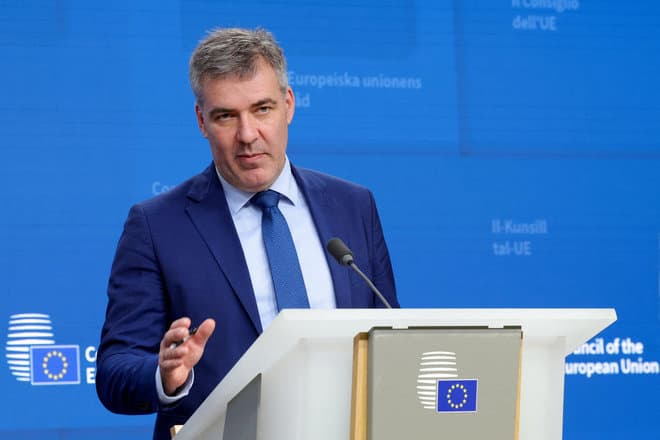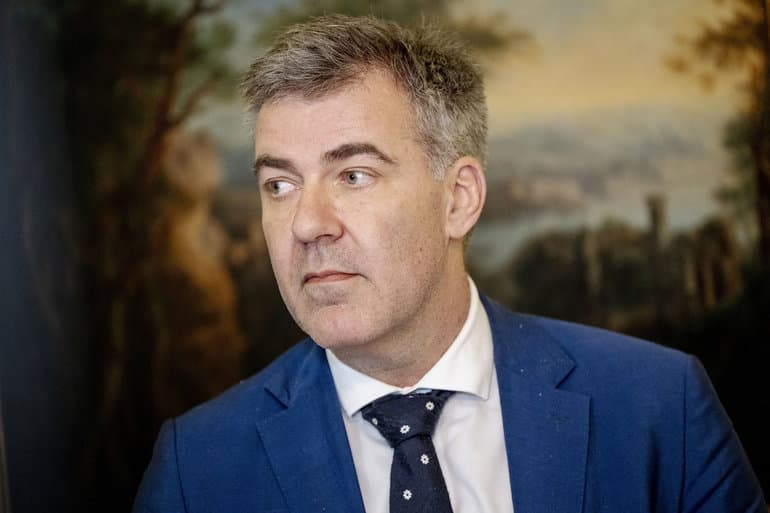
You cannot simply lift the 40-year-old ban on nuclear power in Danish energy planning without having thoroughly investigated both the risks and potential. That is why the government has decided to launch a study that will analyze the risks and potential of new nuclear power technologies. This is what Minister of Climate, Energy and Utilities Lars Aagaard (M) tells Politiken.
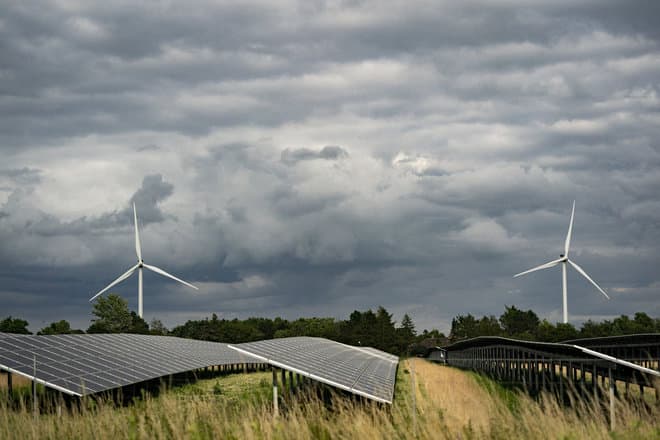
The minister says that the work will focus on nuclear power as a possible supplement to Danish energy policy, with solar and wind at the forefront. He imagines that the work process will last a year.
Nuclear power has long been outright banned in Denmark. Since 1985, there has been legislation against using the technology in Denmark's energy planning, and it is not permitted to connect energy from nuclear power to the Danish electricity grid.
Recently, however, the debate about nuclear power has shifted. Where decades ago it was about fear of radioactive disasters, the debate is now about the technology's profitability, pace and adaptation to the Danish energy system.
New tones from the Social Democrats
Last week, the ruling party, the Social Democrats, announced that they would investigate the possibilities and consequences of nuclear power in Denmark. This came after Prime Minister Mette Frederiksen (S) had said that they should look at relaxing the ban on nuclear power with open eyes. These were new tones from the Prime Minister, who has so far argued against the technology.
The Liberal Alliance has long argued for removing the ban and investigating whether nuclear power would be sensible in Denmark. Lars Aagaard emphasizes that many factors must be examined before one can talk about a possible lifting of the old ban.
- The right wing in Denmark talks about nuclear power as if it is a plug and play solution, and that there are no difficult choices involved, he tells Politiken.
He mentions, among other things, questions such as what to do with the waste, where will the fuel come from, and what is needed in terms of safety to carry out the task. These are precisely the things that the analysis should show.
/ritzau/
Text, graphics, images, sound, and other content on this website are protected under copyright law. DK Medier reserves all rights to the content, including the right to exploit the content for the purpose of text and data mining, cf. Section 11b of the Copyright Act and Article 4 of the DSM Directive.
Customers with IP agreements/major customer agreements may only share Danish Offshore Industry articles internally for the purpose of handling specific cases. Sharing in connection with specific cases refers to journaling, archiving, or similar uses.
Customers with a personal subscription/login may not share Danish Offshore Industry articles with individuals who do not themselves have a personal subscription to Danish Offshore Industry.
Any deviation from the above requires written consent from DK Medier.