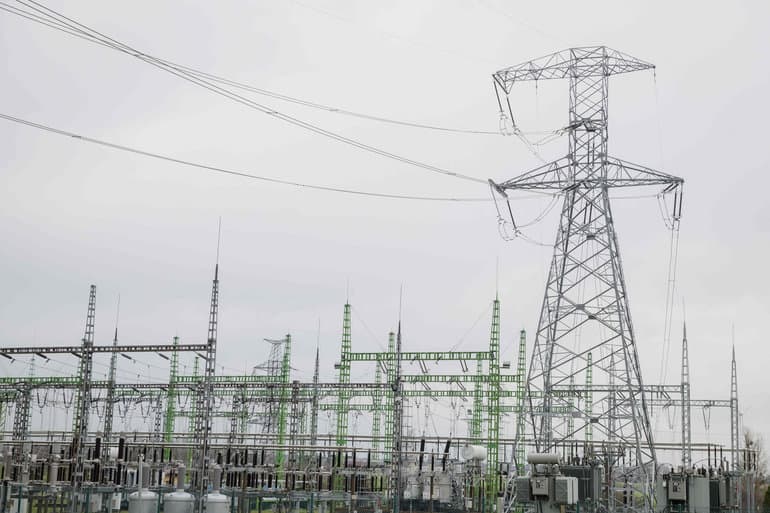
A large digital clock is counting down in the Lithuanian capital, Vilnius. It is counting down the hours until Lithuania, along with its Baltic friends Latvia and Estonia, disconnect from the Russian power grid on Saturday. It is a politically charged move that cuts the countries' Soviet-era energy ties to Russia. Instead, the Baltic states will become part of the Western European power grid.
- We are now removing Russia's ability to use the power grid as a tool for geopolitical blackmail, Lithuania's Energy Minister, Zygimantas Vaiciunas, told AFP.
Massive celebrations are planned across the countries on Saturday. For example, in Latvia they will physically cut a power line to Russia to mark the closed chapter.
Von der Leyen: A big step towards energy independence
The President of the European Commission, Ursula von der Leyen, is to participate in a ceremony with the leaders of the Baltic countries on Sunday.
- This is the last step in our fight for energy independence. We can finally take matters into our own hands, says Vaiciunas.
The Baltic countries were once Soviet republics. But today they are part of the EU and important members of NATO as border countries with Russia and Belarus. They have been preparing for years to be integrated into the European electricity grid. But technological and economic problems have stood in the way.
The transition to the European electricity grid became more urgent after Russia invaded Ukraine in February 2022. This frightened the Baltic states, who fear that they could be the next Russian target.
They stopped buying Russian gas and electricity after the invasion. But their electricity has continued to come via Russia and Belarus, and the supply has been controlled from Moscow.
Therefore, they have been dependent on Moscow for a stable electricity supply, which is crucial for, for example, factories to operate stably. But after Saturday, the three countries will control the supply themselves.
- So far, Russia has been able to use energy as a weapon. This has created a risk of disruptions driven by political decisions, says Vaiciunas.
Has required billions in investments
Estonia, Latvia and Lithuania will say goodbye to the Russian electricity grid at 6:00 a.m. on Saturday. After that, the three countries will go into so-called "isolated mode". This means that for about 24 hours they will carry out some tests that can assure Europe that they are ready to join the European electricity grid. After that, they will be integrated into the European electricity grid via Poland.
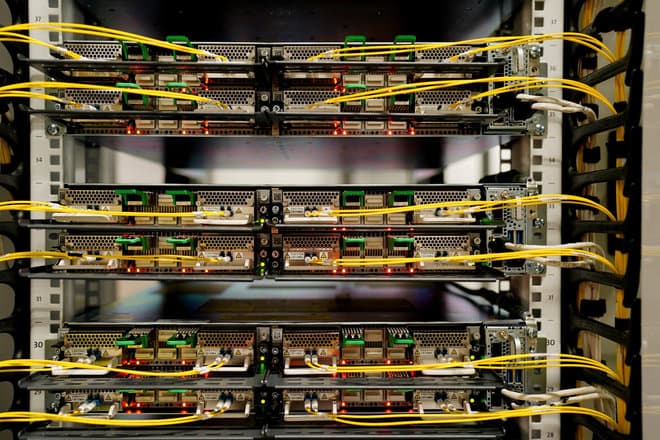
A total of 1.6 billion euros - 12 billion kroner - have been invested in the project across the Baltic countries and Poland. The hope is that the transition will be painless. But there is a risk of interruptions in connection with the switch, warns Lithuania's Security Board.
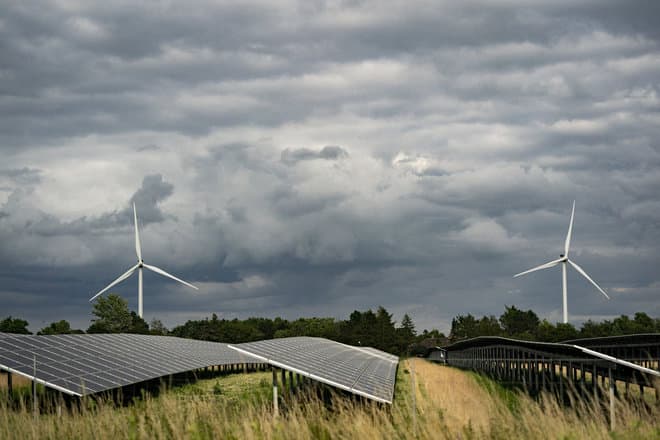
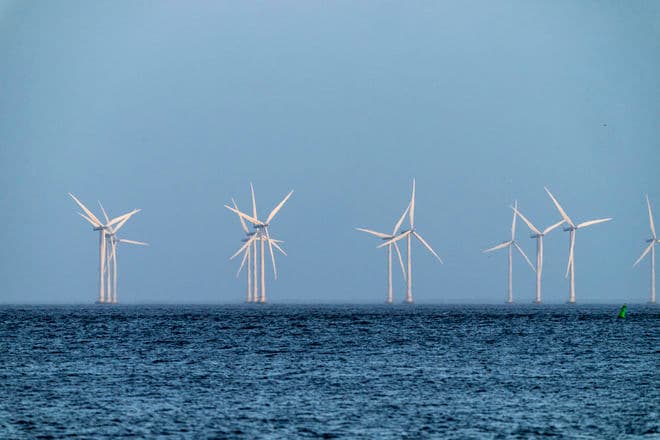
The Baltic countries are now planning to ramp up energy production themselves. Among other things, with offshore wind farms in the Baltic Sea. When the connection is cut, it will also mean that the Russian enclave of Kaliningrad, which is sandwiched between Poland and Lithuania, will lose its connection to Russia.
However, for the Russians in Kaliningrad, there is no reason to worry, assures the spokesman for the Russian presidential office Dmitry Peskov. The enclave has its own energy supply, it says.
/ritzau/AFP
Text, graphics, images, sound, and other content on this website are protected under copyright law. DK Medier reserves all rights to the content, including the right to exploit the content for the purpose of text and data mining, cf. Section 11b of the Copyright Act and Article 4 of the DSM Directive.
Customers with IP agreements/major customer agreements may only share Danish Offshore Industry articles internally for the purpose of handling specific cases. Sharing in connection with specific cases refers to journaling, archiving, or similar uses.
Customers with a personal subscription/login may not share Danish Offshore Industry articles with individuals who do not themselves have a personal subscription to Danish Offshore Industry.
Any deviation from the above requires written consent from DK Medier.