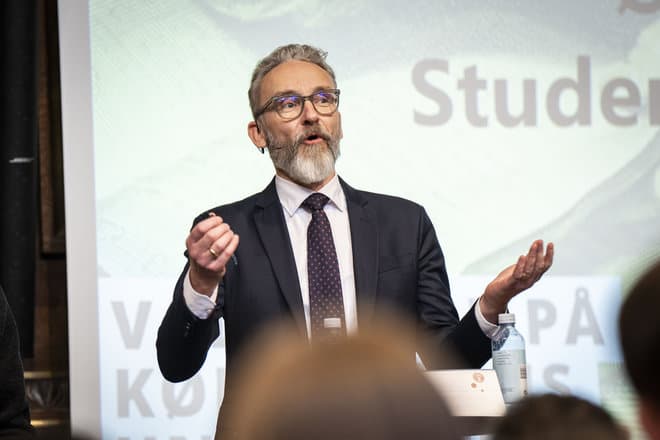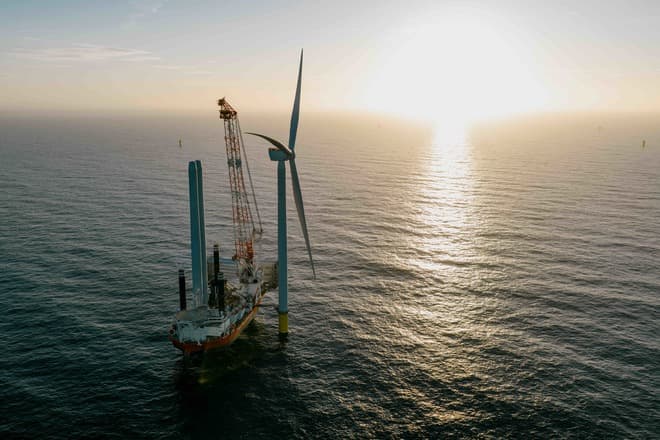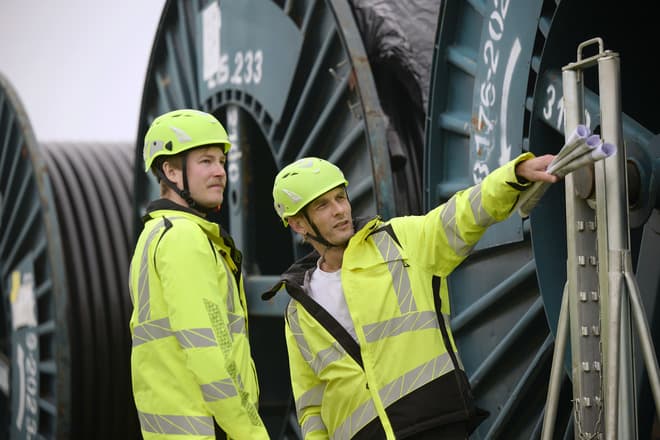



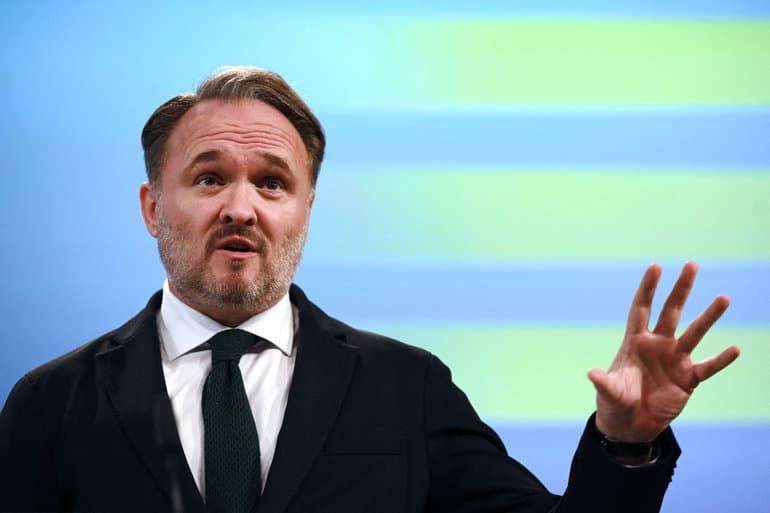
High energy bills have weighed on citizens and businesses since the war in Ukraine began in 2022. This, together with the desire for more green energy, is the reason why the European Commission on Wednesday presented proposals for a major upgrade of the energy infrastructure in Europe, says EU Commissioner for Energy and Housing Dan Jørgensen.
He expects the package to make Europe's energy cheaper and greener.
- We need more renewable energy - both to bring down energy prices and to import less fossil energy. But today Europe loses billions of kroner every year because our energy grids are not better connected. Green energy simply does not reach where it is needed most quickly enough, says the Danish commissioner.
In her annual opening speech in the European Parliament, the President of the European Commission, Ursula von Der Leyen, presented eight energy highways.
They are to meet the most urgent needs for energy infrastructure in Europe. The European Commission will now help EU countries accelerate these projects. And that also involves Denmark, says Dan Jørgensen.
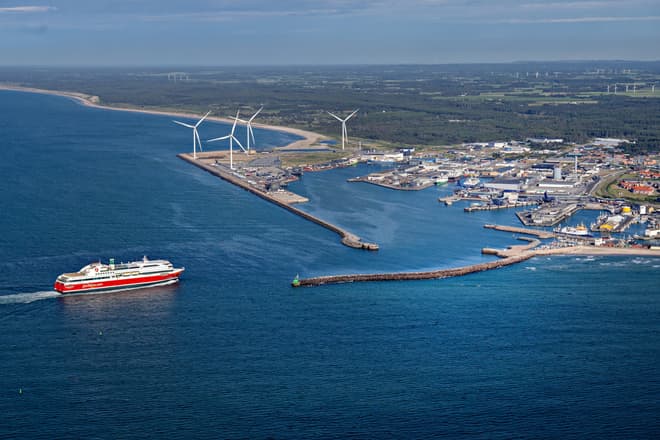
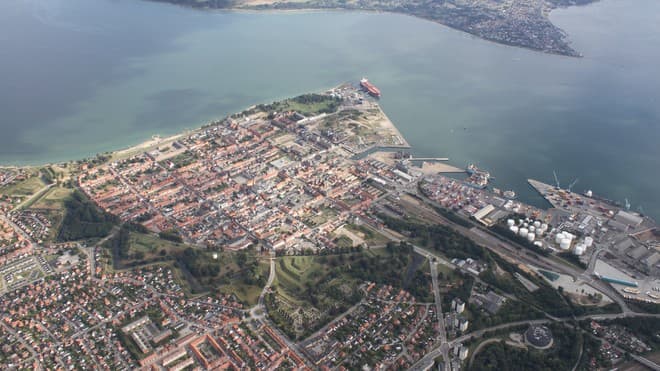
- One of the projects is the energy island of Bornholm, which will be a great advantage for both Denmark and Germany, but also for the rest of the countries around the Baltic Sea, says Dan Jørgensen.
Expecting major savings
The European Commission expects that Europe as a whole can save 40 billion euros per year if the EU countries' energy markets are better integrated. This corresponds to almost 300 billion kroner per year. In comparison, the EU Commission expects that it will cost around 335 billion kroner per year to help Ukraine.
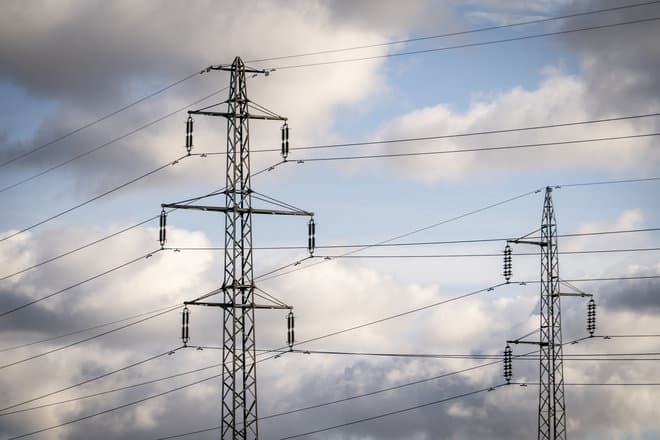
The major savings are due, among other things, to the fact that cheap energy can be moved more quickly via "energy highways" to the places in Europe where it is needed most.
- Europe must plan more as one unified energy union and not 27 separate systems, says Dan Jørgensen.
This is a showdown with the current approach, where member states report the projects. Now the process should be reversed, so that the EU identifies the places where the energy grid needs to be strengthened, says Dan Jørgensen.
- We are not expanding the energy infrastructure fast enough, says Dan Jørgensen.
He points out that it often takes more than ten years to implement projects, of which more than half of the time is spent obtaining permits for the project. According to Dan Jørgensen, in future, permits will be granted after a maximum of two years for most projects. And three years for the most complicated projects.
- Today, half of all projects that are to be completed by 2030 are delayed due to approvals. That is why we need faster approvals for both the energy grid, but also for wind turbines, solar cells and batteries, says Dan Jørgensen.
The aim of the plan is also to try to address the shortage of electricity, which according to the EU Commission risks becoming significantly worse in 2030.
/ritzau/
Text, graphics, images, sound, and other content on this website are protected under copyright law. DK Medier reserves all rights to the content, including the right to exploit the content for the purpose of text and data mining, cf. Section 11b of the Copyright Act and Article 4 of the DSM Directive.
Customers with IP agreements/major customer agreements may only share Danish Offshore Industry articles internally for the purpose of handling specific cases. Sharing in connection with specific cases refers to journaling, archiving, or similar uses.
Customers with a personal subscription/login may not share Danish Offshore Industry articles with individuals who do not themselves have a personal subscription to Danish Offshore Industry.
Any deviation from the above requires written consent from DK Medier.