Inflation has been fairly stable at around two percent since the summer, but in January it fell quite sharply. This is according to Statistics Denmark, which on Tuesday calculated the annual increase in consumer prices at 0.8 percent. This is 1.1 percentage points lower than in December, when it was 1.9 percent.
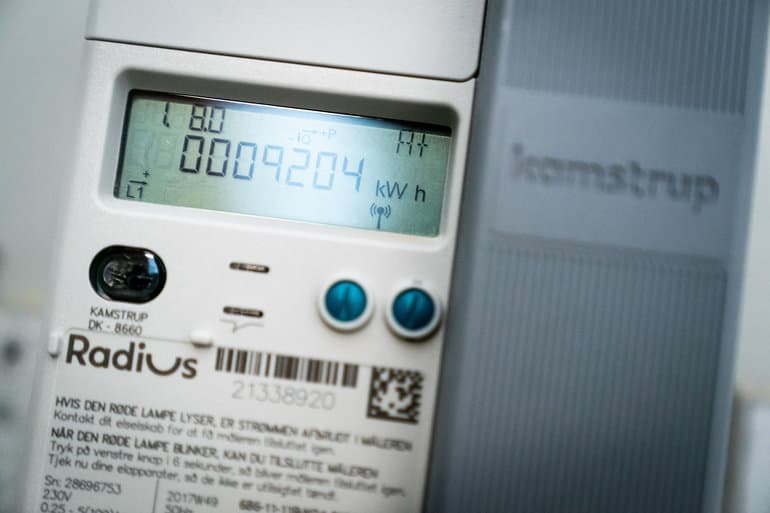
The reason is mainly the sharp reduction in the electricity tax, which fell from 72 øre per kilowatt-hour to 0.8 øre at the turn of the year. But also the elimination of taxes on coffee, chocolate and sweets is pulling the price trend downwards, points out Palle Sørensen, chief economist at Nykredit.
- To put today's inflation figures into perspective, inflation would have been 1.7 percent if we had had an unchanged VAT and tax policy, he writes in a comment on the figures.
While electricity prices were falling, food prices went the other way, having fallen 4.5 percent over the past five months. However, there is nothing unnatural about this, points out Allan Sørensen, chief economist at DI - Danish Industry.
- It is an annual recurring event with rising food prices in January, as the expired Christmas offers on meat and butter cause prices to return to a more normal level, he says.
In addition to the consumer price index, Statistics Denmark has also calculated the so-called core inflation, where prices for unprocessed raw materials and energy are removed from the equation. Core inflation in January was calculated at 1.9 percent on an annual basis, after it was 2.3 percent in December.
Danmarks Nationalbank does not have a specific target for where inflation should be in Denmark. However, by tying the krone to the euro, the bank ensures that inflation is roughly the same as in the eurozone countries. The European Central Bank has a target of two percent inflation in the medium term.
/ritzau/
Text, graphics, images, sound, and other content on this website are protected under copyright law. DK Medier reserves all rights to the content, including the right to exploit the content for the purpose of text and data mining, cf. Section 11b of the Copyright Act and Article 4 of the DSM Directive.
Customers with IP agreements/major customer agreements may only share Danish Offshore Industry articles internally for the purpose of handling specific cases. Sharing in connection with specific cases refers to journaling, archiving, or similar uses.
Customers with a personal subscription/login may not share Danish Offshore Industry articles with individuals who do not themselves have a personal subscription to Danish Offshore Industry.
Any deviation from the above requires written consent from DK Medier.