Ørsted and ATP will use modular construction to ensure the possibility of even larger energy islands
In the spring of 2021, Ørsted and ATP joined forces to develop a concept for the upcoming tender for an energy island in the Danish part of the North Sea.
On Thursday, the partnership, together with its partners Aarsleff, Bouygues Construction and Van Oord, presented the ideas behind their concept called 'North Sea Energy Island'.
"Ørsted + ATP and partners have the vision of building more than just an island. We want to create an island that is constantly evolving. A future-proof island, where there will be unlimited space for innovation and adaptation as the green transition develops," reads a press release.
Modular concept offers scope for expansion and can be established more quickly
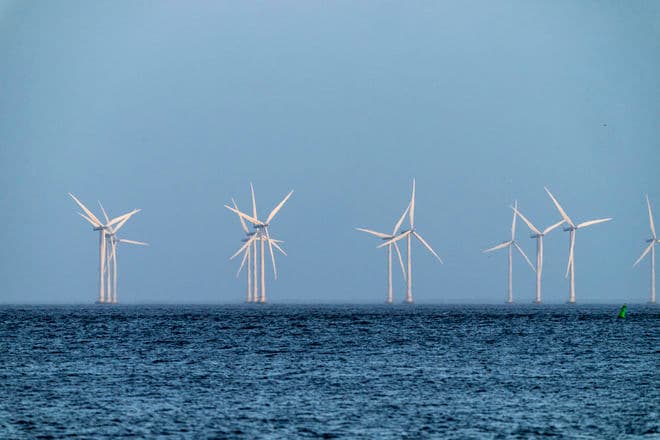
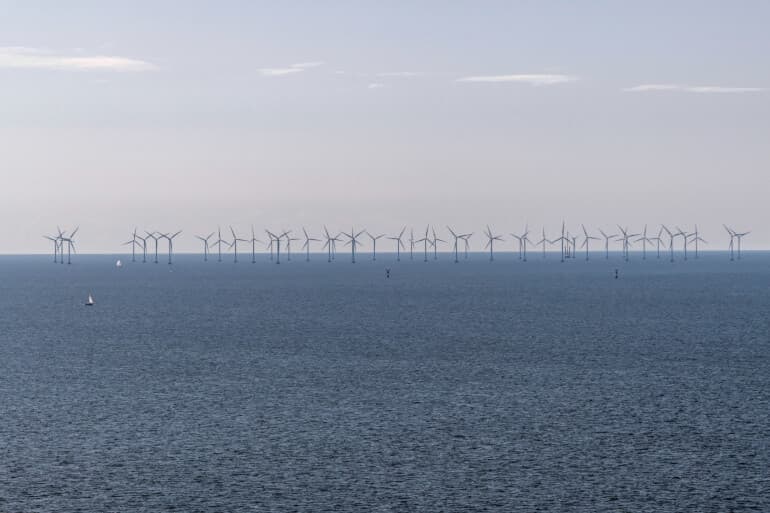
Specifically, 'North Sea Energy Island' will consist of a dammed island that will be expanded with flexible modules. The modular concept will make it possible to continuously expand the island to more than the Danish Parliament's current ambition of 10 GW of offshore wind. The concept can be adapted to accommodate developments in Power-to-X and other technologies in both 2030 and 2050.
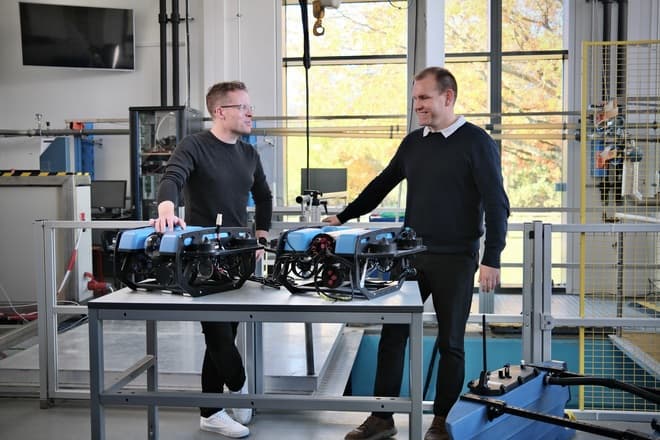
- With this concept, we have taken known technologies and construction methods and put them together in a new, intelligent and groundbreaking way adapted to the harsh environment of the North Sea. This means that we can give the Danes an energy island that can ensure an enormous scaling of offshore wind, which is ready for future needs from the start, says Jesper Kristian Jacobsen, CEO of Aarsleff, who leads the contractor consortium for the North Sea Energy Island.
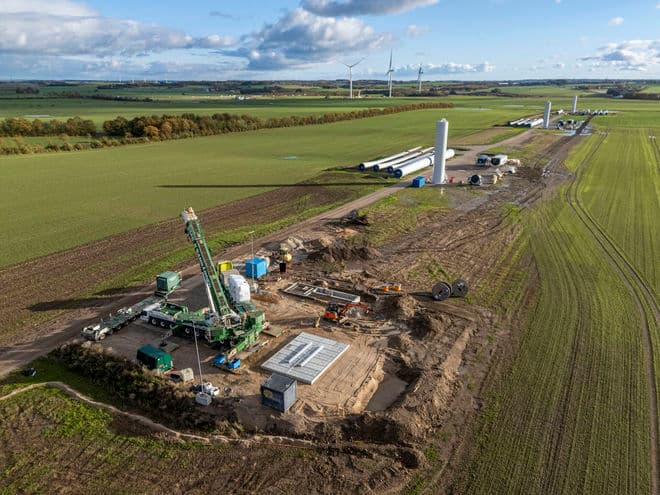
The modules for the 'North Sea Energy Island' will be built on land and can then be added and replaced as needed. The construction of the modules can take place at the same time as the construction of the dammed island and the offshore wind turbines are built at sea, which will provide major time savings in the construction phase, the argument is further advanced by the partners behind the bid, which you can see explained in more detail in the video at the bottom of the article.
Has previously been opposed to dammed islands
Ørsted has long stated that they wanted to be part of the establishment of Denmark's first energy island. But the fact that Ørsted's bid includes a dammed island must be said to be a forced plan b.
Before a broad political majority at Christiansborg in January 2021 decided to proceed with the plan, the company expressed concern about the technical challenges of building a new artificial energy island in the North Sea. Ørsted called the idea "risky business", and it was feared that it could become "the IC4 case of offshore wind".
Instead, Ørsted believed that it should build steel platforms at sea. However, Ørsted is expressing great faith in their concept with today's presentation.
- We believe that our modular concept provides the best conditions for the energy island to be relevant in both 2030 and 2050, and we look forward to the further dialogue with both authorities and decision-makers about the North Sea Energy Island, says Rasmus Errboe, Regional Director for Ørsted in Continental Europe.
Ørsted and ATP's bid is one of two partnerships that have so far expressed interest in bidding for the task of establishing the energy island in the North Sea. Copenhagen Industri Partners (CIP), PensionDanmark, PFA and Andel have also previously presented their bid called "VindØ".
Text, graphics, images, sound, and other content on this website are protected under copyright law. DK Medier reserves all rights to the content, including the right to exploit the content for the purpose of text and data mining, cf. Section 11b of the Copyright Act and Article 4 of the DSM Directive.
Customers with IP agreements/major customer agreements may only share Danish Offshore Industry articles internally for the purpose of handling specific cases. Sharing in connection with specific cases refers to journaling, archiving, or similar uses.
Customers with a personal subscription/login may not share Danish Offshore Industry articles with individuals who do not themselves have a personal subscription to Danish Offshore Industry.
Any deviation from the above requires written consent from DK Medier.