The price of gas has increased by 142 percent since August 2021. But for district heating customers, the situation is immediately much less critical. The price of district heating appears to remain relatively stable into 2023.
This is shown by a survey that the trade organization Dansk Fjernvarme has conducted among its members, which includes 360 Danish district heating companies. 237 of them have responded. Approximately 75 percent say that their customers can expect unchanged prices or a maximum of 10 percent increase.
- The average district heating customer should be happy. In places where the price is not raised or is only raised modestly, it is an expression that the companies have a lot of production sources available. This is what makes the district heating system so robust, says Rune Moesgaard, political director of Dansk Fjernvarme.
Depends on electricity and gas prices
However, there is a "but". The companies' budgets for 2023 are based on the current gas and electricity prices. If they change, the price for district heating customers may change.
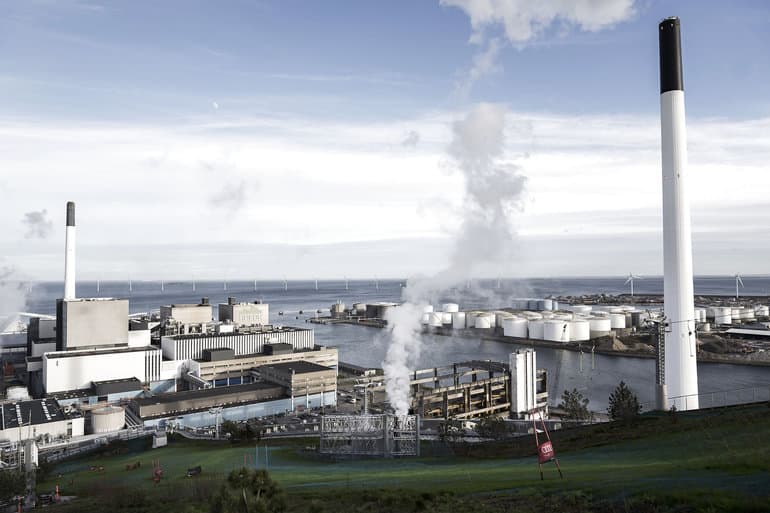
District heating is produced at combined heat and power plants and waste incineration plants, which also produce and sell electricity. Intervention in the electricity market can therefore affect the price.
- The money that the companies earn on the electricity market goes back to the district heating consumers and lowers the district heating price. If you choose to limit the earnings on the electricity market, it will be added to the district heating customers' price.
However, compared to the price increases on other heat sources, district heating customers are still in a luxury pocket. There is a very central reason for this.
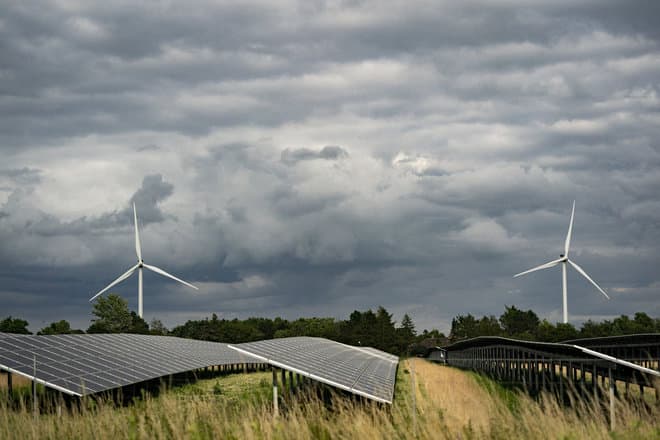
District heating is produced from, among other things, surplus heat from industry, electrically powered heat pumps and solar heat. And it does not have to be just one thing that is used at each plant.
However, not all district heating customers will be able to enjoy unchanged prices. One tenth of the companies included in the study expect an increase of between 31 and 40 percent. According to Rune Moesgaard, this is due to the price of biomass, which some companies use to produce district heating.
/ritzau/
Text, graphics, images, sound, and other content on this website are protected under copyright law. DK Medier reserves all rights to the content, including the right to exploit the content for the purpose of text and data mining, cf. Section 11b of the Copyright Act and Article 4 of the DSM Directive.
Customers with IP agreements/major customer agreements may only share Danish Offshore Industry articles internally for the purpose of handling specific cases. Sharing in connection with specific cases refers to journaling, archiving, or similar uses.
Customers with a personal subscription/login may not share Danish Offshore Industry articles with individuals who do not themselves have a personal subscription to Danish Offshore Industry.
Any deviation from the above requires written consent from DK Medier.