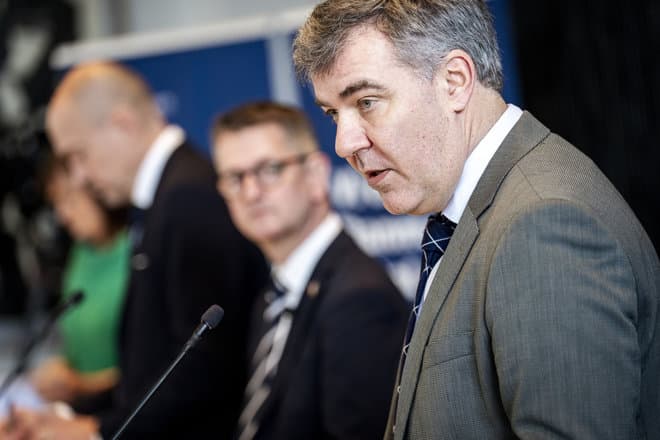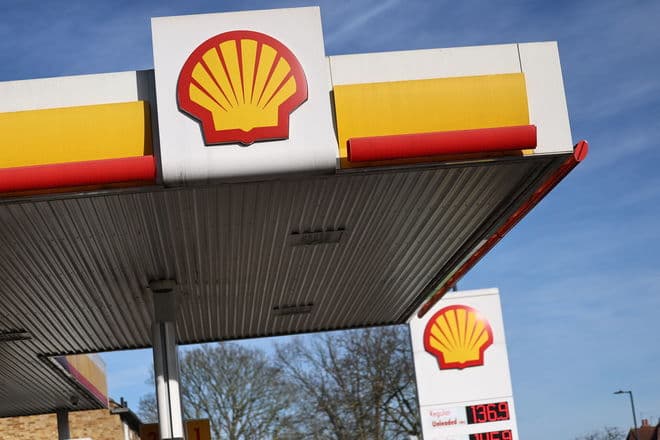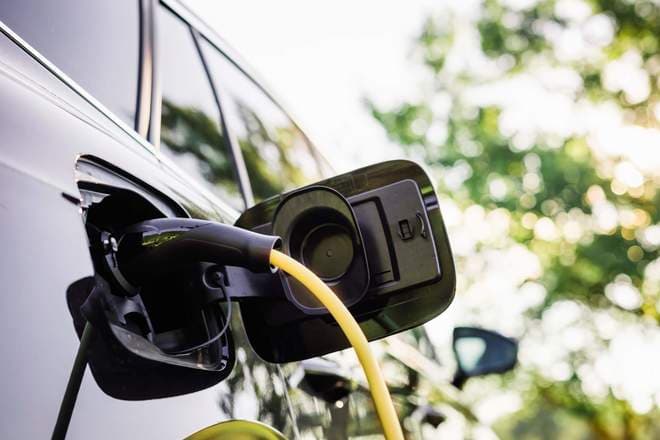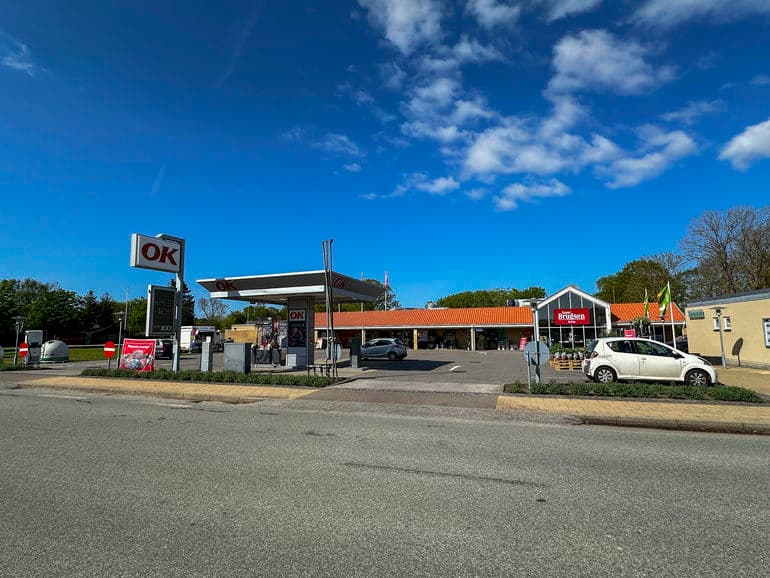
The electrification of the car fleet is putting pressure on OK's classic business with gasoline and diesel. According to CEO Michael Løve, the company is in the middle of a necessary but challenging transformation, where revenue will fall as customers switch from fossil fuels to electricity, because a liter of fuel is much more expensive than a kilowatt-hour of electricity. OK is a provider of energy products such as electricity, gasoline, diesel and natural gas. The company operates, among other things, 750 gas stations and almost 4,800 public charging stations for electric cars. This is reported by Finans.
- We don't want to end up like the video chain Blockbuster, which didn't see the market shift in time. Every krone that we earn on fuel, we invest in the transition to charging infrastructure and electric customers, says Michael Løve, CEO of OK.
The development is happening faster than expected. When Løve took office three and a half years ago, the forecast was that 29 percent of cars in 2030 would be electric. OK now expects the share to be around 50 percent. At the same time, electric cars already account for over 80 percent of new car sales, while the number of gasoline and diesel cars is falling significantly.
OK currently has over 250,000 electric customers and is upgrading with investments in charging parks and six new highway hubs worth over DKK 500 million. Here, electric charging, fuel and convenience stores will be brought together under one roof.
The transformation coincides with OK's ownership of Coop Danmark, which has tripled the group's revenue. For 2025, OK has previously predicted that the year as a whole will generate revenue of DKK 48-52 billion – compared to DKK 32 billion in 2024, when Coop Danmark was only included in half of the period. The expected result before tax is between DKK 600 million and DKK 1 billion – compared to DKK 1.6 billion the year before.
amp
Text, graphics, images, sound, and other content on this website are protected under copyright law. DK Medier reserves all rights to the content, including the right to exploit the content for the purpose of text and data mining, cf. Section 11b of the Copyright Act and Article 4 of the DSM Directive.
Customers with IP agreements/major customer agreements may only share Danish Offshore Industry articles internally for the purpose of handling specific cases. Sharing in connection with specific cases refers to journaling, archiving, or similar uses.
Customers with a personal subscription/login may not share Danish Offshore Industry articles with individuals who do not themselves have a personal subscription to Danish Offshore Industry.
Any deviation from the above requires written consent from DK Medier.