
A building with low energy efficiency consumes ten times as much energy as a building with a high energy label. In other words, there are major financial gains to be made on the energy bill by improving energy efficiency.
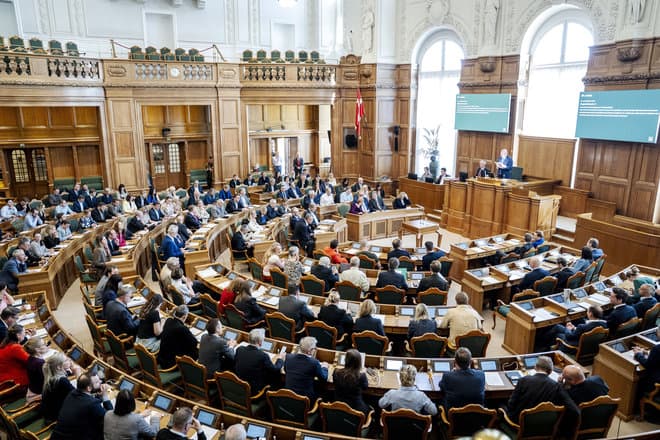
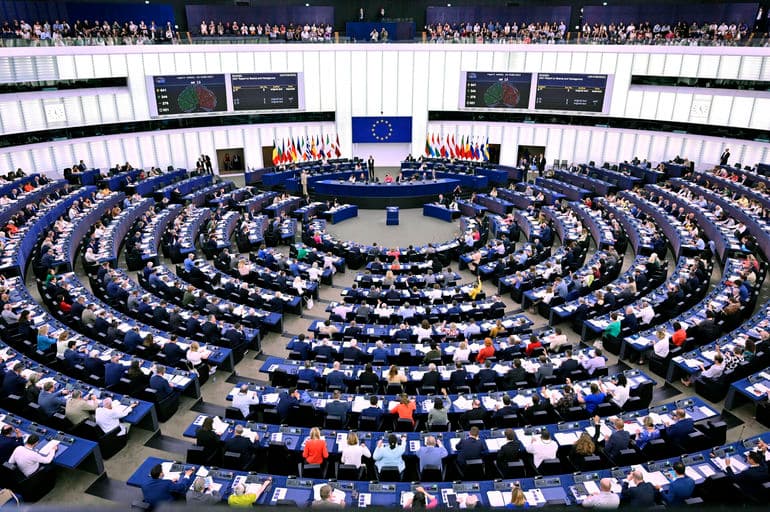
The EU will now try to reap that gain. With 370 votes in favor and 199 against, a new EU building directive was voted through by the European Parliament on Tuesday. The directive is intended to make the EU's building stock more energy efficient and thus reduce the climate impact. There are requirements for energy renovations and savings in both homes, public buildings and commercial buildings.
The new directive also sets an end date for individual heating with oil and gas. This must happen no later than 2040. In addition, subsidies for oil and gas boilers must end from 2025.
A brand new analysis from the consultancy Guidehouse shows that the directive can ease the demand for energy so much that the EU can become completely free of Russian gas. At the same time, EU citizens' gas bills can be reduced by more than 80 billion DKK per year.
With the directive, there is now a prospect of significantly lower energy consumption in buildings, which account for a full 40 percent of energy consumption and 36 percent of energy-related greenhouse gas emissions in the EU.
- With the Buildings Directive, we can kill two birds with one stone. We can meet our goal of a climate-neutral Europe by 2050, and we can stop paying for Putin's war in Ukraine. The Buildings Directive is perhaps the tool that can reduce Europe's gas consumption fastest and most effectively. I urge the member states to give the Buildings Directive a very high priority and to implement what we have adopted as quickly as possible, says Morten Helveg Petersen, member of the European Parliament for the Danish Social Democrats and the Renew Europe group's negotiator on the Buildings Directive, in a press release.
Praise from organisations
The chairman of the board of the interest organisation Synergis, Bendt Bendtsen, was the EU Parliament's chief negotiator for the latest revision of the Buildings Directive in 2018. He is satisfied with the result of the vote and the directive, even though the level of ambition has gradually been lowered during the years-long negotiation process.
- It is very positive that we have now finally got the Buildings Directive through the EU Parliament - and in a good constitution. There are specific requirements for the worst commercial and public buildings. And important targets have been set for energy efficiency in the housing stock, says Bendt Bendtsen.
Synergi is working to ensure that Denmark reduces its energy waste – in industry, in public and public buildings and in Danish homes. But also a major voice for industry, the business organization Danish Industry (DI), praises the agreement in the EU.
- The time has come to act proactively. The new requirements do not only cover private buildings, but also extend to public buildings such as schools, libraries and office buildings, which have enormous potential for energy efficiency improvements. We are therefore faced with a huge task, so it is important that we get started as soon as possible, says Anders Stouge, deputy director of the Confederation of Danish Industry.
He also sees more opportunities for Danish companies as a result of the new directive.
- Some of the world's best companies within insulation, low-energy windows and advanced technical solutions that make energy consumption lower and more flexible, live in Denmark. They play a key role in ensuring that the whole of Europe reaches its goal, he says.
The EU Council of Ministers is expected to finally vote on the Buildings Directive in April, after which the member states will begin implementing the directive.
The Buildings Directive and energy efficiency in the EU
The directive means, among other things, that:
- The total housing stock must reduce energy consumption by 16 percent per m2 on average in 2030 and by 20-22 percent per m2 in 2035.
- The poorest 16 percent of the building stock (housing not included) must improve the energy standard by 2030 and 26 percent by 2035. by 2033. In Denmark, this corresponds to the fact that most F- and G-labeled buildings must be improved by 2030. And that approximately half of the E-labeled buildings must also be upgraded by 2033.
- Fossil fuels must be phased out of individual heating by 2040 at the latest. Subsidies for oil and gas boilers must also end from 2025.
Source: Synergi
Text, graphics, images, sound, and other content on this website are protected under copyright law. DK Medier reserves all rights to the content, including the right to exploit the content for the purpose of text and data mining, cf. Section 11b of the Copyright Act and Article 4 of the DSM Directive.
Customers with IP agreements/major customer agreements may only share Danish Offshore Industry articles internally for the purpose of handling specific cases. Sharing in connection with specific cases refers to journaling, archiving, or similar uses.
Customers with a personal subscription/login may not share Danish Offshore Industry articles with individuals who do not themselves have a personal subscription to Danish Offshore Industry.
Any deviation from the above requires written consent from DK Medier.