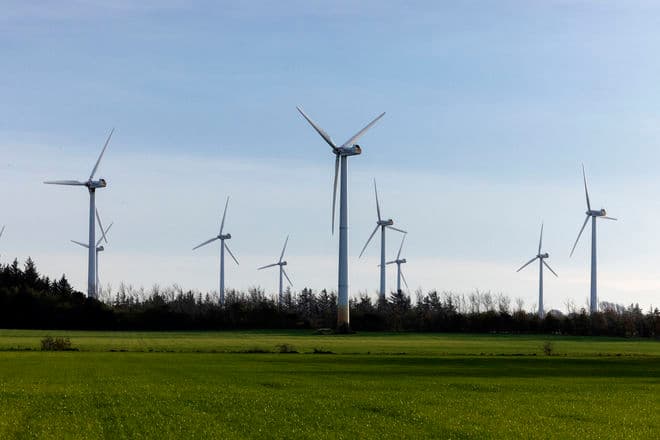
A document access that The Engineer has received, in internal documents from the Climate, Energy and Ministry of Supply and the Ministry of Defence, shows that the planned offshore wind farms at Energiø Bornholm could disrupt the Defence's radar surveillance at sea and in the air and trigger new costs for so-called mitigation measures. This has emerged while Denmark and Germany are negotiating the distribution of costs for the project.
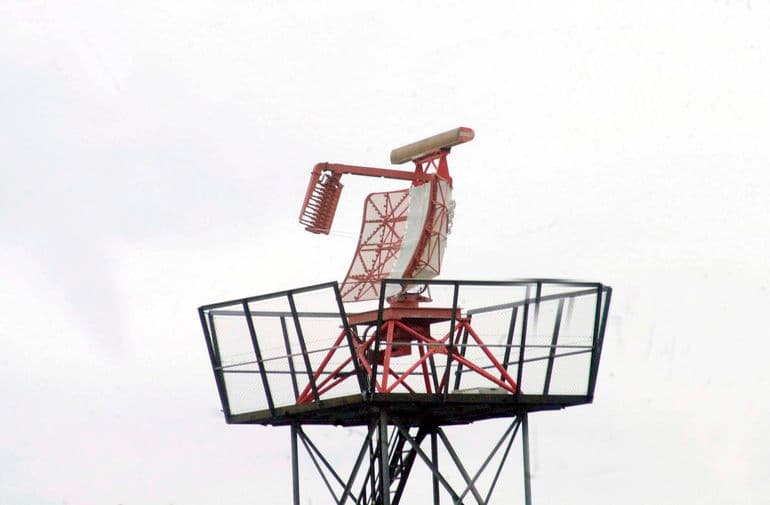
Bornholm plays a central role in airspace surveillance over the Baltic Sea, and it appears from the access to documents that the Ministry of Defence has informed the Ministry of Climate, Energy and Supply that the establishment of Energiø Bornholm will have a significantly negative impact on the radar systems. This may result in the need for new radars or changed setups to compensate for lost coverage.
However, information about the specific calculations and the total financing requirement has been exempted from access to documents by the authorities with reference to regulations on ministerial services and considerations for the kingdom's defense. But the problem is not new. In connection with the offshore wind tenders in the North Sea and Kattegat, the costs of handling radar interference were previously estimated at between 110 and 150 million. DKK, while it was assessed that the bill could be higher depending on the specific solutions.
It appears from the access to documents that the possible costs for mitigation measures are not part of the latest overall calculation of the Bornholm Energy Island from 2023, where the project economy was 31.5 billion. DKK. During the same period, the price of cables for the connections to Zealand and Germany has increased by more than 8 billion. DKK, without the overall economy having been recalculated. The ministries' internal dialogue thus shows that, all else being equal, the omission of the costs for mitigation measures further increases the total financing requirement for Energiø Bornholm.
The Ministry of Climate, Energy and Utilities states in a written comment to Ingeniøren that negotiations are continuing with Germany on a new cost sharing for offshore wind for Energiø Bornholm, and that mitigation measures are included as a cost element in the current negotiations. Therefore, the ministry will not comment on estimates or financing at this time.
amp