The number of plants providing ancillary services to the Danish electricity grid reached a record level in 2025. Energinet approved a total of 744 plants that can help balance the electricity grid when production and consumption do not match. This is stated by Energinet in a press release.
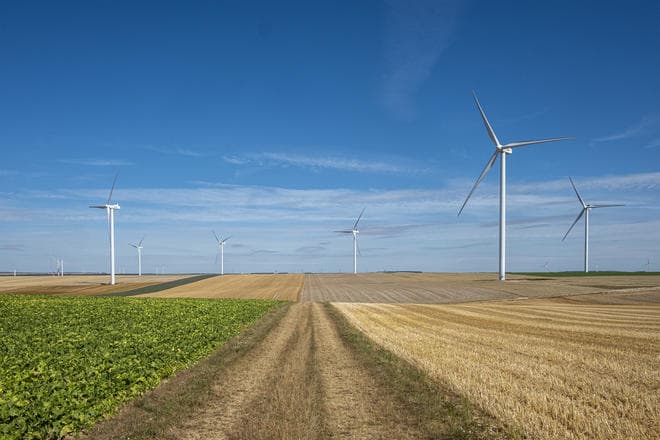
The development is related to the fact that an increasingly large part of electricity production comes from solar and wind, which increases the need for flexible regulation of the electricity grid. According to Energinet, in 2023, there was typically about two weeks between each application to provide ancillary services, while in 2025, an average of more than two plants per day were approved. Overall, the number of approved plants has increased 19 times over the period - an increase that Energinet itself calls "gigantic" in the announcement.
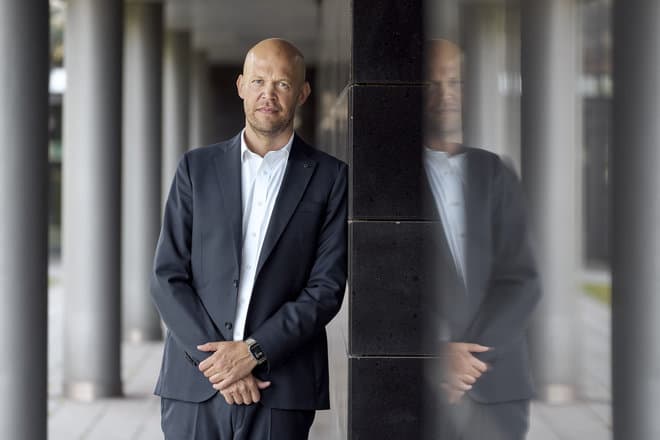
- Energinet has experienced a rapid development in the number of plants that will be approved to provide ancillary services to balance the electricity grid. In fact, we have seen a 19-fold increase from 2023 to 2025. It is good for the green transition that so many different players are bidding on the ancillary services market. Most recently, before Christmas, we also added a hydrogen plant to the portfolio, says Thomas Dalgas Fechtenburg, head of Energinet's Systemydelsen.
Power plants and electric boilers have traditionally made up a large part of the plants that provide system services, and continue to play a significant role. At the same time, new players have joined, including batteries, electric cars via charging operators, and flexible electricity consumers such as horticultural farms, industrial plants, and an ice rink. Before Christmas 2025, an Everfuels Hysynergi in Fredericia provided balancing for the first time by turning down the production of hydrogen when there was a lack of electricity in the grid.
- The more players that offer system services, the more competition there will be. And this helps to reduce Energinet's costs, and ultimately also the bill for electricity consumers, because the system tariff will be lower, says Thomas Dalgas Fechtenburg.
In line with developments, Energinet has expanded its staff in the area and invested in automating the approval process. In 2025, Energinet spent around DKK 2 billion on system services for balancing the electricity grid.
amp