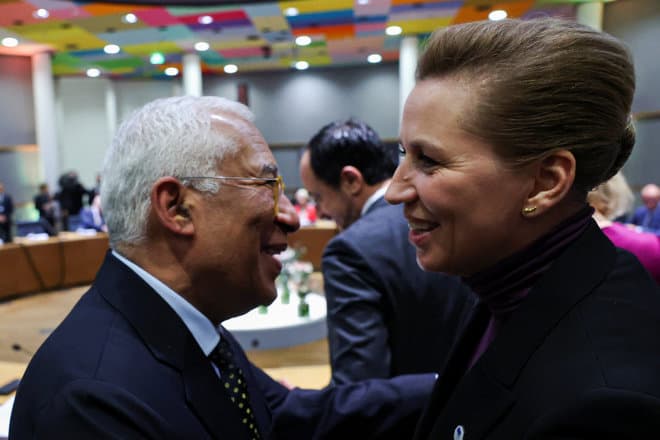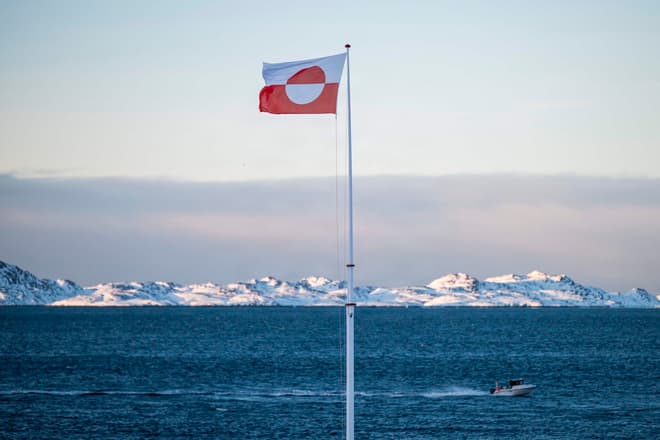
While Prime Minister Mette Frederiksen (S) has put a possible migration flow from the Middle East on the agenda for the EU summit, several EU leaders would rather talk about high energy prices.
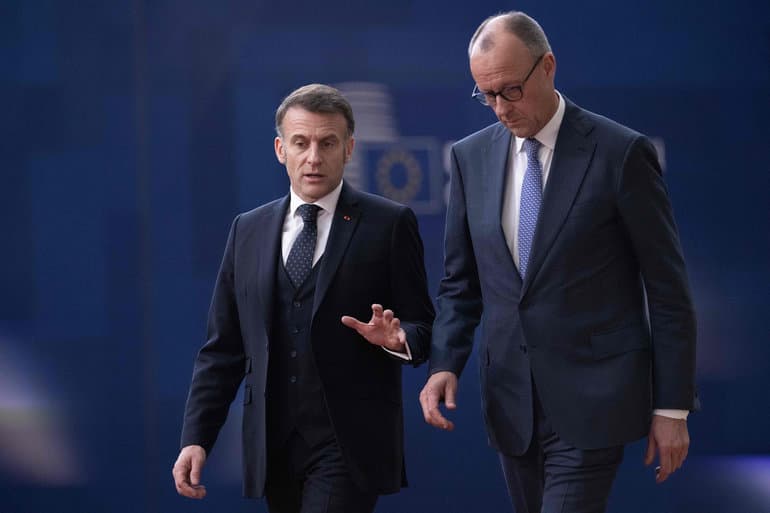
On the way to the summit, French President Emmanuel Macron warned of "reckless escalation" in the conflict, where civilian infrastructure is now also being destroyed.
The announcement comes after Israel, according to Reuters, attacked Iranian gas facilities, while Iran has sent drones against oil and gas facilities in Qatar, Kuwait and Saudi Arabia.
- The attacks hit gas and oil, but also water supplies, says Macron, who calls on the parties to de-escalate.
Iran has also closed the Strait of Hormuz, which has caused oil and gas prices to skyrocket in Europe. For Belgian Prime Minister Bart De Wever, there is no doubt that energy prices should be the top priority for the EU summit.
- Energy prices were already the absolute top priority on Belgium's and - I think - Europe's agenda before the war in the Middle East. And it has only become even more urgent after the events we have seen in the Middle East, says Bart De Wever.
Highest oil price since Russian invasion of Ukraine
The announcements come as the price of a barrel of oil has reached over $114. A level not seen since Russia's invasion of Ukraine.
At the same time, according to Reuters, European gas prices have increased by more than 60 percent since the outbreak of the war on February 28. The problem is that there are few solutions for EU leaders to choose from.
The EU Commission will not open up for the far-reaching emergency measures from the time after Russia's invasion of Ukraine.
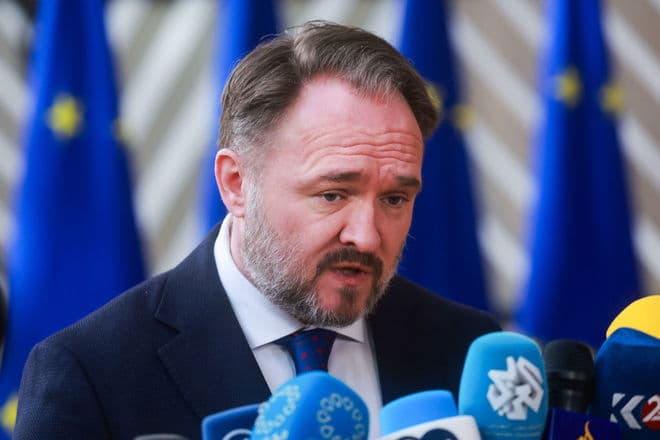
According to EU Commissioner for Energy and Housing Dan Jørgensen, this is only a "price crisis" and not a "supply crisis". In other words, there is no shortage of energy for European households and companies. The only problem is how to bring prices down.
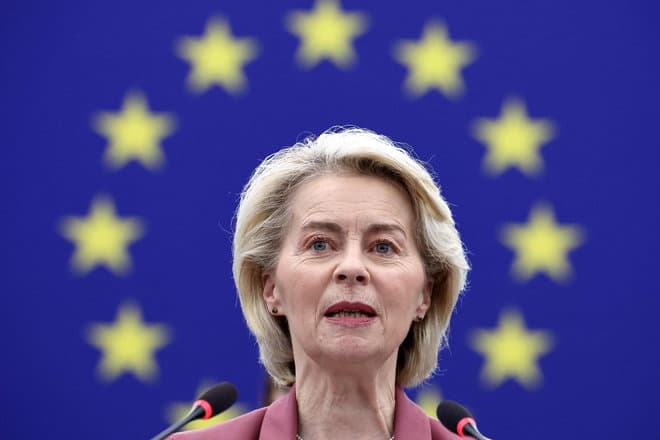
Here, the President of the EU Commission, Ursula von der Leyen, has opened up for EU countries to provide increased state support to vulnerable citizens and companies for a period of time. At the same time, EU countries are being urged to lower their own energy taxes.
Mette Frederiksen: We cannot continue to be dependent on Russia and the Middle East
A path that the Danish government has pursued by lowering the electricity tax, says Prime Minister Mette Frederiksen (S). She is also urging Europe to continue working to make itself independent of oil and gas from Russia and the Middle East.
- If anyone has had any doubts that it is important for Europe to be able to produce its own energy and thus become self-sufficient, I hope that those doubts have been put to shame. We cannot continue to be dependent on first Russia and then the Middle East when it comes to energy. European independence is the most important thing, says Mette Frederiksen.
At the same time, the leaders are divided on the emissions trading scheme ETS. It obliges power plants and industry to buy quotas to cover CO2 emissions. Ten EU countries have demanded sweeping changes to the ETS, including more free CO2 quotas for industry.
This could help lower the price of energy, they believe. Other countries such as Spain and the Netherlands say flatly no because it would affect the climate:
- We will not repeal policies that are ultimately crucial to ensuring that this continent becomes greener and stronger in the long term, said Dutch Prime Minister Rob Jetten, according to Reuters on the way to the meeting.
/ritzau/
Text, graphics, images, sound, and other content on this website are protected under copyright law. DK Medier reserves all rights to the content, including the right to exploit the content for the purpose of text and data mining, cf. Section 11b of the Copyright Act and Article 4 of the DSM Directive.
Customers with IP agreements/major customer agreements may only share Danish Offshore Industry articles internally for the purpose of handling specific cases. Sharing in connection with specific cases refers to journaling, archiving, or similar uses.
Customers with a personal subscription/login may not share Danish Offshore Industry articles with individuals who do not themselves have a personal subscription to Danish Offshore Industry.
Any deviation from the above requires written consent from DK Medier.