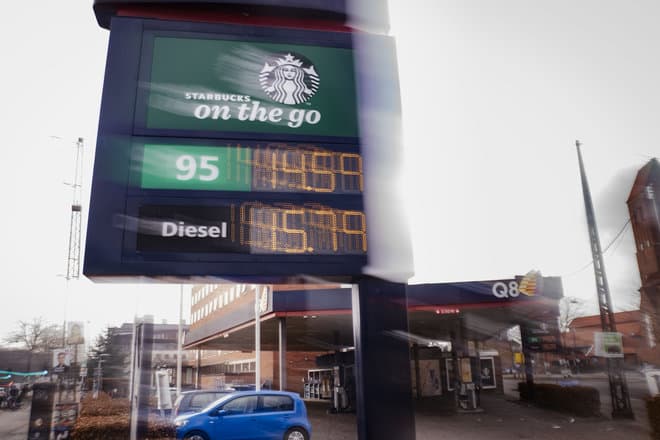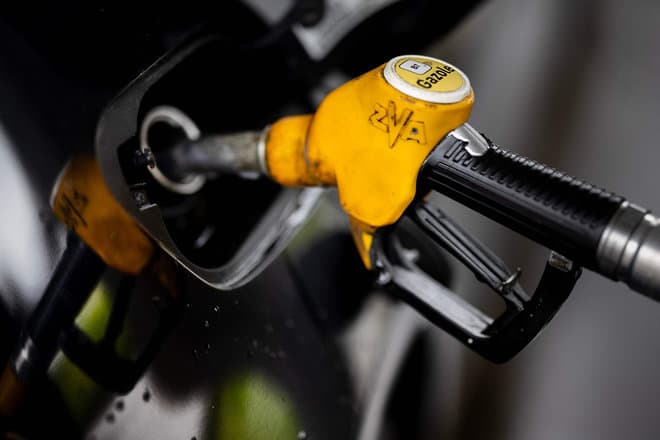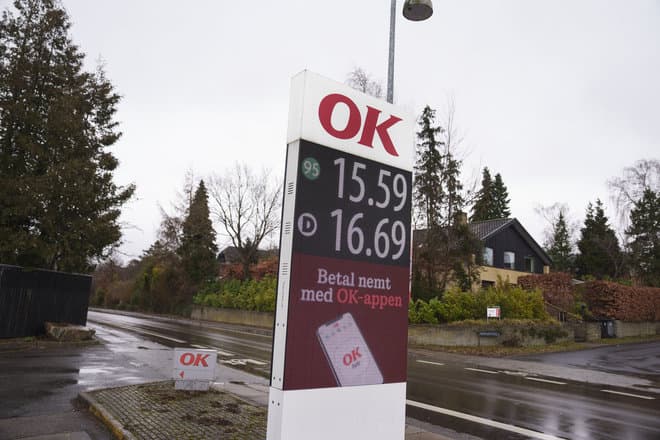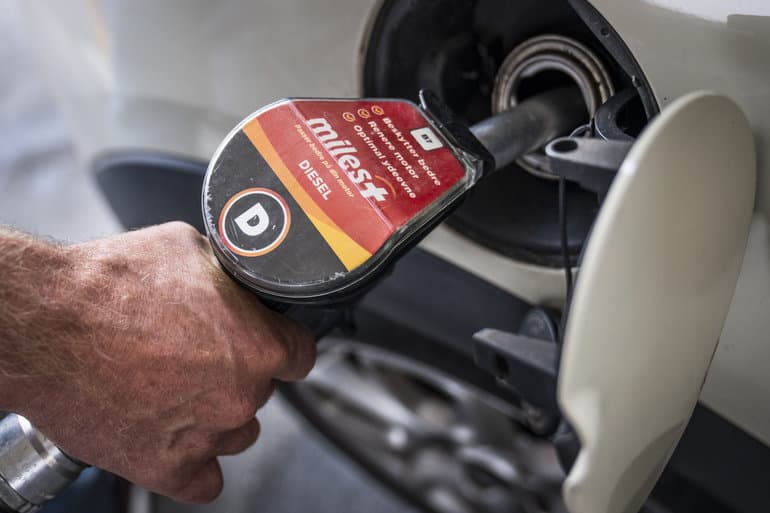
The high prices at the country's gas stations may be a sign of difficult times for the country's economy. But they may also be a passing phenomenon.
At the time of writing, it is quite unpredictable how the energy crisis, triggered by the US and Israel's attack on Iran, will affect Danes' wallets in the long term. This is according to Tore Stramer, chief economist at the Danish Business Association.
- The crisis we are in is very unpredictable and could end in anything from the oil crisis we saw in the 1970s to a geopolitical crisis that will end before it has a major impact on Danes' private finances. The margin of error is very large, he says.
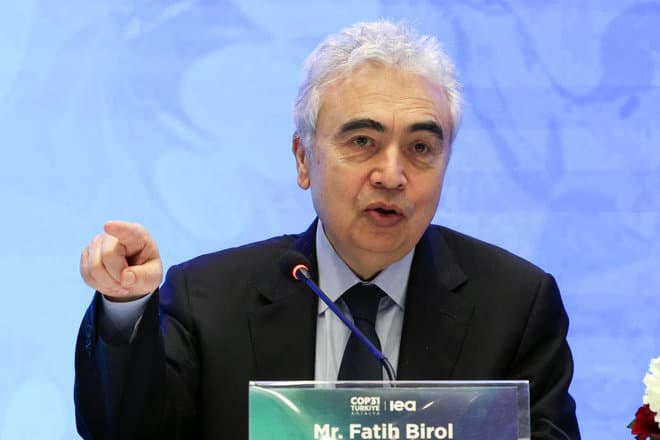
On Monday, the director of the International Energy Agency (IEA), Fatih Birol, warned that the world could face the worst energy crisis in decades.
- Many of us remember the two oil crises in the 1970s. At that time, the world lost about five million barrels a day in each crisis, the IEA director said. To date, we have lost 11 million barrels a day, so that is more than the two major oil crises combined, he added.
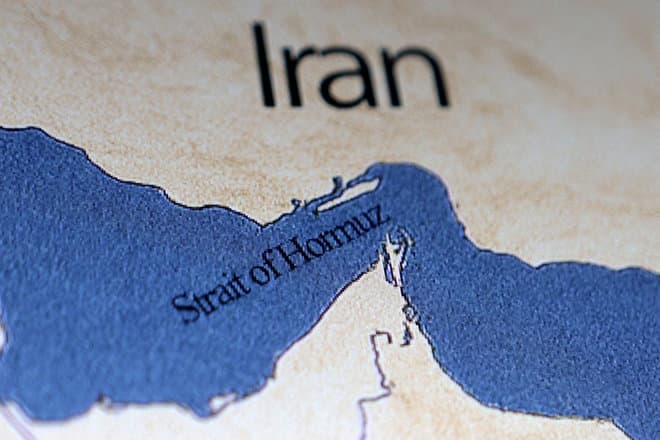
Because of the war, Iran has closed the Strait of Hormuz to virtually all shipping traffic. The Strait of Hormuz lies between Iran and Oman and is a strategic bottleneck for about a fifth of the world's oil and liquefied natural gas. Oil and gas prices have therefore risen worldwide.
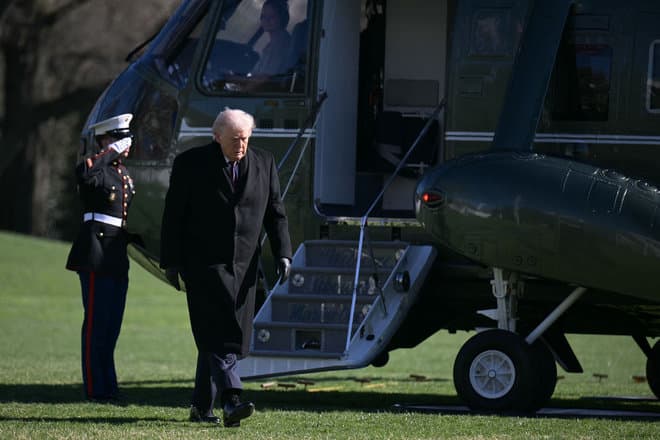
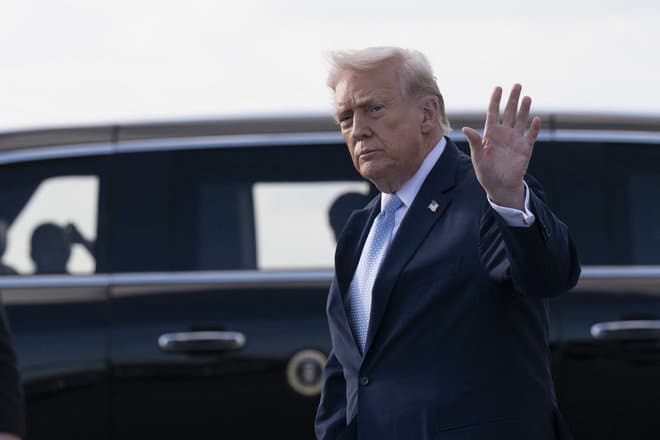
On Monday, US President Donald Trump wrote on his social media account Truth Social that he would postpone previously announced US attacks on Iran's oil facilities for five days.
He also wrote that the US and Iran have had "very good and productive talks" over the past two days about a "complete and total resolution of our hostilities in the Middle East".
According to Iranian media, however, there are no negotiations underway between the US and Iran. And this is precisely an example of the unpredictability that characterizes the situation right now, says Tore Stramer.
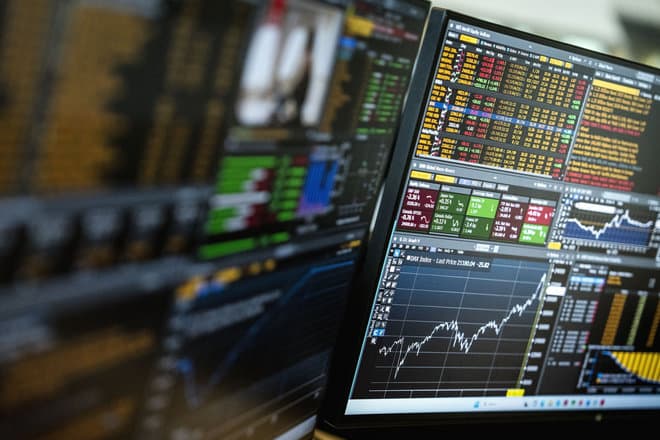
- Every small positive or negative announcement has a major impact on developments when it comes to oil prices, the stock market and interest rates, he says.
Energy analyst does not fear 1970s conditions
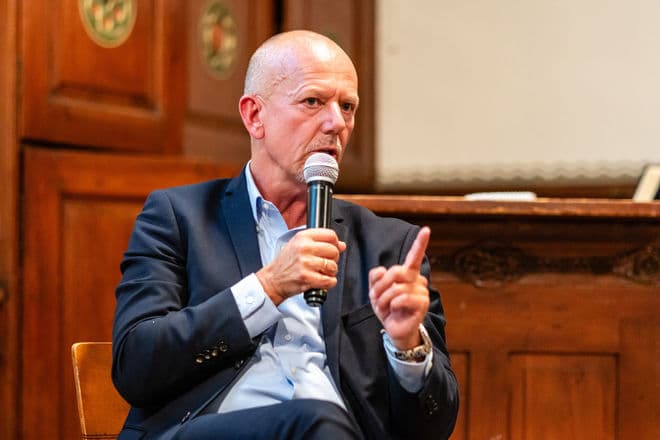
Jan Bylov, an energy analyst at Jyske Bank, is also following developments minute by minute. However, he does not believe that there is reason to be concerned that Denmark will end up in an energy crisis similar to the one that led to car-free Sundays in the 1970s.
- It is a very serious situation we are in, but we are not nearly as dependent on oil as we were during the energy crisis back then. Now we have electric cars and we have green electricity. So I can't imagine that we will be exposed to that here in Denmark, he says.
The Danish economy should be well prepared, and there is therefore no reason to conjure up horror scenarios, says Jan Bylov.
- Energy prices are global, so we cannot escape the price impact. But to start saying that people will lack gas, diesel and petrol, I think, would be wrong, he says.
In an election debate on DR on Sunday evening, Prime Minister Mette Frederiksen (S) spoke about the risk of stagflation - that the economy will slow down due to the energy crisis. We are far from there yet, Tore Stramer assesses.
- This requires the oil price to rise to a significantly higher level than the current one and remain there for a long time, he says.
The chief economist points out that Monday's announcement from Donald Trump has caused oil prices to fall slightly again. But nothing is certain, he emphasizes.
- We have seen in the past through this crisis that it has been one step forward and two steps back. It has been a very messy process.
/ritzau/
Text, graphics, images, sound, and other content on this website are protected under copyright law. DK Medier reserves all rights to the content, including the right to exploit the content for the purpose of text and data mining, cf. Section 11b of the Copyright Act and Article 4 of the DSM Directive.
Customers with IP agreements/major customer agreements may only share Danish Offshore Industry articles internally for the purpose of handling specific cases. Sharing in connection with specific cases refers to journaling, archiving, or similar uses.
Customers with a personal subscription/login may not share Danish Offshore Industry articles with individuals who do not themselves have a personal subscription to Danish Offshore Industry.
Any deviation from the above requires written consent from DK Medier.