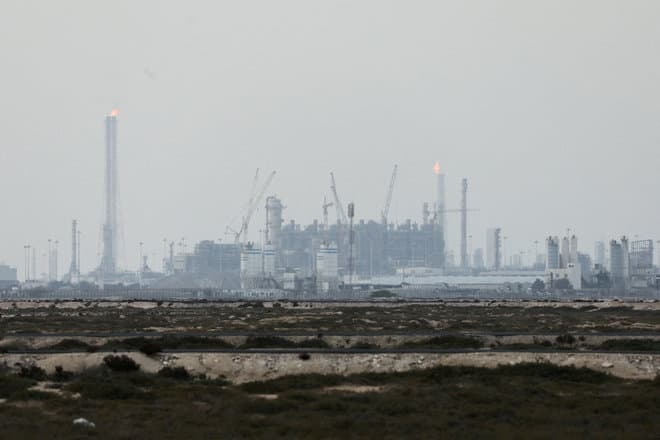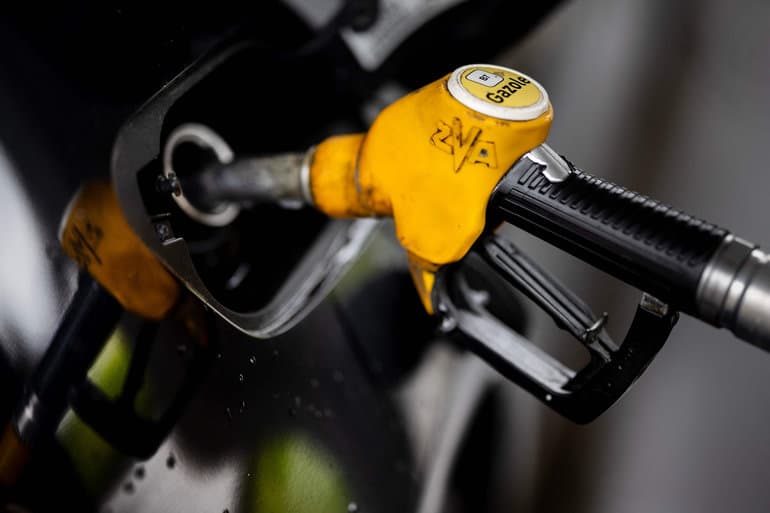
The price of a barrel of crude oil could rise to over $180 - just over 1,160 kroner - if disruptions to oil exports from the Middle East continue until the end of April. This is the assessment of officials in Saudi Arabia, according to The Wall Street Journal.
The assessment is backed by the energy consultancy Wood Mackenzie, which estimates that the price could reach $200 per barrel by 2026. Although Saudi Arabia is largely dependent on its oil revenues, it is causing deep concern in the country, writes The Wall Street Journal.
Prices at that level could force consumers to change habits and drastically cut their oil consumption - potentially permanently. There is also a risk of recession, which could hit demand for oil. Saudi Arabia also risks being labeled as a country that benefits from a conflict that it did not start, the newspaper writes.
Analyst: Rapid price increases create instability
Umer Karim is an analyst of Saudi Arabian foreign policy and geopolitics at the research institute King Faisal Center for Research and Islamic Studies in the Saudi Arabian capital, Riyadh.
- Saudi Arabia generally does not like excessively rapid price increases for oil, as it creates long-term instability in the market, he tells The Wall Street Journal.
Saudi Arabia's state oil company, Saudi Aramco, which handles production, sales and pricing, has declined to comment on the matter, according to the newspaper.
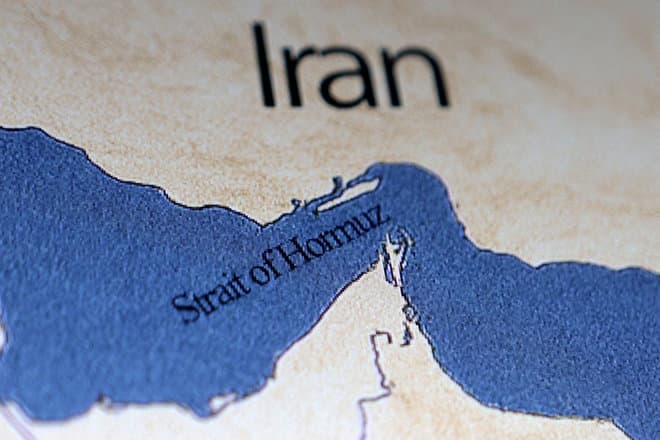
Israeli and US attacks on Iran have led to Iran initiating a de facto blockade of the Strait of Hormuz, from which 20 percent of the world's oil is exported. However, Iran has said that the strait is only closed to Iran's enemies.
The conflict has sent the price of Brent crude oil to $119 per barrel. This is the first time since Russia's invasion of Ukraine that the price has exceeded $100. In March 2022, the price reached almost $140. The record for the highest oil price is $146.08. This was during the financial crisis in July 2008.
/ritzau/
Text, graphics, images, sound, and other content on this website are protected under copyright law. DK Medier reserves all rights to the content, including the right to exploit the content for the purpose of text and data mining, cf. Section 11b of the Copyright Act and Article 4 of the DSM Directive.
Customers with IP agreements/major customer agreements may only share Danish Offshore Industry articles internally for the purpose of handling specific cases. Sharing in connection with specific cases refers to journaling, archiving, or similar uses.
Customers with a personal subscription/login may not share Danish Offshore Industry articles with individuals who do not themselves have a personal subscription to Danish Offshore Industry.
Any deviation from the above requires written consent from DK Medier.