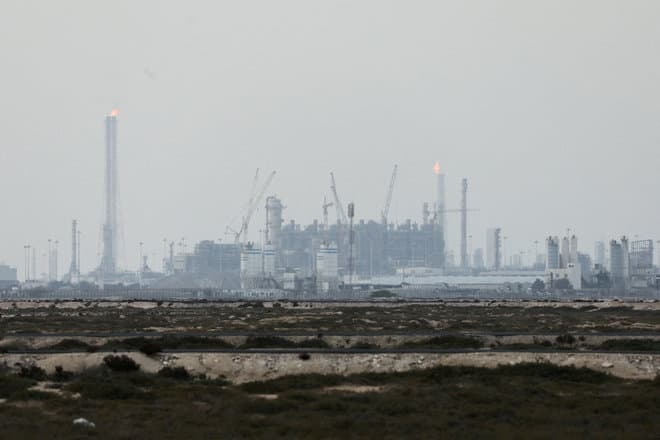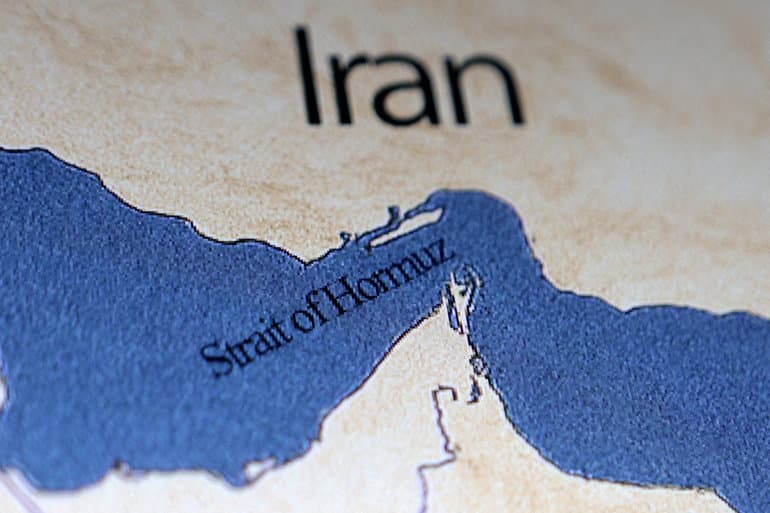
Just under 100 ships have sailed through the Strait of Hormuz since the start of March, even though the narrow strait has otherwise been largely closed during the war in Iran. This shows data that the BBC has analyzed, while international oil and gas prices have increased significantly.
The figures from March correspond to five to six ships sailing through the strait daily. This is a drop in daily ship traffic in the strait of around 95 percent.
Before the war, which began with extensive Israeli and American air strikes on February 28, around 138 ships sailed through the strait daily. They carried around a fifth of the global oil supply.
But the threat of attack from Iran has led the vast majority of ships to avoid sailing through the Strait of Hormuz, which lies between the Arabian Peninsula and Iran.
The BBC has taken a closer look at the ships that still choose to sail through the strait. Around a third of them had connections to Iran.
Taking a new route
The analysis from the British media also shows that some of the ships sailing through the strait are taking a different route than usual. Instead of sailing on the normal route in the middle of the Strait of Hormuz, they are sailing closer to the Iranian coastline.
Several analysts speaking to the BBC see this as a sign that they have received instructions from Iran on what to do to ensure safe passage.
US President Donald Trump wants the strategically important strait reopened. He has previously called on allied countries to help with a mission to the strait.
But a number of major countries have denied that this will happen under the auspices of the Western military alliance Nato.
On Thursday, Britain and five other countries said that they are ready to help ensure safe passage through the Strait of Hormuz. However, it was not elaborated on how this would be done.
/ritzau/
Text, graphics, images, sound, and other content on this website are protected under copyright law. DK Medier reserves all rights to the content, including the right to exploit the content for the purpose of text and data mining, cf. Section 11b of the Copyright Act and Article 4 of the DSM Directive.
Customers with IP agreements/major customer agreements may only share Danish Offshore Industry articles internally for the purpose of handling specific cases. Sharing in connection with specific cases refers to journaling, archiving, or similar uses.
Customers with a personal subscription/login may not share Danish Offshore Industry articles with individuals who do not themselves have a personal subscription to Danish Offshore Industry.
Any deviation from the above requires written consent from DK Medier.