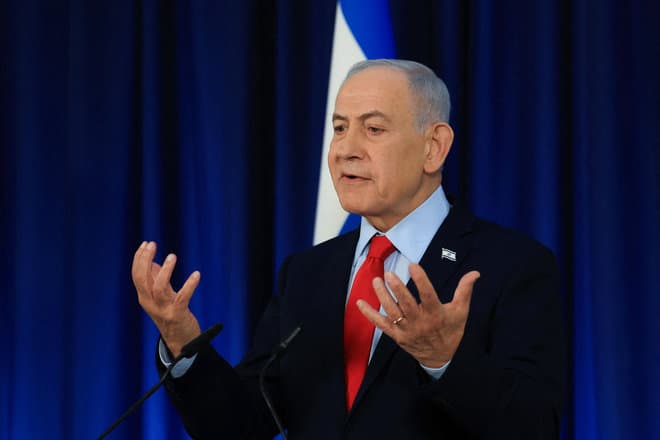
Iran is ready to let Japanese ships pass through the strategically important Strait of Hormuz. This was stated by Iranian Foreign Minister Abbas Araqchi to the Japanese news agency Kyodo News, according to Reuters.
Iran and Japan have begun talking about a possible opening of the strait, Araqchi told Kyodo News in a telephone interview. It is not clear when it could be opened.
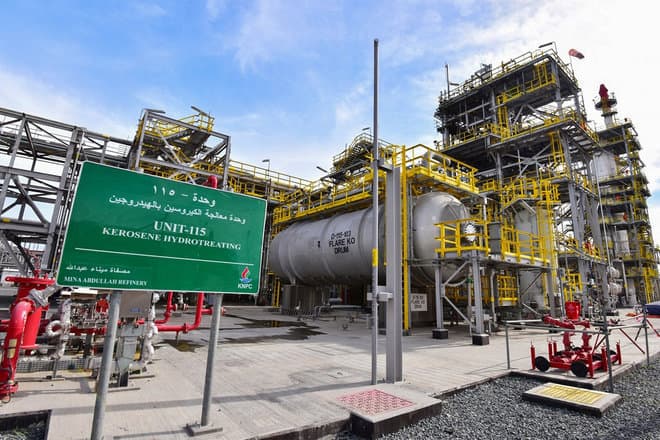
95 percent of Japan's oil supplies come from the Middle East. 90 percent of the country's oil is transported via the strait, writes Reuters. Iran has de facto closed the strait during the war with the United States and Israel.
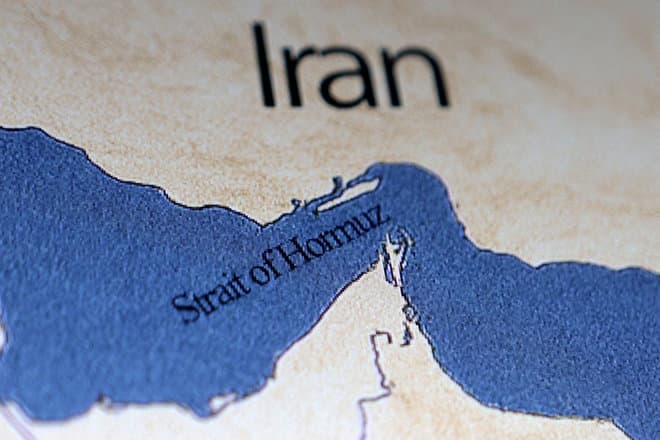
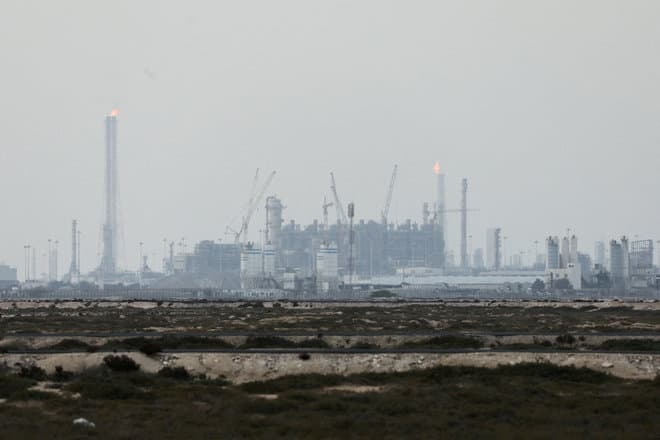
Iran and the Arabian Peninsula are separated by the 33-kilometer-wide Strait of Hormuz. One fifth of all the world's oil is transported through the strait. In some places, the strait is only about four kilometers wide.
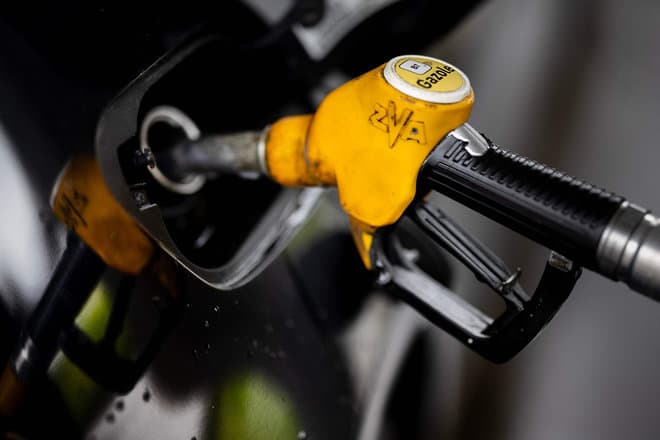
The three-week war and the subsequent increase in oil prices have prompted Japan and other countries - including Denmark - to release oil from their reserves.
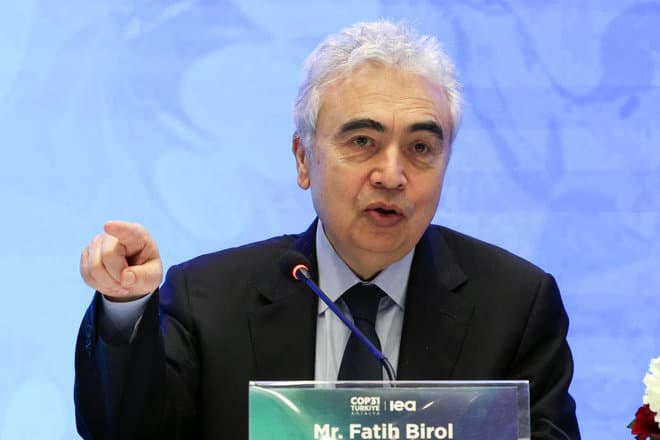
This happened after a request from the International Energy Agency (IEA), of which Denmark and 31 other countries are members. The IEA wants the countries to release 400 million barrels of oil. Denmark released 1,246,000 barrels of oil from its reserves earlier this month.
Japan was among the first six countries to declare on Thursday that it was ready to help ensure safe passage through the Strait of Hormuz. This happened after several days when US President Donald Trump had asked his NATO allies for help in opening the strait.
He was rejected by many, and on Tuesday the president said that the United States did not need the help of NATO countries after all. Denmark joined the effort on Friday, bringing the total to 20 countries ready to secure the route.
It has been four years since the IEA last decided to release oil from the reserve. The decision in 2022 was made after Russia invaded Ukraine, which caused energy prices to rise sharply. The oil reserves were released to keep oil prices down.
According to the newspaper The Guardian, the IEA has a total of 1.2 billion barrels of oil in reserve. In addition, there are around 600 million barrels that the industry has at its disposal.
/ritzau/
Text, graphics, images, sound, and other content on this website are protected under copyright law. DK Medier reserves all rights to the content, including the right to exploit the content for the purpose of text and data mining, cf. Section 11b of the Copyright Act and Article 4 of the DSM Directive.
Customers with IP agreements/major customer agreements may only share Danish Offshore Industry articles internally for the purpose of handling specific cases. Sharing in connection with specific cases refers to journaling, archiving, or similar uses.
Customers with a personal subscription/login may not share Danish Offshore Industry articles with individuals who do not themselves have a personal subscription to Danish Offshore Industry.
Any deviation from the above requires written consent from DK Medier.