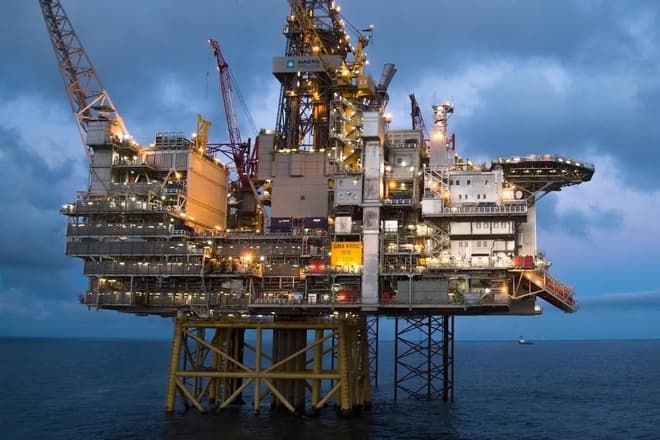

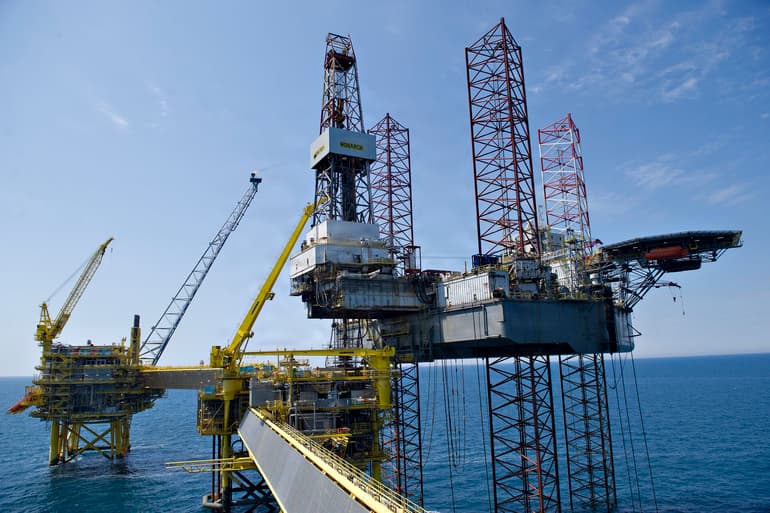
Across platforms, the French oil and gas giant Total Energies has a long-standing backlog of several safety and environmental critical components (SECE) in the North Sea. Processes that are crucial to preventing major accidents and environmental disasters on the platforms.
This is shown by a series of inspection reports and injunction decisions from 2024 to the present day, which the media EnergiWatch has obtained access to from the Danish Working Environment Authority. The reports paint a picture of a consistent lack of timely maintenance across the platforms Harald, Gorm, Skjold and Halfdan A and B.
The conditions are so critical on, among other things, the manned Harald plant, that the supervisory authority in February threatened to report to the police and revoke the operating permit if safety is not brought under control.
"The inadequate maintenance of SECE (Safety and Environmental Critical Elements, ed.) poses a significant risk to the integrity of the plant and the safety of the employees," the Danish Working Environment Authority writes in its decision on the Harald plant from February 2026 and continues further down:
"If the order is not complied with by the deadline of August 7, 2026, the Danish Working Environment Authority will assess stricter reactions, including a recommendation to the police with a view to legal prosecution or consideration of revoking the plant's operating permit."
From the beginning of 2024 to February this year, Total Energies has received a total of nine orders for the lack of maintenance of SECE across the five plants Gorm, Harald, Skjold, Halfdan A and B.
The orders for the backlog are just part of a growing pile of raised forefingers from the Danish Working Environment Authority. In total, the authority gave Total Energies 50 orders during 2024 and 2025, while more have been added this year.
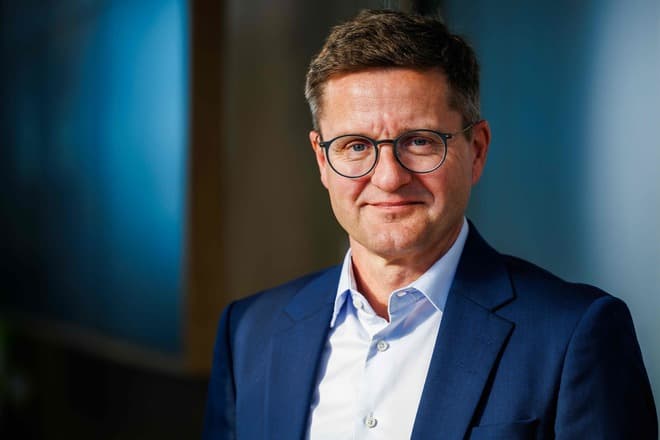
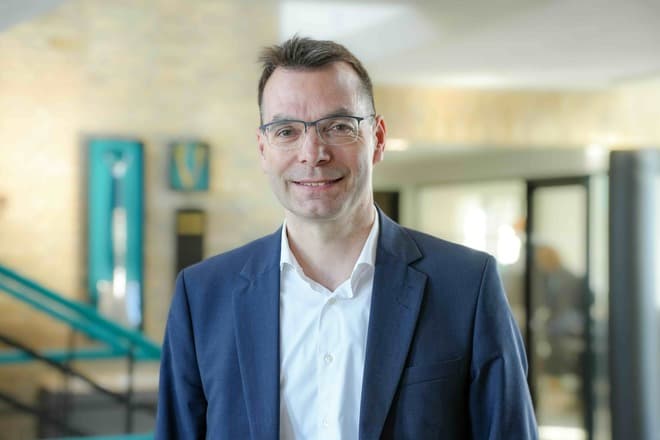
Ole Hansen, CEO of Total Energies EP Denmark, admits to EnergiWatch that “the number of orders means that something is not good enough.”
- We have to take that on. I recognize that we need to do better, he says.
According to the company, the majority of the orders Total has received from the authority are “either closed or in the process of being closed in close cooperation with the Danish Working Environment Authority” today.
Danish Metal: “Lagged badly behind”
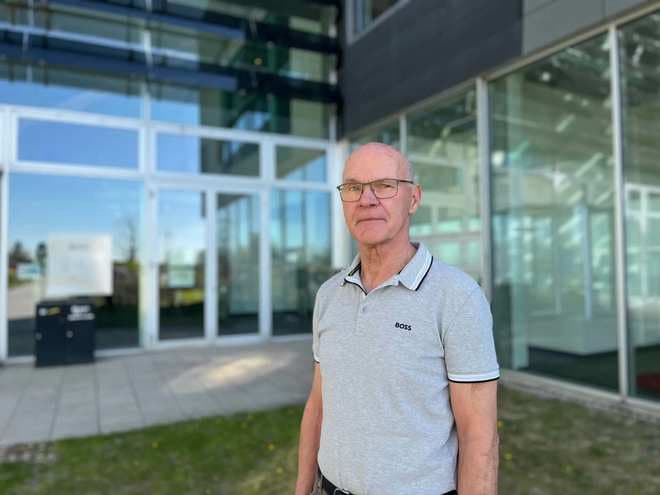
Jan Toft Rasmussen is a union secretary at Dansk Metal and has worked with safety in the offshore sector for 25 years. He takes the many orders very seriously.
- Our members tell us that we are lagging far behind out there. Somewhere we are just crossing our fingers that a major accident doesn't happen where something suddenly explodes and burns, says Jan Toft Rasmussen and continues:
- If we look at the triggering causes of some of the accidents we have had, it has in principle been possible to identify them in something we call small things. There doesn't have to be a lot wrong before it can be catastrophic. Even though the individual orders seem trivial, they are definitely not in the oil and gas industry.
According to Hanna Barbara Rasmussen, who has written a Ph.D. on safety in the offshore industry at the University of Southern Denmark, process safety is “incredibly important,” because gaps in it have the potential to create “dangerous situations” that affect many employees.
- It’s about the large factory running, and that requires procedures and maintenance systems for the operation of the platform, its operational safety, systems, valves and maintenance, she says.
Hanna Barbara Rasmussen, who is currently a special consultant at the Maritime Research Alliance at CBS, is “surprised” that maintenance on several of Total’s platforms is apparently lagging.
The platforms in the Danish part of the North Sea were only built to last 25-30 years, and are now considerably older, so there will “always be something” to maintain in a harsh environment where iron and steel are exposed to salt water, she notes.
- The problem is the sometimes lack of systematic maintenance, she says.
- I think "You can read from the orders and reports from the Accident Investigation Board that there is a lack of systematicity regarding a maintenance plan, valves and the like," says Hanna Barbara Rasmussen.
According to Ole Hansen, the number of orders is due to, among other things, the phasing in of a new contractor, challenges with planning and prioritization and limited availability of spare parts.
- That does not change the fact that the situation has been unsatisfactory, he said on Monday.
Planning fails
According to the Danish Working Environment Authority, it is not just individual components that are lagging at Total Energies, but the general planning that is failing.
On the Gorm field, the authority has found examples of planned maintenance being so delayed that 10 years will pass between inspections, even though the company's own rules prescribe an interval of four years.
Total Energies has now been ordered to significantly reduce the number of outstanding tasks. The orders have different deadlines, but the common requirement is that that maintenance in the future must be planned and carried out in a timely manner to avoid breakdowns of safety-critical systems.
- We have intensified our efforts to meet these orders, and we have actually reduced our maintenance backlog by over 50 percent over the past year, says Ole Hansen.
How far are you from being where you want to be, in terms of safety?
- It is safe to work at our facility, and we are really working to avoid incidents. It is clear that when we have such a backlog in our maintenance, it must be followed up and taken care of, and we are well underway with that now.
Text, graphics, images, sound, and other content on this website are protected under copyright law. DK Medier reserves all rights to the content, including the right to exploit the content for the purpose of text and data mining, cf. Section 11b of the Copyright Act and Article 4 of the DSM Directive.
Customers with IP agreements/major customer agreements may only share Danish Offshore Industry articles internally for the purpose of handling specific cases. Sharing in connection with specific cases refers to journaling, archiving, or similar uses.
Customers with a personal subscription/login may not share Danish Offshore Industry articles with individuals who do not themselves have a personal subscription to Danish Offshore Industry.
Any deviation from the above requires written consent from DK Medier.