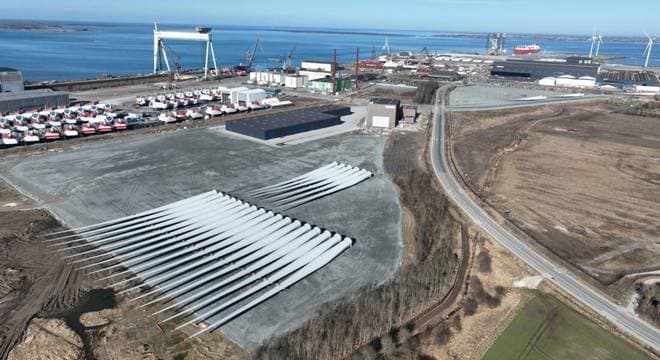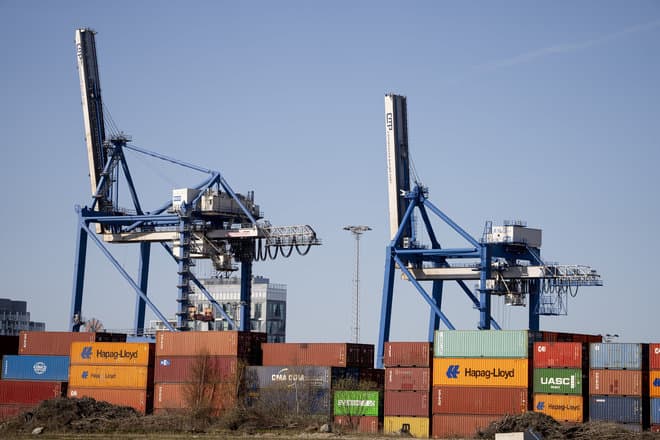



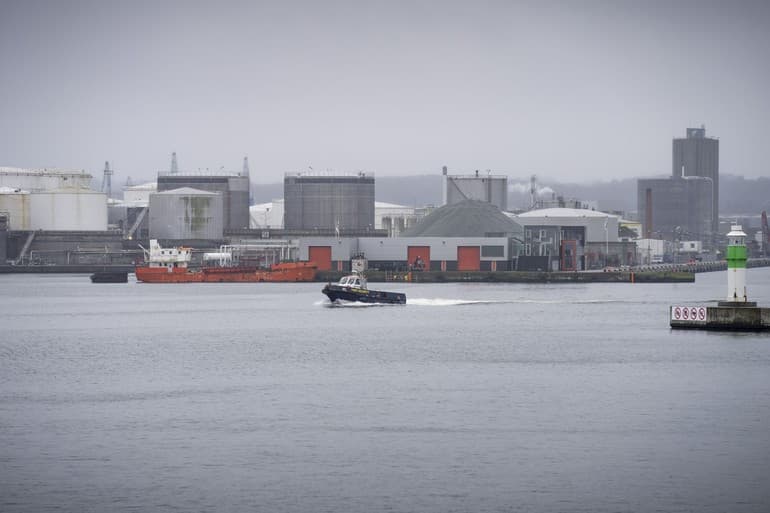
AARHUS: After years of unusually loud citizen protests, a majority of the Aarhus city council has decided to expand Denmark's already largest container port into the Aarhus Bay. 23 of 31 city council members - the Social Democrats, the Conservatives, the Liberals and the Socialists - are behind the most controversial construction project in decades in the country's second largest city.
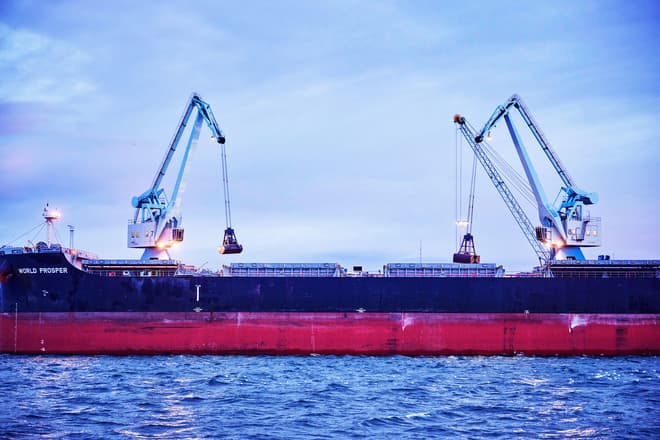
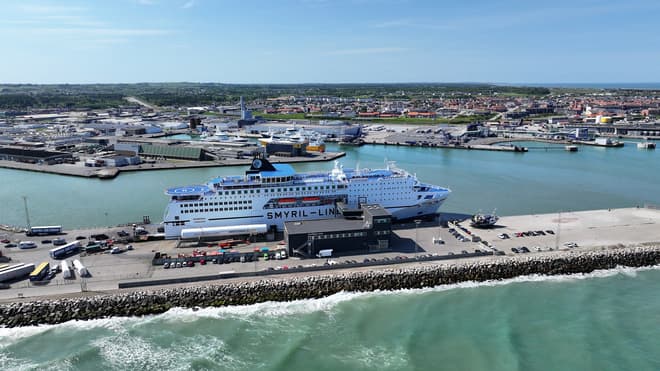
Today, around two-thirds of the total volume of containers and other goods is transported into Denmark via the port of Aarhus. The expansion is expected to increase the number of cargo ships by 1,000 annually and 2,800 additional trucks per day.
The ballad has meant that the city council has scaled down the first stage to 43 hectares - 60 football fields - including a recreational nature area as well as Aarhus Blueline and a new, but reduced outer pier.
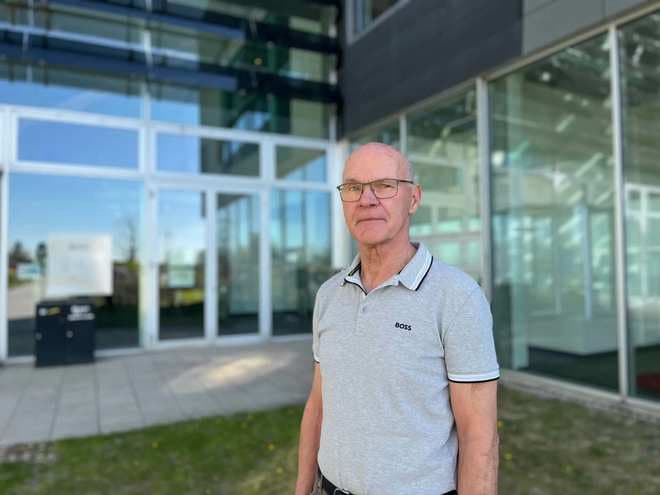
- But once the pier is there, it is a formality for a later city council to fill in the land behind it and expand the port. We will exploit all possibilities for appeal when the case now has to go through both the Danish Transport Authority and the Environmental Protection Agency and perhaps the EU, says the chairman of the protest association Beskyt Aarhusbugten Svend Erik Kristensen.
Theme for KV25
- The city council's decision is deeply disappointing. It is fantastic that we are now hearing about how they have taken into account the citizens' objections. It is almost a fraud when they claim how green the new port will be. In reality, it is a step backwards in terms of climate, environment and marine environment in relation to everything that Aarhus Municipality claims they want to stand for, says Svend Erik Kristensen. He believes that the port expansion will still leave its mark at the next municipal election.
- If the case is still going through appeals at that time, then it will still be red-hot. The political parties behind it will probably be upset about that, because it will cost them votes, he says.
He is right, believes Roger Buch, a municipal researcher at the Danish School of Media and Journalism.
- Those who are dissatisfied with the port expansion will do their part to ensure that it becomes a major theme at the next municipal election in 2025. The crucial thing is the economy at that time. If we are in the middle of a major crisis, then that topic will blow all other agendas off the table. But if we are not in crisis, the port could become a big issue, because urban development and climate were already a big issue in the last municipal election, he says.
New calculations
On Thursday, the media outlet MobililyWatch wrote that new calculations from the shipping company Mærsk show that the company has emitted significantly more CO2 than first reported. Maersk's container ships are the main player at the Port of Aarhus.
The difference from the previous calculations is greater than what the entire Danish agriculture derived in 2021. Professor of environmental assessment Lone Kørnøv from Aalborg University says:
- It should clearly be investigated whether the new figures play a role in the environmental calculations.
The parties behind the agreement largely believe that they will meet the resistance against, in particular, dumping, marine environment, climate impact and visual impact.
- The agreement addresses many of the concerns that have been raised during the very interesting citizen involvement, said Aarhus Mayor Jakob Bundsgaard (S) after the adoption. He is also chairman of the Port of Aarhus, which has fought for the port expansion. This dual role has added fuel to the fight against what opponents see as the destruction of both nature, climate and Aarhus' special location as a large city close to the sea.
/ritzau/
Text, graphics, images, sound, and other content on this website are protected under copyright law. DK Medier reserves all rights to the content, including the right to exploit the content for the purpose of text and data mining, cf. Section 11b of the Copyright Act and Article 4 of the DSM Directive.
Customers with IP agreements/major customer agreements may only share Danish Offshore Industry articles internally for the purpose of handling specific cases. Sharing in connection with specific cases refers to journaling, archiving, or similar uses.
Customers with a personal subscription/login may not share Danish Offshore Industry articles with individuals who do not themselves have a personal subscription to Danish Offshore Industry.
Any deviation from the above requires written consent from DK Medier.