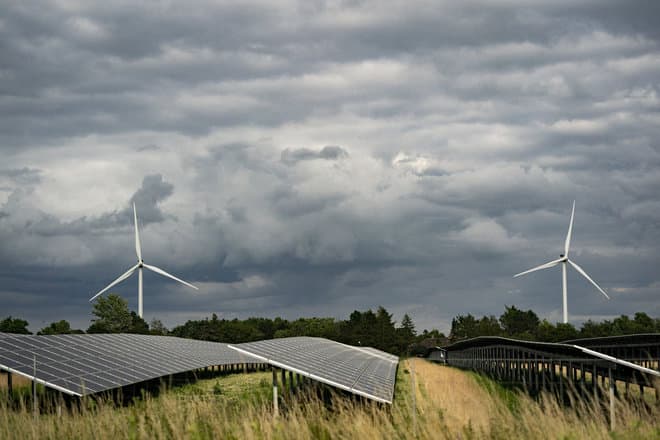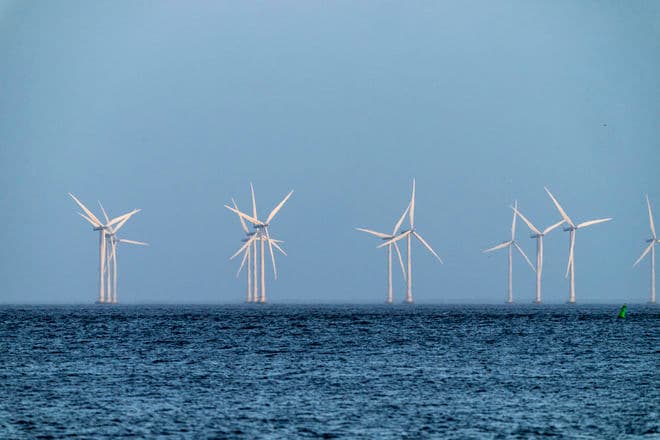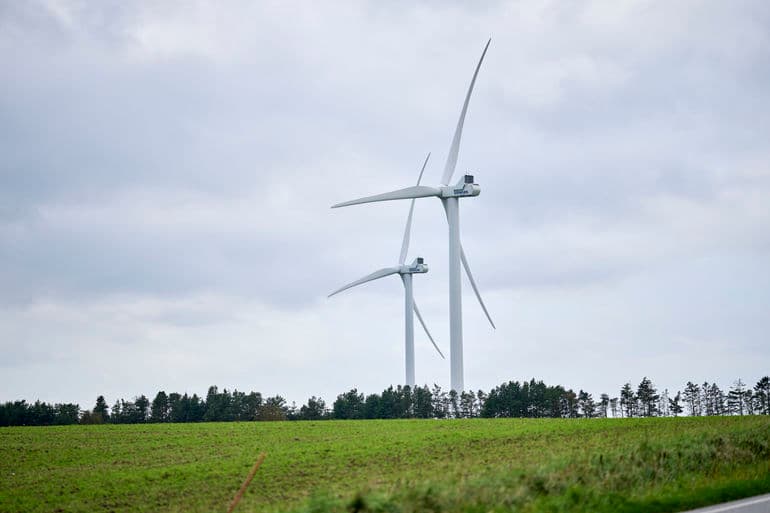
Existing wind turbines in large parts of Denmark should be forced to shut down for half the year. Wind turbines should also not be erected in or around all types of forests, lakes, fjords and the like. The interventions should be made so that Denmark lives up to its obligations to protect bats.
This is the message in a report prepared by biologists from the National Center for Environment and Energy at Aarhus University (DCE) according to Klimamonitor.
- This is very drastic, declares Thomas Aarestrup, director of renewable energy and public affairs at Green Power Denmark.
Bats or windmills?
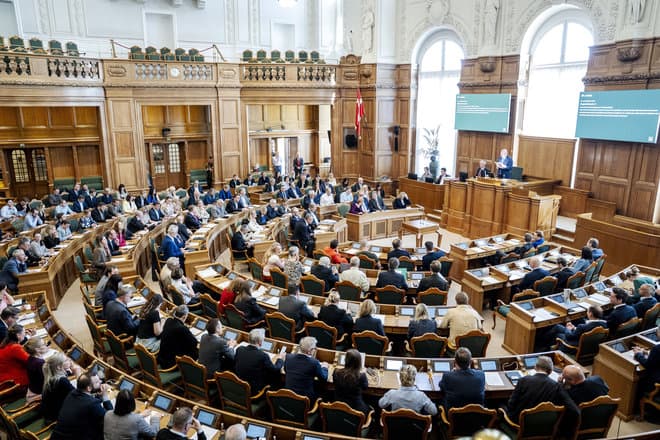
Prime Minister Mette Frederiksen (S) also touched on the consideration between more wind turbines and the protection of bats in her speech to the opening of the Folketing in October last year.
- Are bats more important than wind turbines?
Now the experts' response to the prime minister's remark in the opening speech has arrived, and it makes several players in the energy sector shudder.
- I am definitely shocked, says Thomas Aarestrup from the energy sector's interest organization Green Power Denmark.
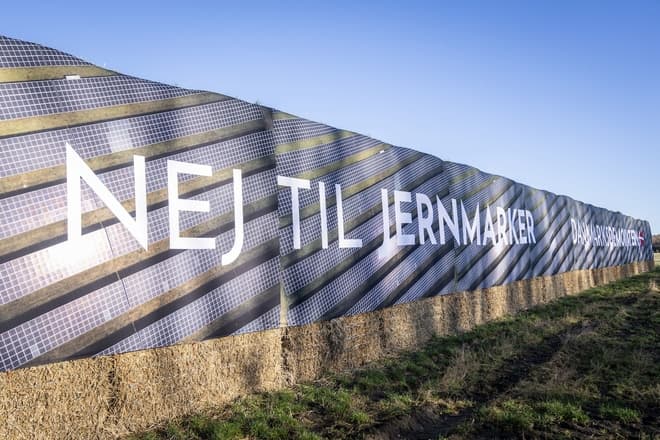
In addition to the restrictions on wind turbines, biologists recommend that large solar cell plants should not be built in or close to forests, dry and wet natural areas, and low-lying areas. There is already a shortage of space in Denmark for new solar cell parks or onshore wind.
- When I first saw it, I could do nothing but stare into the air in disbelief. This is truly critical for the green transition of our energy consumption and our security of supply, says Thomas Aarestrup Jensen.
Acts as a benchmark
The advice from DCE acts as a benchmark for authorities, ministries and interest groups. It is the Danish Environmental Protection Agency that has asked the centre's biologists for an updated handbook on what needs to be done if Denmark is to comply with the EU's Habitats Directive to preserve an endangered species such as bats.
- This is a guideline material. It is not a checklist, states Hans Christian Karsten, senior consultant at the Danish Environmental Protection Agency.
However, the agency is on the verge of issuing a guideline statement on the recommendations from the National Center for Environment and Energy.
However, regarding the interpretation from the Environmental Protection Agency's head of department about the new handbook, the director of Green Power Denmark is just as anxious as before.
- We have to be honest. This is not 'just' a recommendation that you as a developer and municipality can be inspired by, says Thomas Aarestrup Jepsen.
In his opinion, the report's recommendations will constitute new knowledge that the Planning Appeals Board will historically always take into account when there is no other legislation in place.
- As soon as a complaint is made on this basis, the risk is very high that projects on a very large scale will fail, fears Thomas Aarestrup Jepsen.
amp
Text, graphics, images, sound, and other content on this website are protected under copyright law. DK Medier reserves all rights to the content, including the right to exploit the content for the purpose of text and data mining, cf. Section 11b of the Copyright Act and Article 4 of the DSM Directive.
Customers with IP agreements/major customer agreements may only share Danish Offshore Industry articles internally for the purpose of handling specific cases. Sharing in connection with specific cases refers to journaling, archiving, or similar uses.
Customers with a personal subscription/login may not share Danish Offshore Industry articles with individuals who do not themselves have a personal subscription to Danish Offshore Industry.
Any deviation from the above requires written consent from DK Medier.