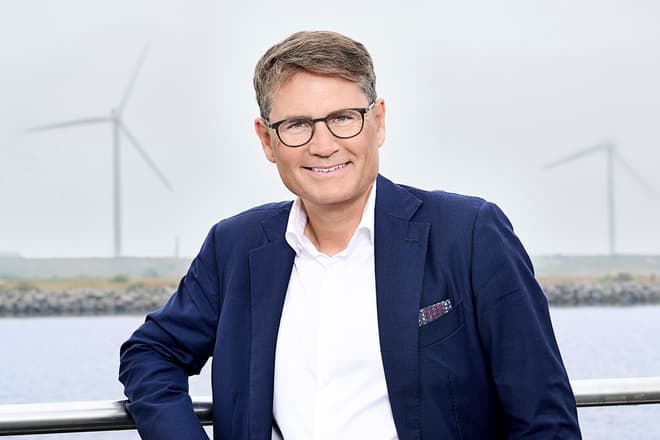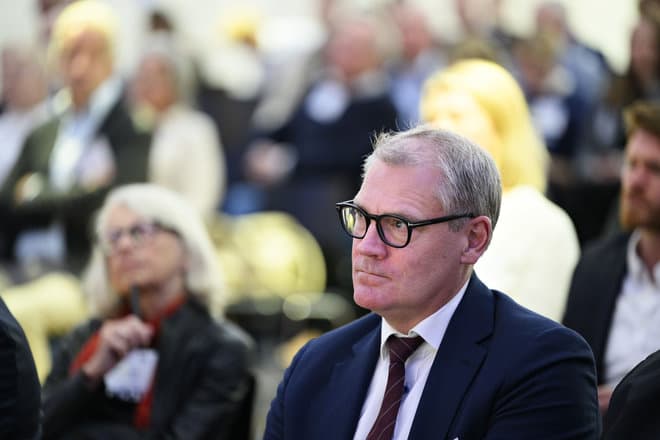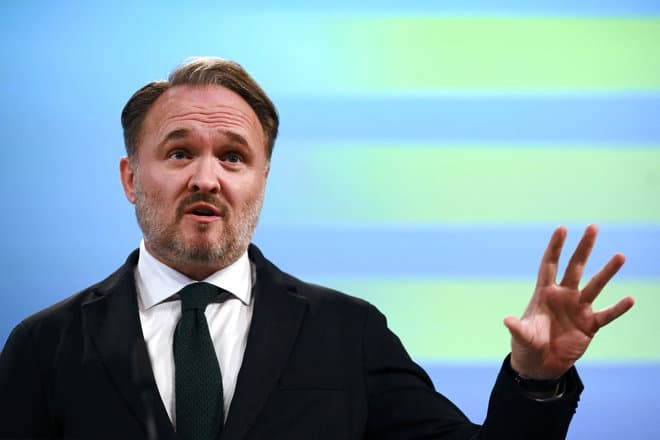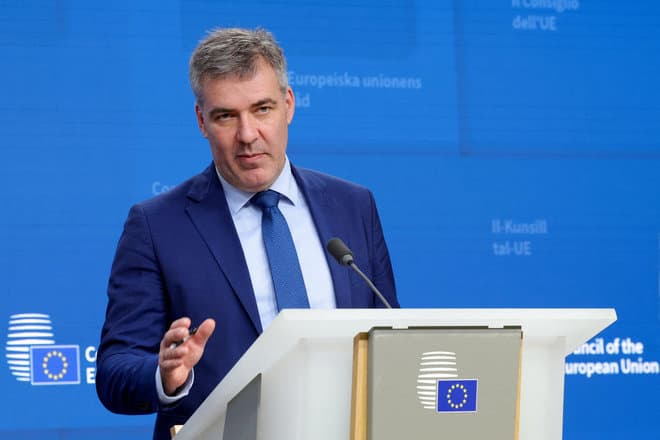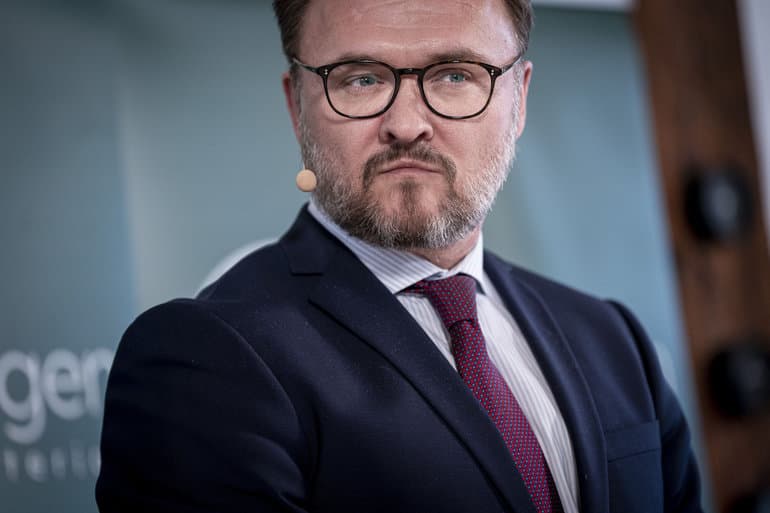
UPDATED: Even though Hungary and Slovakia say no, a ban on Russian gas is probably on the way in the EU, effective from 2028. On Tuesday, EU Commissioner for Energy and Housing, Dan Jørgensen, presented the legislation that will implement the ban. This happened at a press conference in Strasbourg.
The ban is intended to ensure that the EU becomes independent of Russian gas and cut off payments to Russian President Vladimir Putin, who has been waging war in Ukraine for more than three years.
- It is not acceptable to be dependent on an energy source from a country that is our enemy, says Dan Jørgensen.
EU continues to buy billions
EU countries continue to buy Russian gas for close to two billion euros per month. This corresponds to around 15 billion kroner per month. Or almost 180 billion kroner per year. Money that Russia can use to finance the war in Ukraine.
- That's why we're saying stop, says Dan Jørgensen.
The EU Commission is specifically planning to require all EU countries to stop using Russian gas from so-called short contracts from January 1, 2026.
- This will mean that around a third of the consumption of Russian gas that we have now will cease from the turn of the year, says Dan Jørgensen.
The EU Commission is also planning for EU countries to exit their long contracts for Russian gas before the end of 2027.
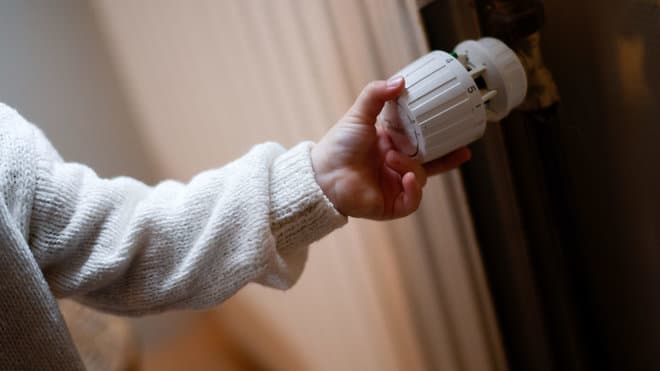
- So now an end date has been set for Russian gas. And we do it in a way that no country will lack heating for homes or gas for industrial production.
Question: How do you ensure that?
- We do it by taking a gradual approach, where we ban a third from the turn of the year. And the rest at the end of 2027. That's enough time for you to adjust. But I don't neglect that there are some EU countries that will face challenges. We from the EU Commission are helping them diversify their options for buying gas from other places, says Dan Jørgensen.
He points out that liquefied natural gas can be supplied by, among others, the USA, Canada and Qatar.
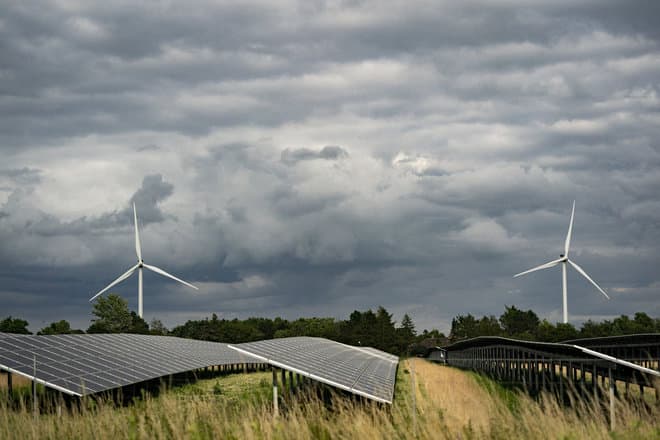
- But the most important effort we can make is to reduce gas consumption and switch to other energy sources, says Dan Jørgensen.
Ban can be adopted without unanimity
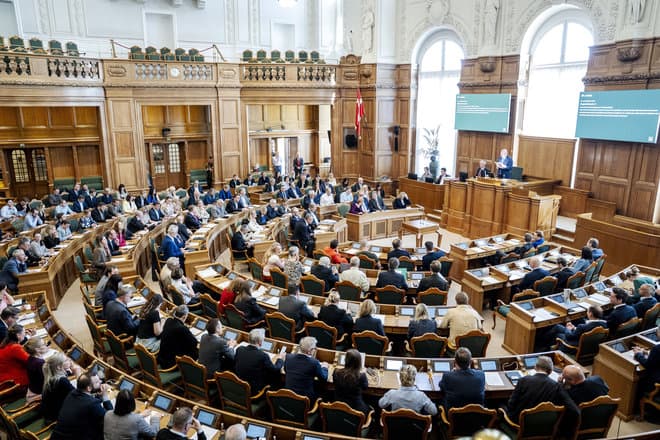
However, the EU countries Hungary and Slovakia are threatening to block the 18th sanctions package against Russia if the requirements in the EU Commission's proposal are not relaxed. The sanctions packages must be adopted unanimously. Therefore, the two countries can each block further tightening of the EU's sanctions.
The ban on Russian gas can, however, be adopted by qualified majority because it falls under trade policy. Therefore, Dan Jørgensen hopes that the ban, regardless of the opposition of Hungary and Slovakia, will be put in place during the Danish EU presidency, which begins on July 1.
- I hope that all countries will support the initiative. But it can be adopted even if not all countries support it. What happens in other tracks about other policies is a separate discussion, says Dan Jørgensen.
If Hungary and Slovakia ignore the ban after the expected adoption, it will be a breach of EU rules. This will mean that the countries can be brought before the EU Court of Justice and, for example, be imposed with financial sanctions.
However, Dan Jørgensen expects that the EU Commission will be able to help Hungary and Slovakia find alternative gas supplies that will not be more expensive than Russian gas.
- We clearly assess that this will not cause the price of gas to increase. Because in the period until it comes into force, more gas will come onto the market from sources other than what Russia supplies. At the same time, we will reduce gas consumption.
- So from a supply and demand logic, this is something that needs to be handled, says Dan Jørgensen.
/ritzau/
Text, graphics, images, sound, and other content on this website are protected under copyright law. DK Medier reserves all rights to the content, including the right to exploit the content for the purpose of text and data mining, cf. Section 11b of the Copyright Act and Article 4 of the DSM Directive.
Customers with IP agreements/major customer agreements may only share Danish Offshore Industry articles internally for the purpose of handling specific cases. Sharing in connection with specific cases refers to journaling, archiving, or similar uses.
Customers with a personal subscription/login may not share Danish Offshore Industry articles with individuals who do not themselves have a personal subscription to Danish Offshore Industry.
Any deviation from the above requires written consent from DK Medier.