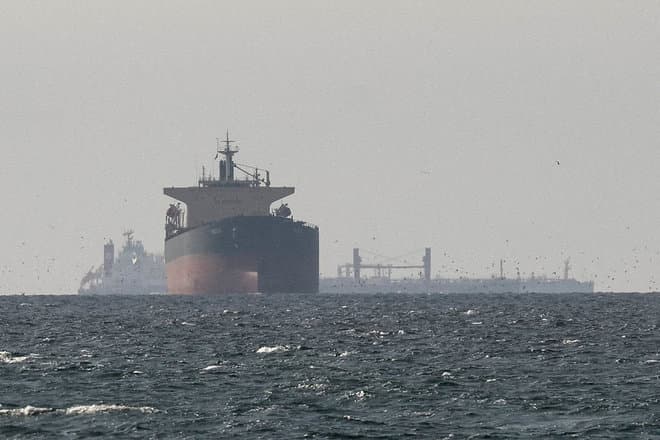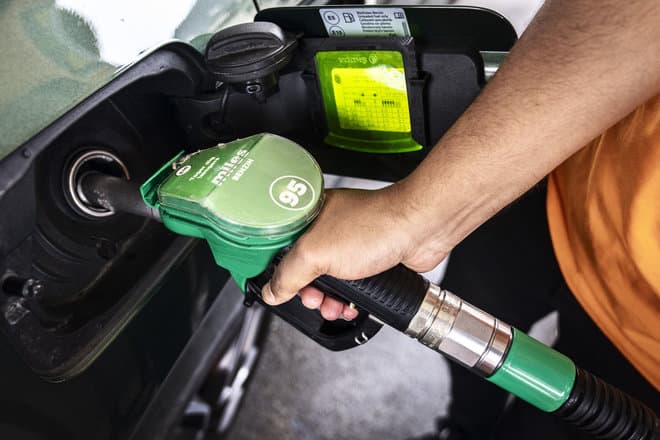
While consumers are feeling the consequences of rising energy prices, the unrest in the Middle East has brought in significantly more oil money for Russia last month. Russia almost doubled its income from oil exports in March, the International Energy Agency (IEA) reported, according to the AFP news agency on Tuesday.
In total, oil exports brought Russia around 120 billion kroner in March - a significant increase from just over 60 billion kroner in February.
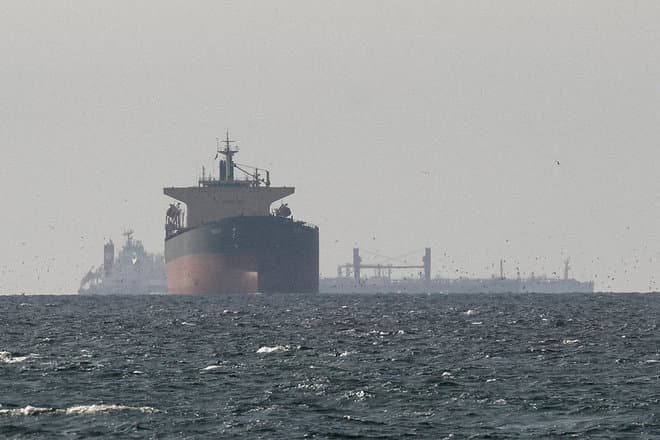
Last month, the United States eased sanctions against Russia to do something about the rising prices. The United States temporarily allowed - until April 11 - the purchase of Russian oil and gasoline products that are already in tankers at sea. These were oil products that the United States had otherwise imposed sanctions on because of the war in Ukraine.
On Tuesday, there were no statements from the United States about a possible extension of the exemption from sanctions. This was said by Dmitry Peskov, Russia's presidential spokesman, according to the Reuters news agency. Russia is the world's second-largest oil exporter. But continued attacks from Ukraine have hit export capacity.
Think Tank: Energy Market Changes Benefit Russia
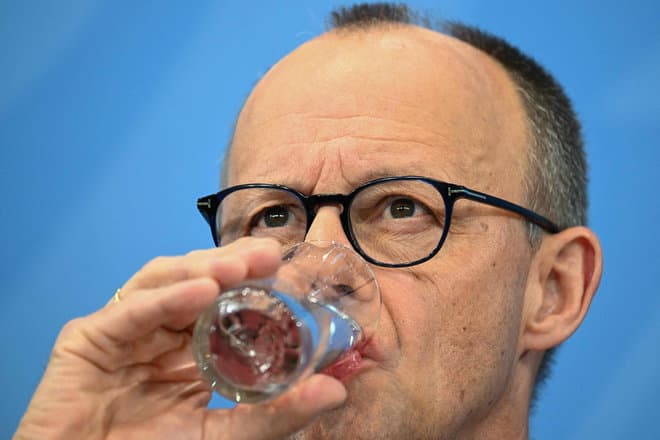
Several European countries have said it is not time to ease sanctions against Russia. In March, German Chancellor Friedrich Merz called the American easing of sanctions "the wrong approach." The Carnegie think tank has previously assessed that the major changes in the energy market will benefit Russia. Moscow is likely to be one of the biggest beneficiaries of these changes, and the crisis in the Gulf is also strengthening Russia's position in relations with China and India, Carnegie wrote in an analysis. On Monday, the US military began a blockade of all ships to and from Iranian ports in the Persian Gulf and the Gulf of Oman near the Strait of Hormuz, which has been largely closed during the conflict. The Strait of Hormuz is a crucial maritime bottleneck for the world's energy supply. It is the only sea route from the Persian Gulf to the open sea, making the strait crucial for exports from oil-producing countries such as Saudi Arabia, Iran and Kuwait. /ritzau/
Text, graphics, images, sound, and other content on this website are protected under copyright law. DK Medier reserves all rights to the content, including the right to exploit the content for the purpose of text and data mining, cf. Section 11b of the Copyright Act and Article 4 of the DSM Directive.
Customers with IP agreements/major customer agreements may only share Danish Offshore Industry articles internally for the purpose of handling specific cases. Sharing in connection with specific cases refers to journaling, archiving, or similar uses.
Customers with a personal subscription/login may not share Danish Offshore Industry articles with individuals who do not themselves have a personal subscription to Danish Offshore Industry.
Any deviation from the above requires written consent from DK Medier.