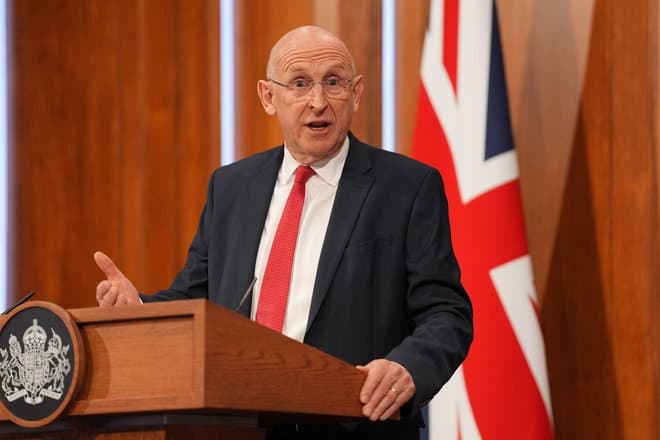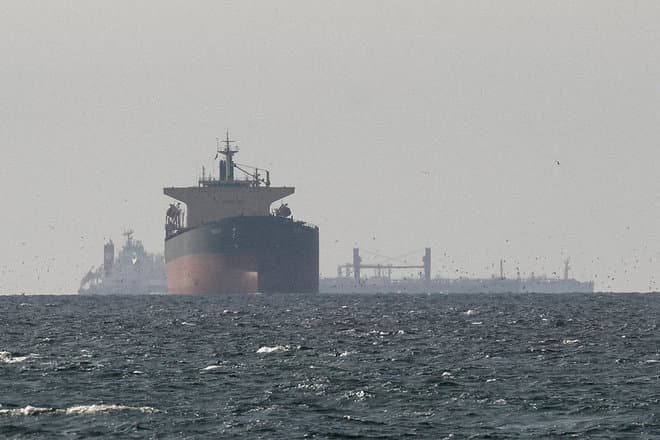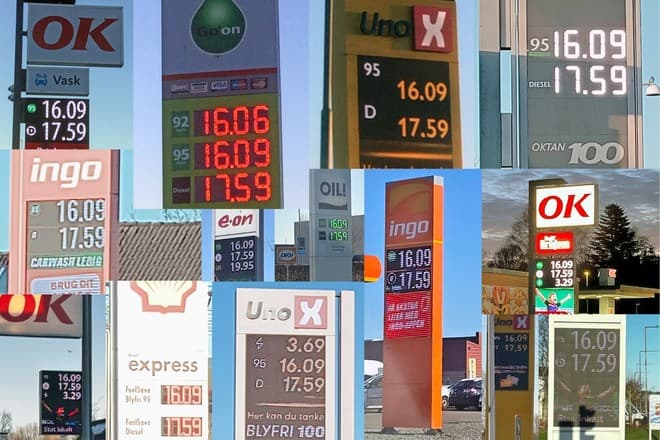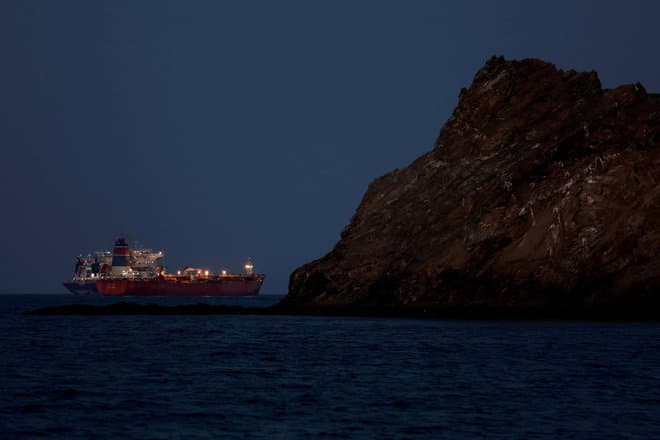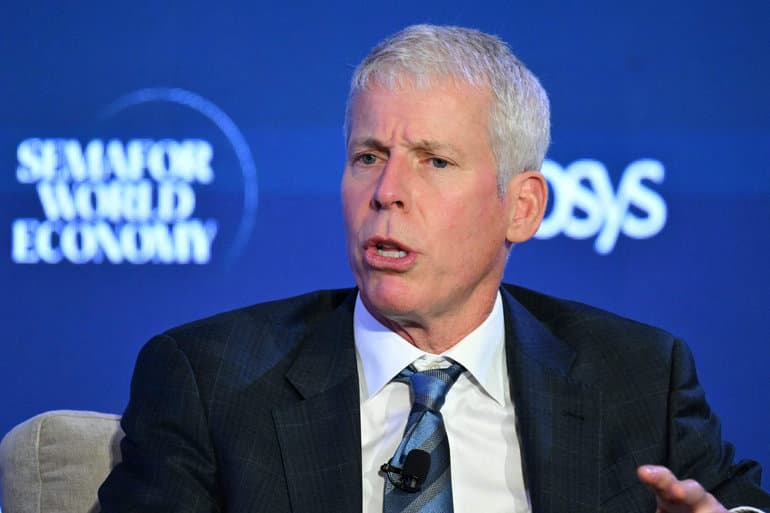
Oil prices are likely to continue to rise until significant shipping traffic through the Strait of Hormuz in the Middle East resumes, US Energy Secretary Chris Wright said, according to Reuters.
Wright expects a significant increase in the number of ships sailing through the strait in the coming weeks.
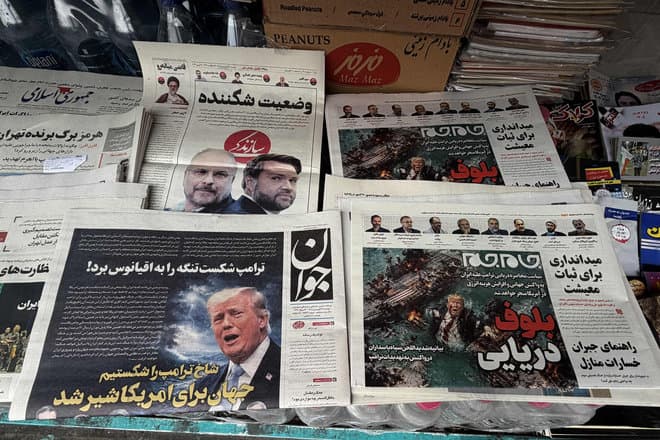
Energy prices have risen sharply worldwide after the Strait of Hormuz was largely closed for weeks. Shipping in the strategically important strait was disrupted during the US-Israeli war against Iran, which began on February 28.
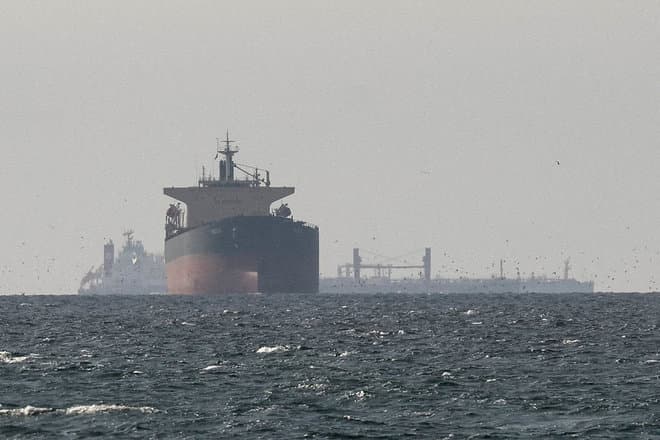
About a fifth of the oil consumed in the world normally passes through the Strait of Hormuz. In addition, large quantities of natural gas are shipped from the Gulf region to the rest of the world.
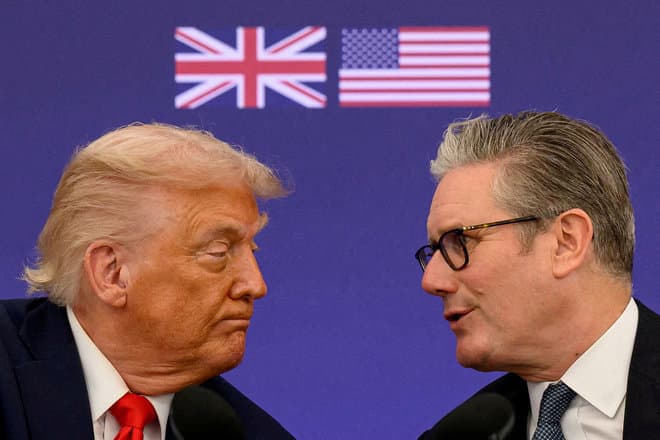
On Monday, the US military began a blockade of all ships to and from Iranian ports in the Persian Gulf and the Gulf of Oman, which are connected by the Strait of Hormuz.
The Strait of Hormuz is a crucial maritime bottleneck for the world's energy supply. It is the only sea route from the Persian Gulf to the open ocean, making the strait crucial for exports from oil-producing countries such as Saudi Arabia, Iran and Kuwait.
The International Energy Agency (IEA) expects April to be even tougher for energy markets and the economy than March. This is what the head of the IEA, Fatih Birol, says, according to the news agency AFP.
According to the global energy chief, this is because exports from the region had already been loaded onto ships long before the crisis began - but during April nothing has been loaded, says Fatih Birol.
- The longer the disruptions last, the more serious the problem becomes, says the energy chief after a meeting of the International Monetary Fund (IMF) on Monday.
/ritzau/
Text, graphics, images, sound, and other content on this website are protected under copyright law. DK Medier reserves all rights to the content, including the right to exploit the content for the purpose of text and data mining, cf. Section 11b of the Copyright Act and Article 4 of the DSM Directive.
Customers with IP agreements/major customer agreements may only share Danish Offshore Industry articles internally for the purpose of handling specific cases. Sharing in connection with specific cases refers to journaling, archiving, or similar uses.
Customers with a personal subscription/login may not share Danish Offshore Industry articles with individuals who do not themselves have a personal subscription to Danish Offshore Industry.
Any deviation from the above requires written consent from DK Medier.