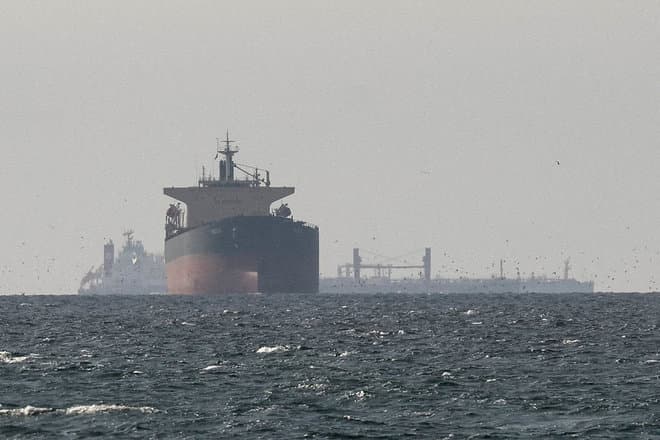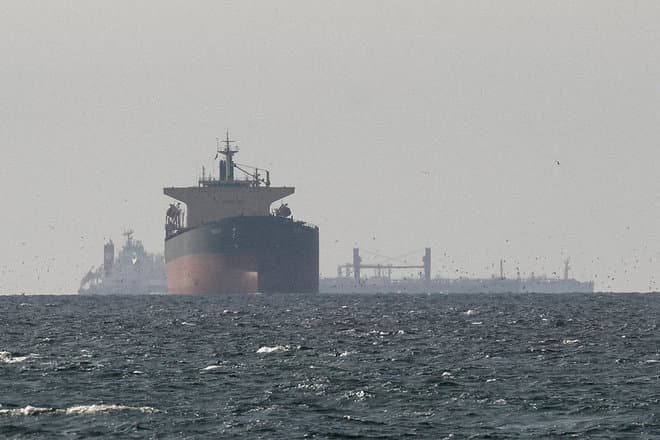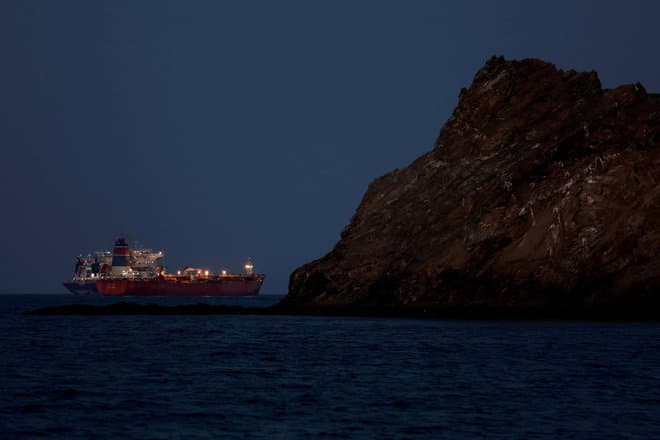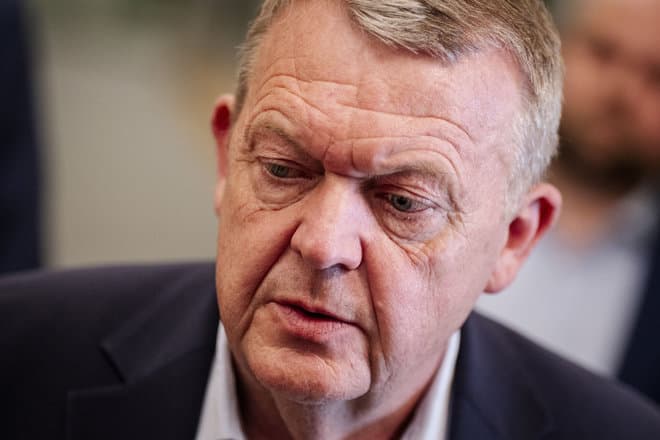
It is practically possible for the US to blockade ships in the Strait of Hormuz that want to go to or from Iranian ports. This is the assessment of Johannes Riber, a researcher at the Center for Military Studies at the University of Copenhagen.
- It is simply a matter of having a number of ships, drones, perhaps air units, so that you can monitor which ships are trying to get through the Strait of Hormuz, he says.
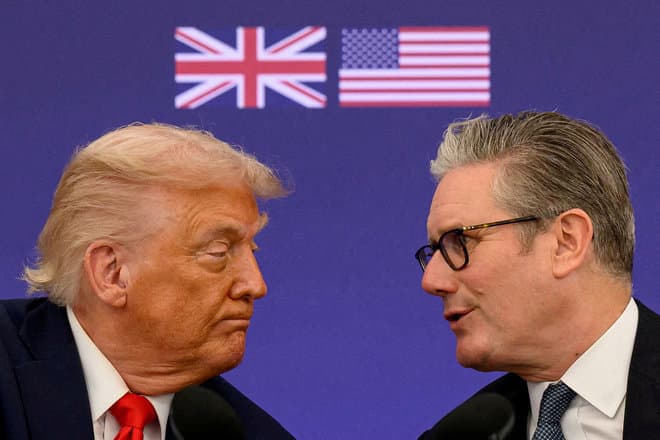
US President Donald Trump and the US military's Central Command, Centcom, have announced that they will initiate a blockade on Monday afternoon Danish time.
According to Johannes Riber, it is an advantage that the strait is narrow. A blockade works by first calling on ships that you do not want to sail through and asking them to turn around. If that does not help, you can ultimately board the ships, he explains. Johannes Riber points out that the US did something similar to Venezuelan oil tankers earlier this year.
Donald Trump has announced that ships that are neither going to nor from Iran are welcome to sail through the Strait of Hormuz, if the US has its way.
- If you make sure to stay relatively close to one of the Iranian ports, you can easily see which ships are coming out of there, and then you can reject them. It is not a difficult task, says Johannes Riber.
He also says that the ships are obliged to state which port they have sailed from. It is difficult to say whether the US can stand for a blockade itself, he says. It depends on how many ships and drones you want to deploy.
- But the starting point is that the Americans can do it themselves, says Johannes Riber.
On Sunday, Trump announced that the United States would initiate a blockade of the Strait of Hormuz. Centcom later clarified that it is going after all ships that are either sailing to or from an Iranian port.
The Strait of Hormuz is crucial for the transport of oil and natural gas to the rest of the world. Under normal circumstances, 20 percent of all the world's oil is transported through the strait.
/ritzau/
Text, graphics, images, sound, and other content on this website are protected under copyright law. DK Medier reserves all rights to the content, including the right to exploit the content for the purpose of text and data mining, cf. Section 11b of the Copyright Act and Article 4 of the DSM Directive.
Customers with IP agreements/major customer agreements may only share Danish Offshore Industry articles internally for the purpose of handling specific cases. Sharing in connection with specific cases refers to journaling, archiving, or similar uses.
Customers with a personal subscription/login may not share Danish Offshore Industry articles with individuals who do not themselves have a personal subscription to Danish Offshore Industry.
Any deviation from the above requires written consent from DK Medier.