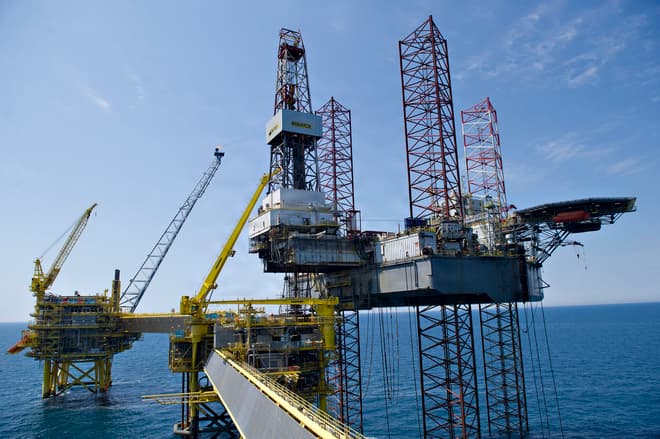



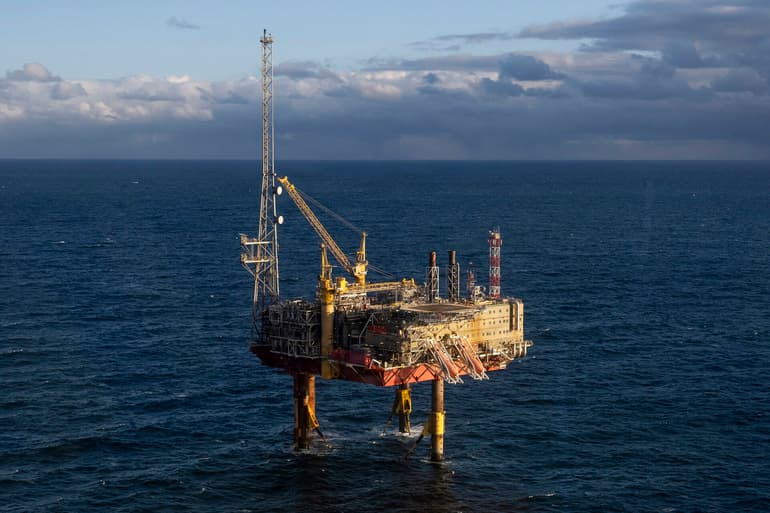
The North Sea Fund will contribute more than DKK 2 billion to the state treasury for 2025 through corporate and hydrocarbon taxes and dividends to the state. This was announced by the North Sea Fund in a press release.
Of the total contribution, DKK 720 million comes from paid corporate and hydrocarbon taxes, while DKK 1.3 billion has been transferred to the state as dividends. At the same time, revenue increased by 30 percent to DKK 3.7 billion, even though oil prices were lower than the previous year. The year's profit ended at DKK 461 million, compared to DKK 498 million in 2024.
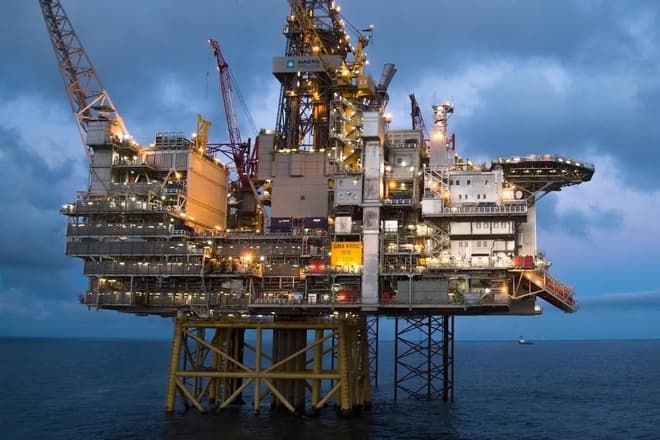
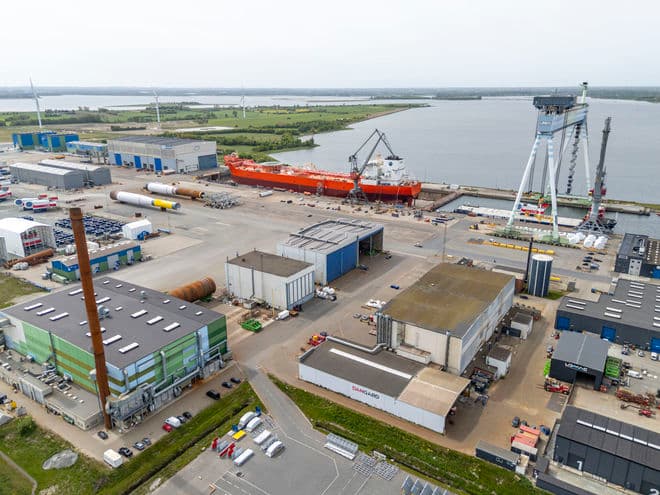
The North Sea Fund's oil production increased by 25 percent to 5.1 million barrels, while gas production more than doubled to 5.3 million MWh. The development is mainly due to the Tyra field and the satellite fields being in operation throughout 2025.
However, the annual report of the North Sea Fund states that the Tyra facilities have had technical challenges after reopening. According to the North Sea Fund, problems with, among other things, process facilities and production efficiency have meant that production has been lower than expected at times.
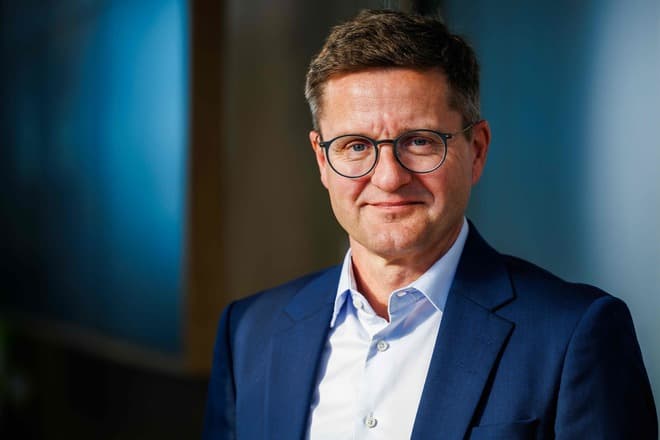
- With Tyra in operation, Denmark is once again a net exporter of gas, and production from the Tyra area contributes to Denmark's and Europe's energy supply and energy independence. At a time when Europe is working to completely phase out Russian gas, Tyra is an important contribution, says Christian Herskind, acting director of the North Sea Fund.
At the same time, the North Sea Fund states that the Harald field is now expected to be able to produce for another 5-10 years after better-than-expected results from a new well, while production at Solsort Vest has fallen to around 30 percent. of the previous level after an expected water breakthrough in the reservoir.
Focus on CO2 storage
In the CO2 storage area, Nordsøfonden participated in seven licenses at the end of 2025. In December, the Greensand Future project received Denmark's first permit for a full-scale CO2 storage facility, with offshore storage expected to begin in mid-2026.
The annual report also shows that the Greensand project has become more expensive and complex than initially assumed. Nordsøfonden has therefore written down the project by DKK 45 million in 2025.
Nordsøfonden also expects to spend almost DKK 800 million on preliminary studies of CO2 storage in the coming years, while the total studies in the licenses are expected to exceed DKK 4 billion. kr.
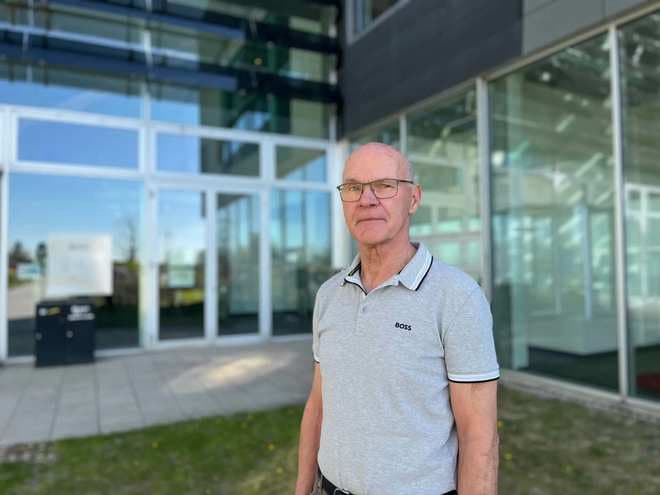
- One of Nordsøfonden's most important tasks is to support the maturation of the licenses and, not least, the business models that will form the basis for realizing the potential on commercial terms. As is often the case with new business areas, a lot must fall into place at the same time. Nordsøfonden will continue to work in collaboration with its partners to ensure that Denmark can exploit its potential for CO2 storage, says Christian Frigast.
amp
Text, graphics, images, sound, and other content on this website are protected under copyright law. DK Medier reserves all rights to the content, including the right to exploit the content for the purpose of text and data mining, cf. Section 11b of the Copyright Act and Article 4 of the DSM Directive.
Customers with IP agreements/major customer agreements may only share Danish Offshore Industry articles internally for the purpose of handling specific cases. Sharing in connection with specific cases refers to journaling, archiving, or similar uses.
Customers with a personal subscription/login may not share Danish Offshore Industry articles with individuals who do not themselves have a personal subscription to Danish Offshore Industry.
Any deviation from the above requires written consent from DK Medier.