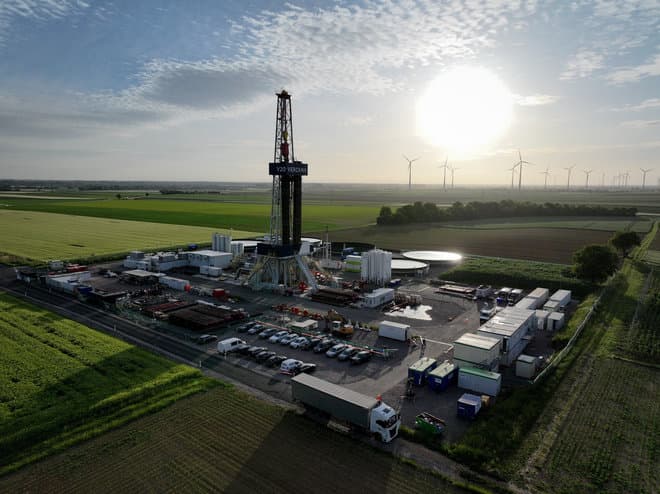
Thanks to favorable conditions in the underground, Denmark may be on its way to a new business adventure on Wednesday. This is shown by an analysis from the think tank Kraka. Here, the oil companies Ineos and Wintershall Dea will start storing CO2 in a depleted oil field in the Danish part of the North Sea.
Capturing, transporting and storing CO2 in the underground - also called CCS - can result in up to 9,000 Danish jobs, the analysis shows.
The figure is calculated based on the assumption that Denmark will occupy five percent of the European market for CO2 storage. This has an economic potential of 50 billion DKK.
Ten percent of the market share can provide 17,000 jobs, the analysis shows. The hope is that Denmark can also store CO2 for neighboring countries such as Germany and Poland.
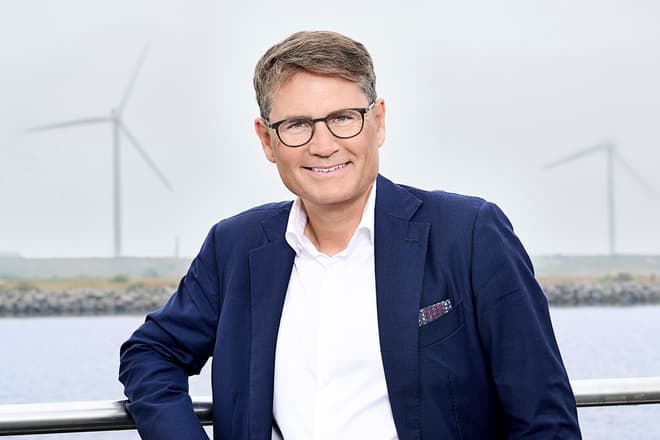
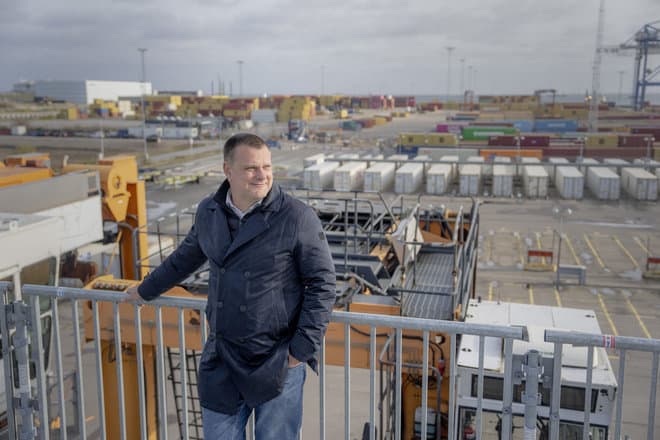
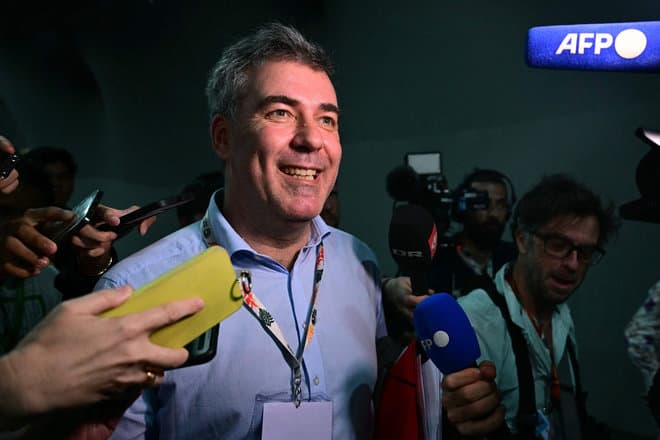
- With the storage of the first CO2 in the Danish underground, we in Denmark are moving right into the leading field in the world. We are pleased that we have all the prerequisites to create a new industry with thousands of jobs on the back of the experience we have gained in the North Sea over the past 50 years, says Mads Gade, CEO of INEOS Denmark, according to a press release.
Testing begins on Wednesday
The British oil company INEOS is behind the first CO2 storage in Denmark together with the German Wintershall Dea. The project has been named Project Greensand.
Crown Prince Frederik will kick things off on Wednesday. This happens 50 years after his father, Prince Henrik, officially opened Denmark's production of oil and gas, writes Jyllands-Posten.
Now the oil fields will instead be used to reverse climate change in the world and send CO2 back into the fields. Part of the solution to the world's climate challenges lies in storing CO2. The Danish subsoil, with its many reservoirs in the North Sea, is well suited to storing CO2.
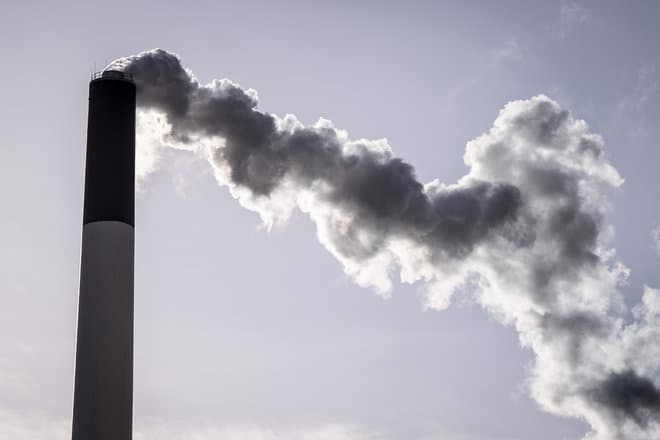
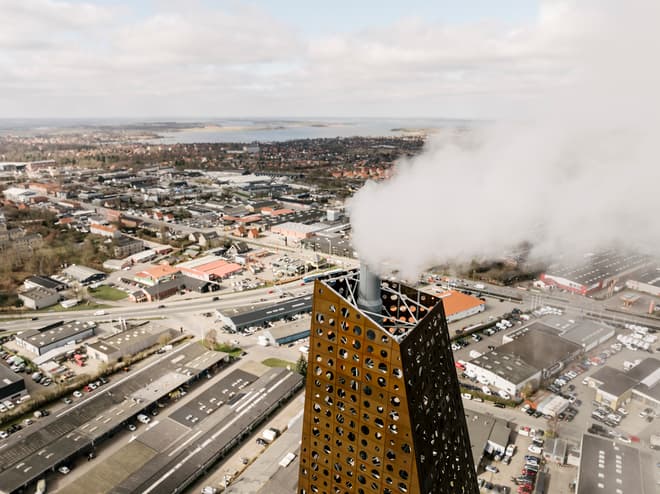
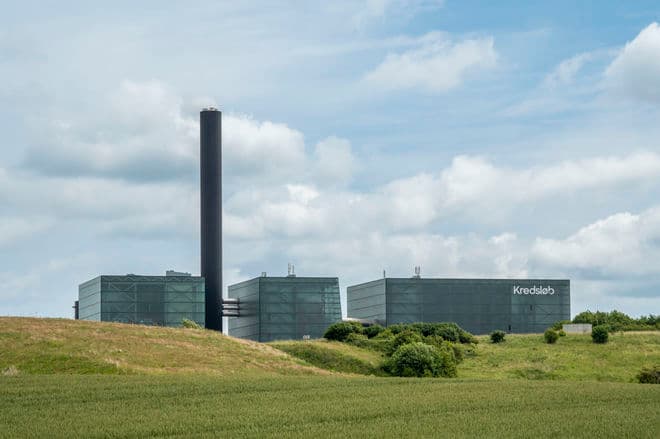
Specifically, this is done by capturing CO2, for example from the smoke from an incineration plant. It is then converted into a liquid and subsequently sent underground via wells more than 1,800 meters below the seabed.
/ritzau/
Text, graphics, images, sound, and other content on this website are protected under copyright law. DK Medier reserves all rights to the content, including the right to exploit the content for the purpose of text and data mining, cf. Section 11b of the Copyright Act and Article 4 of the DSM Directive.
Customers with IP agreements/major customer agreements may only share Danish Offshore Industry articles internally for the purpose of handling specific cases. Sharing in connection with specific cases refers to journaling, archiving, or similar uses.
Customers with a personal subscription/login may not share Danish Offshore Industry articles with individuals who do not themselves have a personal subscription to Danish Offshore Industry.
Any deviation from the above requires written consent from DK Medier.