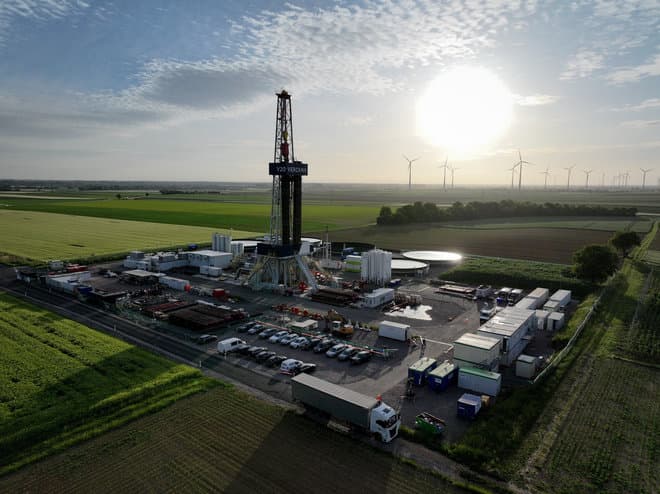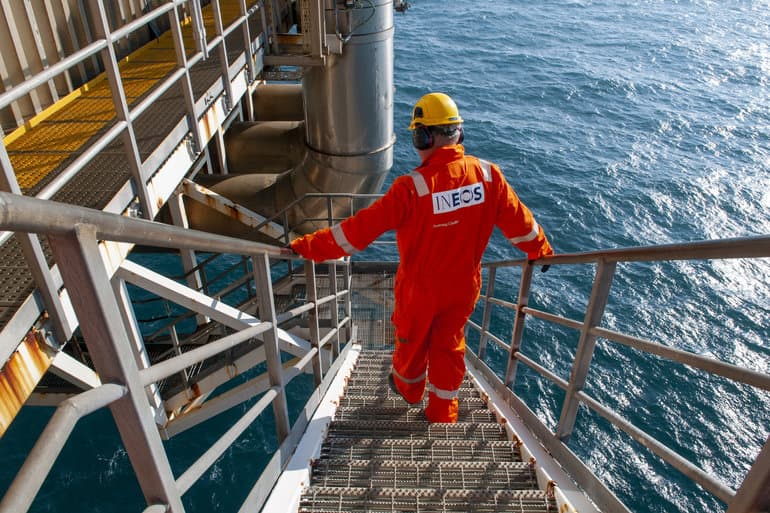
An important step is now being taken in the name of the climate on a depleted oil field more than 200 kilometers out in the North Sea. For many years, oil has been lifted from the underground at the Nini West field west of Esbjerg, but now CO2 will instead be sent the other way.
At the beginning of 2023, the first storage of CO2 in the Danish underground will take place. The process is called CCS and is an important piece in achieving Denmark's climate goals.
The storage is part of the Greensand pilot project, which is the first of its kind in Europe. Behind it is a consortium led by the oil company Ineos.
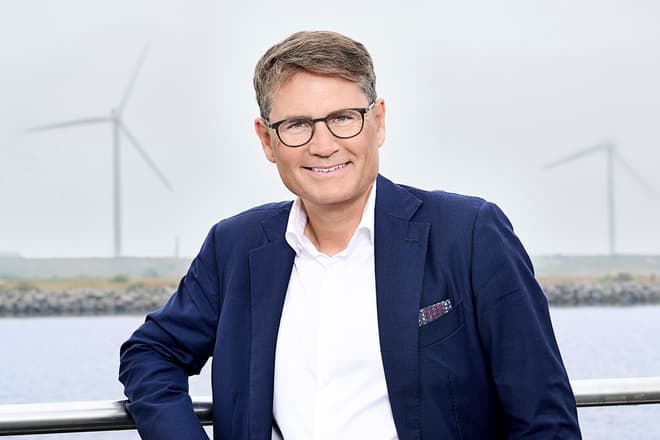
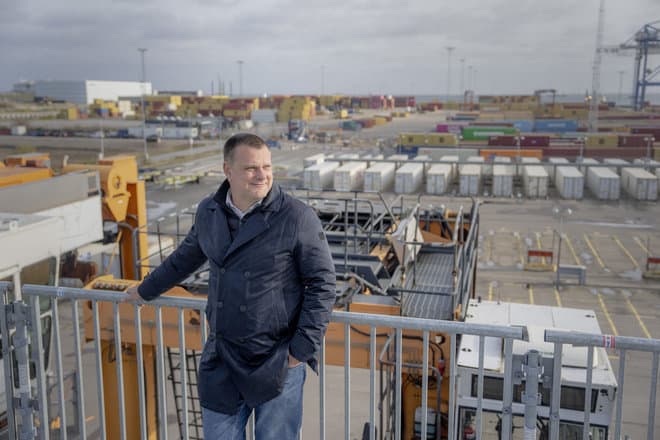
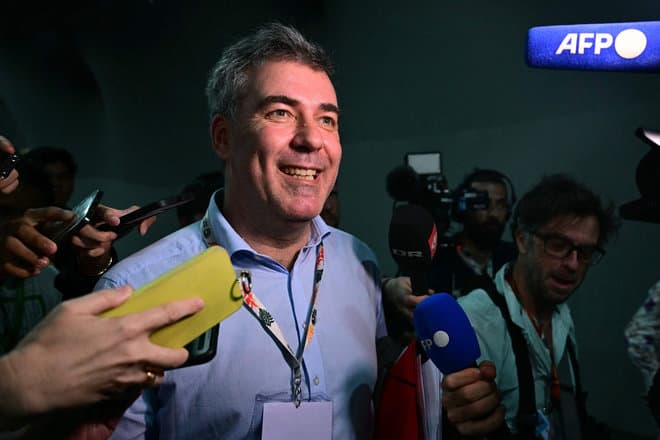
- CCS is a really good, fast and effective way to reduce CO2 emissions into the atmosphere. I also see a good opportunity for Denmark to once again be a pioneer for green solutions and to maintain jobs, explains Mads Gade, head of Ineos in Denmark.
Professor: It makes sense to start large-scale testing
Both the UN's climate panel and the Climate Council, which advises the government, have pointed out that storage can contribute significantly to CO2 reduction. According to Brian Vad Mathiesen, professor of energy planning at Aalborg University, it makes sense that it is now tested on a large scale:
- It is clear that if you want CO2 reductions, there are things that are cheaper than having to capture CO2 and get it underground. Because there are a lot of costs associated with that. Conversely, you can say that if we don't get it tested and started, it is difficult to see that we will reach some places. The crucial thing now is to see if it succeeds to the extent planned, he says.
The goal for Greensand is that from 2025 up to 1.5 million tons of CO2 can be stored underground per year and up to 8 million tons annually in 2030. That is about one sixth of Denmark's annual CO2 emissions, and it will be possible to fill up for 15 years - maybe more:
- And there are several potential projects in the North Sea, so we are talking about large volumes, says Mads Gade from Ineos.
Praise to the state
He points out that the state has been visionary in helping the industry get started. Greensand is supported by the Danish state through the Energy Technology Development and Demonstration Programme (EUDP).
- We have the storage potential in the North Sea. But there is also a need for some of the large emitters to install capture plants. Before some CO2 is captured, we cannot store it. We are in a good place, but everyone needs to get out of the starting holes, he says.
A majority in the Danish Parliament has reached an agreement on CCS, which from 2025 will result in reductions of 0.4 million tonnes of CO2 per year. In the pilot project, Greensand is allowed to store up to 15,000 tons of CO2 - that is, only a small part - until April 1st to test and demonstrate the storage.
According to Henrik Sulsbrück, head of department at the Danish Energy Agency, it is the first permit of its kind in Denmark.
- Greensand's pilot project is therefore an important step in developing the methods and technology for cost-effective and environmentally and safely sound CO2 storage in Denmark, he says in a press release.
Denmark has a goal of CO2 emissions in 2030 being 70 percent lower than in 1990. Agreements have been made that show three-quarters of the way. The final part must be borne by agriculture.
/ritzau/
Text, graphics, images, sound, and other content on this website are protected under copyright law. DK Medier reserves all rights to the content, including the right to exploit the content for the purpose of text and data mining, cf. Section 11b of the Copyright Act and Article 4 of the DSM Directive.
Customers with IP agreements/major customer agreements may only share Danish Offshore Industry articles internally for the purpose of handling specific cases. Sharing in connection with specific cases refers to journaling, archiving, or similar uses.
Customers with a personal subscription/login may not share Danish Offshore Industry articles with individuals who do not themselves have a personal subscription to Danish Offshore Industry.
Any deviation from the above requires written consent from DK Medier.