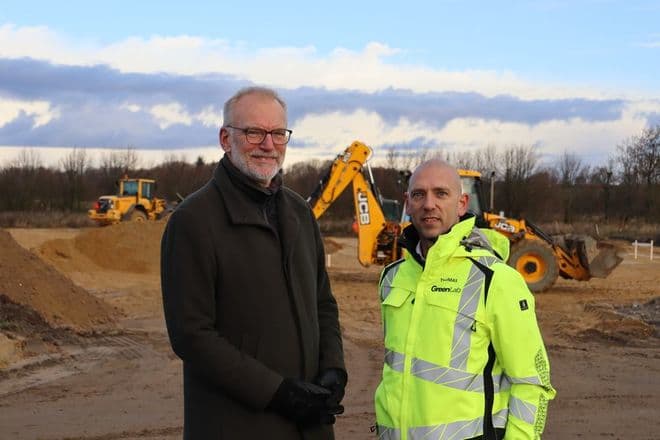
At the beginning of March, the signal will be given that Danish companies can start storing CO2 in the Danish underground for the first time. This is part of the Greensand project, which is being led by the companies Ineos and Wintershell Dea.
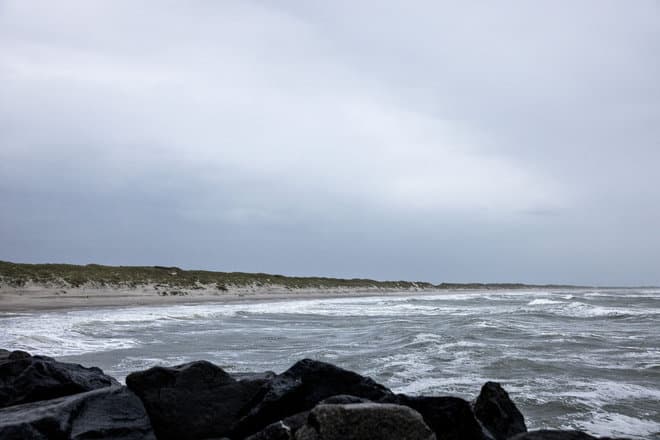
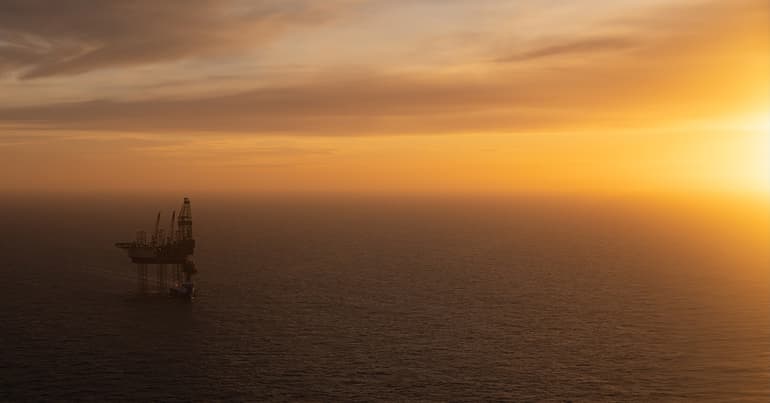
Storage of CO2 in the Danish part of the North Sea will begin on March 8. This will happen when the Crown Prince gives the signal to reverse traffic in the North Sea pipelines - 50 years after Prince Henrik opened the production of oil and gas from the Danish North Sea. they write in a press release on Thursday afternoon.
The goal for Greensand is that from 2025 up to 1.5 million tons of CO2 can be stored underground per year and up to eight million tons annually in 2030. That alone is about one sixth of Denmark's annual CO2 emissions, and it will be possible to fill up for 15 years.
Since the Danish Parliament passed the Climate Act in the previous election period, storing CO2 underground has been an important part of achieving Denmark's climate goals.
The process is called CCS, and it consists of capturing the CO2 that is emitted and then pumping it underground. This is explained by Niels Schovsbo, senior researcher at the Geological Survey of Denmark and Greenland (Geus).
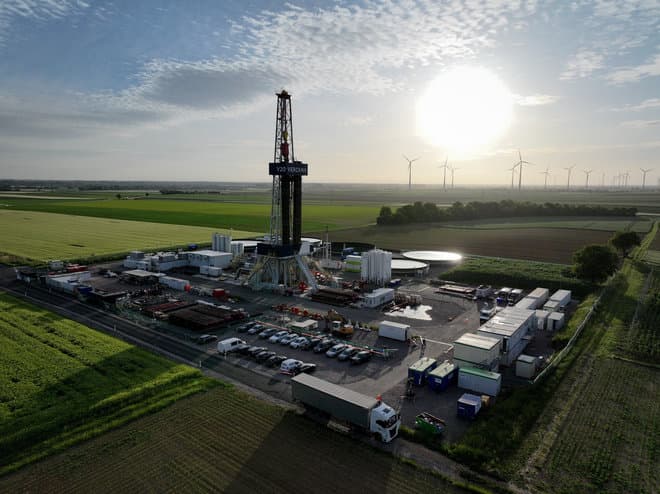
- You find pockets in the subsoil - also called a reservoir - that are covered by a dense rock. Then you seal the CO2 so that it cannot rise again, he says.
There is a risk that the CO2 will rise again, but in connection with CO2 storage in the subsoil, a lot of preparatory work is always done to reduce the risk of leakage.
- We know that the subsoil has a nature that makes it possible to store the CO2 for very long periods. We are talking about thousands of years or even millions of years, says the senior researcher.
In addition, the storage of CO2 must be monitored continuously to ensure that it behaves as it should in the underground.
It was Minister of Climate, Energy and Utilities Lars Aagaard (M) who, at the beginning of February, granted the first permits for companies to start storing CO2 in the Danish underground.
TotalEnergies has also been granted permission to start storage. With the Bifrost project, TotalEnergies expects to be able to store more than five million tons of CO2 per year from 2030, and the company is investigating the possibility of expanding.
/ritzau/
Text, graphics, images, sound, and other content on this website are protected under copyright law. DK Medier reserves all rights to the content, including the right to exploit the content for the purpose of text and data mining, cf. Section 11b of the Copyright Act and Article 4 of the DSM Directive.
Customers with IP agreements/major customer agreements may only share Danish Offshore Industry articles internally for the purpose of handling specific cases. Sharing in connection with specific cases refers to journaling, archiving, or similar uses.
Customers with a personal subscription/login may not share Danish Offshore Industry articles with individuals who do not themselves have a personal subscription to Danish Offshore Industry.
Any deviation from the above requires written consent from DK Medier.