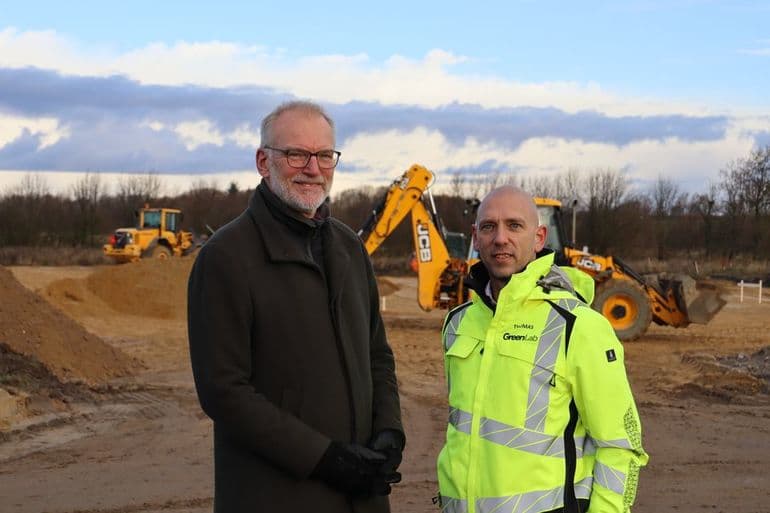
The excavators are in full swing at the GreenLabs industrial park near Skive.
Here, Organic Fuel Technology (OFT) and the WaveFuels consortium are building the world's first full-scale plant of its kind: a microwave-based pyrolysis plant that can make green fuel and climate-friendly biochar from waste streams such as sewage sludge.
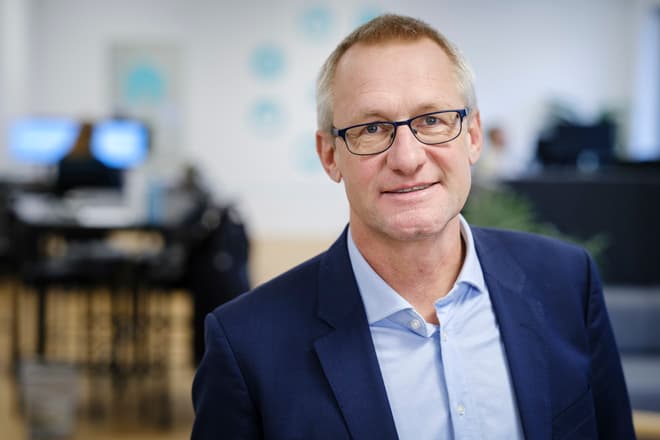
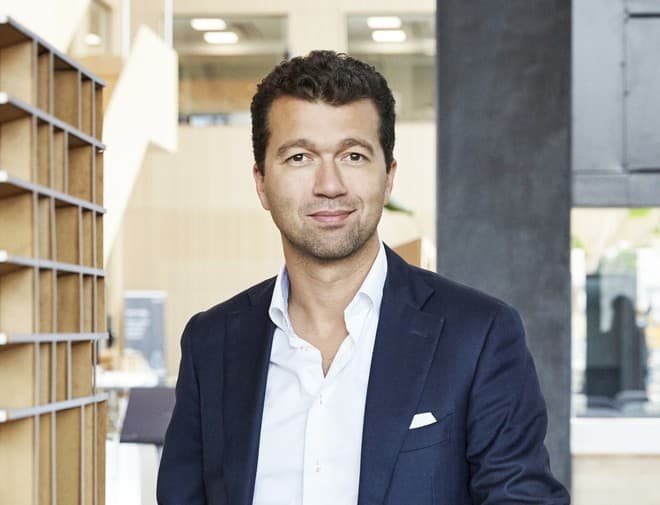
- Basically, we are building the world's largest microwave of its kind for converting sewage sludge and other organic waste into oil and biochar. The goal is that what is normally a troublesome waste problem can be turned into valuable, green products, says Jens Henrik Haahr, CEO of Organic Fuel Technology.
More specifically, the heart of the technology will consist of three large reactors with microwave ovens with a total output equivalent to approximately 120 kitchen microwave ovens.
From waste to fuel and CO2 storage
Microwave technology functions as a super-fast form of pyrolysis, where microwaves heat biomass very efficiently using green electricity.
When, for example, sewage sludge is treated in the plant, it is split into bio-oil and biochar. The bio-oil can later be used as fuel in heavy transport such as ships, while the bio-char can be stored in the ground and improve the quality of the soil.
The technology thus replaces fossil oil and at the same time removes CO2 from the atmosphere.
- If we can make oil and charcoal from the organic material we already have in our cycle, instead of digging up new oil and charcoal from the ground, then we will reduce the climate effect. At the same time, we will get a solution to a waste problem that wastewater companies and society are struggling with today, says Jens Henrik Haahr.
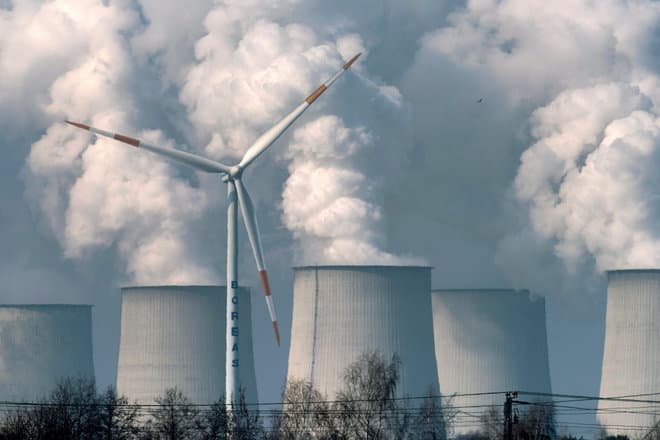
The entire process in the WaveFuels plant runs on electricity and thus on the green power produced in GreenLab.
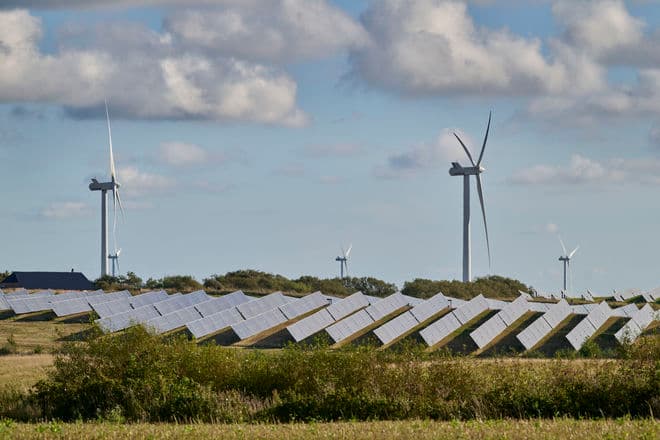
- In GreenLab, we are connected directly to wind turbines, solar cells and heating and battery systems. This makes the facility even more climate-friendly and shows how the industrial cluster can support new technology in practice, explains Jens Henrik Haahr.
ap
Text, graphics, images, sound, and other content on this website are protected under copyright law. DK Medier reserves all rights to the content, including the right to exploit the content for the purpose of text and data mining, cf. Section 11b of the Copyright Act and Article 4 of the DSM Directive.
Customers with IP agreements/major customer agreements may only share Danish Offshore Industry articles internally for the purpose of handling specific cases. Sharing in connection with specific cases refers to journaling, archiving, or similar uses.
Customers with a personal subscription/login may not share Danish Offshore Industry articles with individuals who do not themselves have a personal subscription to Danish Offshore Industry.
Any deviation from the above requires written consent from DK Medier.