There is a significant risk that Denmark will not reach the target of 70 percent. CO2 reduction in 2030. This is apparent from the Climate Council's status report for 2026, which indicates, among other things, that the recently concluded CCS tender will probably deliver fewer reductions than expected.
According to the Climate Council, the outcome of the DKK 28.7 billion CCS pool, where there were only two bidders, means that the contribution to CO2 reductions will be smaller than expected. This increases the uncertainty about whether the 2030 target can be met.
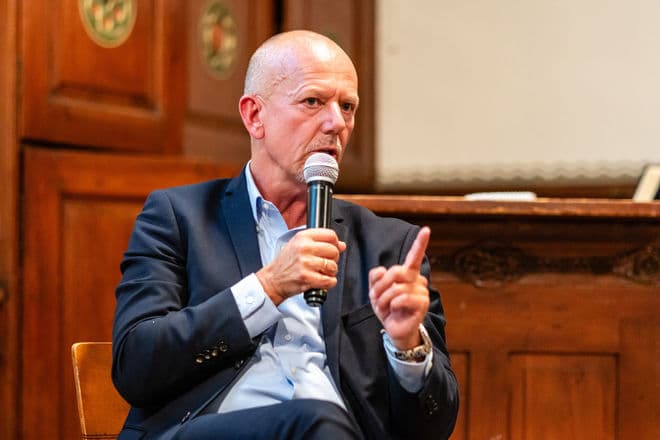
- CCS is one of the important climate solutions in the coming decades. However, when it comes to the 2030 target, CCS will deliver fewer reductions than the government has previously expected. We can already see this now, says the Climate Council's representative, Peter Møllgaard, in connection with the publication of the status report.
In a press release issued in response to the Climate Council's status report, Danish District Heating states that technology should continue to play a significant role in climate work - also after 2030. Danish District Heating points out that there is still significant potential in capturing and storing CO2 in Denmark, but that it requires action from both the sector and the authorities to get the projects realized.
- There is still a very large climate potential in capturing and storing CO2 in Denmark. Even though the recently concluded tender did not end as we had hoped, with close competition among the prequalified companies, the future is green, says Kim Mortensen, director of Danish District Heating, the trade association for the country's district heating companies and waste-to-energy plants. And he continues:
- There is therefore now a binding task for the sector and the authorities to find out how we can unleash the potential so that CCS can contribute to climate goals and CO2 reductions.
According to the industry association, CCS can be established at waste-to-energy plants and biomass-fired CHP plants, where the technology can reduce emissions and in the long term deliver negative emissions. It should contribute to both the 2030 target and the long-term ambition of climate neutrality.
- Even though the CCS tender will not deliver entirely as expected, it is positive that with two bids a reasonable probability has been created that CCS will contribute significantly to our 2030 target, says Kim Mortensen.
amp