The EU is unprepared for worsening climate change and should increase investment in protecting member states' populations from the effects of floods, forest fires and extreme heat waves.
This is the message from the EU's Scientific Council on Climate Change on Tuesday.
Although the EU has ambitious targets to reduce greenhouse gases, efforts have been insufficient when it comes to adapting to the damage that climate change is already causing.
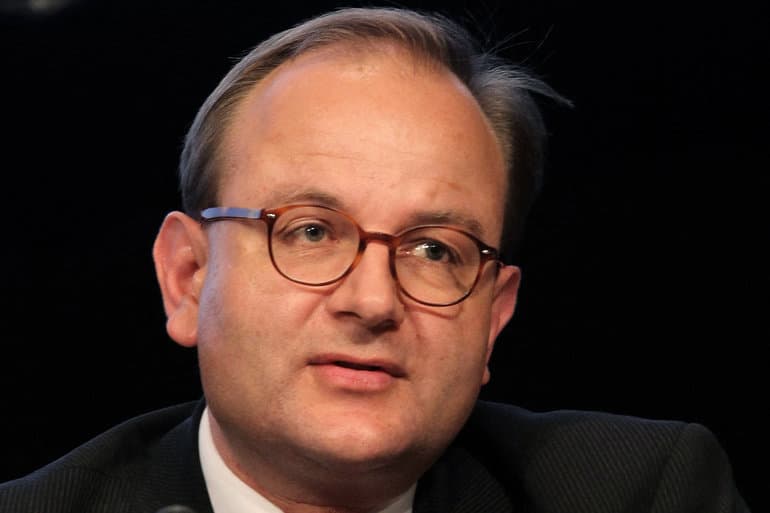
This is according to Ottmar Edenhofer, chairman of the advisory body.
- There is a lack of coherence, coordination and also budget, says Ottmar Edenhofer.
The value of the damage is increasing
Climate change and extreme weather phenomena cause 45 billion euros in damage to European infrastructure and buildings annually, according to EU data. This corresponds to 335 billion kroner. The value of the damage is five times higher than in the 1980s.
If the EU does not prepare for the effects of climate change, it will, according to the advisory body, worsen the EU's competitiveness, strain public budgets and lead to increased security risks.
According to the EU's Scientific Council on Climate Change, policies should therefore be developed that help people and businesses adapt to the new reality.
This should be done by ensuring that no construction is carried out in areas at risk of flooding, supporting drought-stricken farmers and developing urban design that contributes to cooling cities.
Another crucial point is that there is investment in public warning systems that can warn faster than today.
The EU should also consider the possibility of establishing insurance at EU level, the advisory body believes. This is because only a quarter of the current climate-related damage in the EU is insured.
The EU Commission will present a new climate resilience strategy later this year.
The EU's Scientific Council on Climate Change recommends that the EU, across all member states, prepare for a temperature increase of 2.8 to 3.3 degrees by the year 2100.
The average temperature on Earth is already 1.4 percent higher than before industrialization.
/ritzau/Reuters
Text, graphics, images, sound, and other content on this website are protected under copyright law. DK Medier reserves all rights to the content, including the right to exploit the content for the purpose of text and data mining, cf. Section 11b of the Copyright Act and Article 4 of the DSM Directive.
Customers with IP agreements/major customer agreements may only share Danish Offshore Industry articles internally for the purpose of handling specific cases. Sharing in connection with specific cases refers to journaling, archiving, or similar uses.
Customers with a personal subscription/login may not share Danish Offshore Industry articles with individuals who do not themselves have a personal subscription to Danish Offshore Industry.
Any deviation from the above requires written consent from DK Medier.