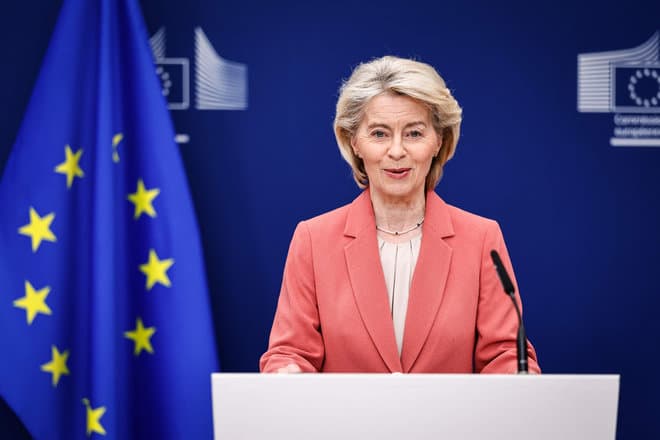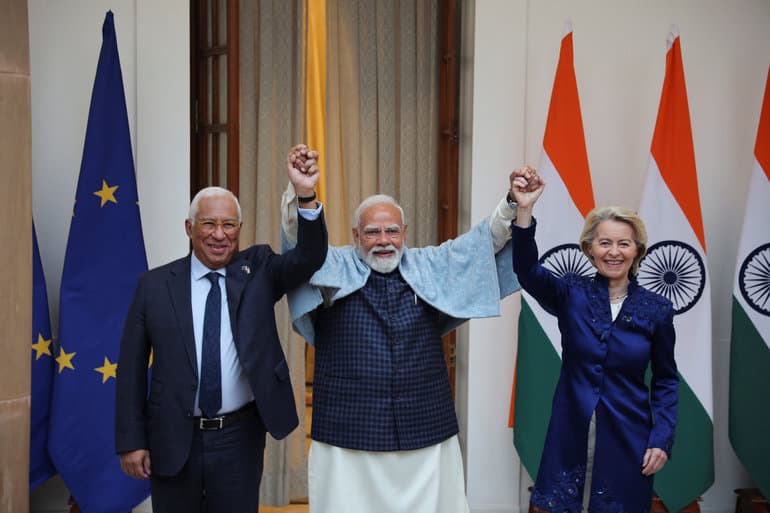
The EU and India have signed a historic trade agreement that will reduce or eliminate tariffs on a wide range of European products and create a free trade zone for two billion people. This is according to Indian Prime Minister Narendra Modi and EU Commission President Ursula von der Leyen.
- People all over the world call this the mother of all deals. This deal will create great opportunities for India's 1.4 billion people and for millions of people in Europe, says Narendra Modi according to Reuters.
The Indian Prime Minister further says that the EU and India together represent a quarter of the world economy.
Ursula von der Leyen describes the deal as historic on the social media X.
- We have created a free trade zone for two billion people, from which both parties benefit. This is just the beginning, writes von der Leyen.
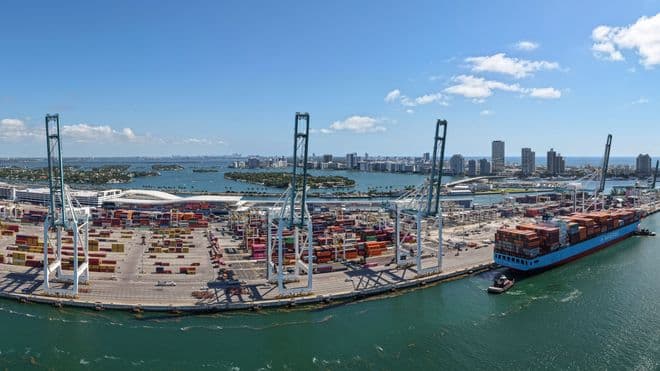
The deal means that tariffs will be reduced or eliminated on 97 percent of all goods exported from Europe to India. Trade between India and the 27 countries of the EU had a total value of 136.5 billion dollars in the most recent financial year to March 2025. This corresponds to 861 billion kroner.
Negotiations between the EU and India have been ongoing for almost two decades. Shortly after the New Year, the President of the EU Commission also concluded a trade agreement with the South American Mercosur countries. This agreement was 26 years in the making.
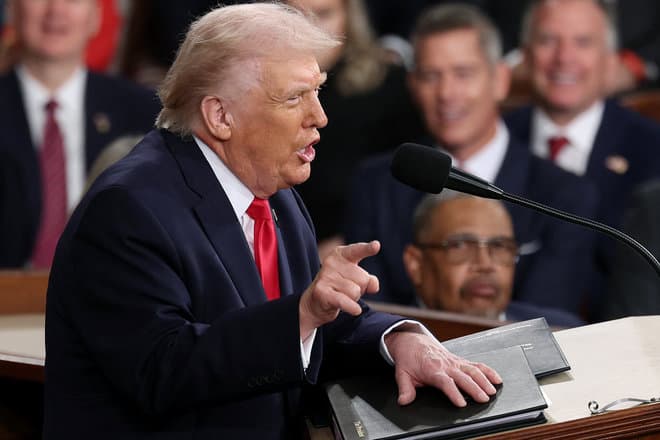
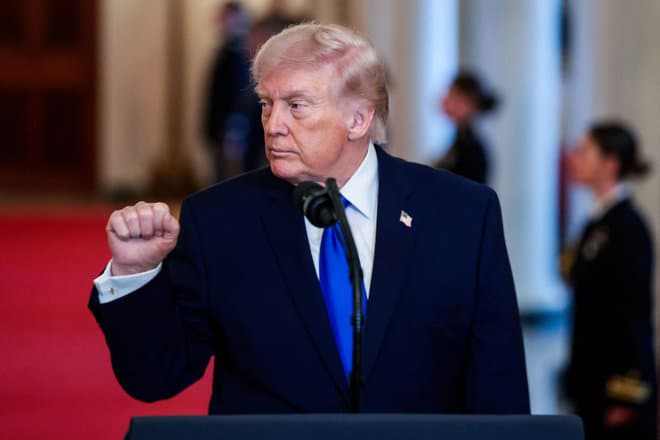
Last week, Von der Leyen described the upcoming trade agreement with India as strategically important, after US President Donald Trump imposed import tariffs on goods from both India and the EU.
Positive reactions from organisations
The CEO of the Confederation of Danish Industry, Lars Sandahl Sørensen, writes in a comment that it is crucial that the EU opens new doors when others are closed.
- It is absolutely crucial for both the EU and India to become less dependent on a few large markets such as the US and China. Companies want to spread the risk and have opportunities in more markets. That is why India is becoming an indispensable partner for Europe, says Lars Sandahl Sørensen.
At Dansk Erhverv - another of the business sector's trade organizations - Michael Bremerskov Jensen, head of global market development, points out that India has traditionally been a protectionist market.
- However, this means that the agreement could really make a big difference for Danish companies, which have traditionally had difficulty gaining a foothold in India, says Michael Bermerskov Jensen in a written comment. When we talk about large growth economies with which it is important for the EU to enter into agreements, India is actually right up there at the top, he states.
At Dansk Metal, the agreement also sees opportunities. The union points out that India is facing major investments in green transition and already has a green strategic cooperation with Denmark.
- An agreement for India could open up a wealth of opportunities for Denmark, whether it concerns our strong green companies, medicine or the emerging defense industry. The agreement is synonymous with good jobs in Production Denmark, says Johan Moesgaard Andersen, EU manager at Dansk Metal.
A binding agreement between India and the EU must be approved by the EU countries and the European Parliament. Most recently, the European Parliament has kicked the important trade agreement with the Mercosur countries in South America into the corner. Now the EU needs to step on the accelerator and get the agreement with India through as quickly as possible, is the call from Dansk Metal.
- Denmark is dependent on a strong Europe in the world. Therefore, there must be a crystal-clear call to Europe's decision-makers to get the ball over the finish line quickly,” says Johan Moesgaard Andersen.
The EU Commission President expects that EU exports to India will double as a result of the new trade agreement.
/ritzau/Reuters/amp
Text, graphics, images, sound, and other content on this website are protected under copyright law. DK Medier reserves all rights to the content, including the right to exploit the content for the purpose of text and data mining, cf. Section 11b of the Copyright Act and Article 4 of the DSM Directive.
Customers with IP agreements/major customer agreements may only share Danish Offshore Industry articles internally for the purpose of handling specific cases. Sharing in connection with specific cases refers to journaling, archiving, or similar uses.
Customers with a personal subscription/login may not share Danish Offshore Industry articles with individuals who do not themselves have a personal subscription to Danish Offshore Industry.
Any deviation from the above requires written consent from DK Medier.