A majority in the Danish Parliament has agreed on a climate agreement with a decision in principle on a green tax reform with a CO2 tax, but the final details are still pending. It is therefore up to the government to prepare a proposal for a green tax reform and call for negotiations in the autumn.
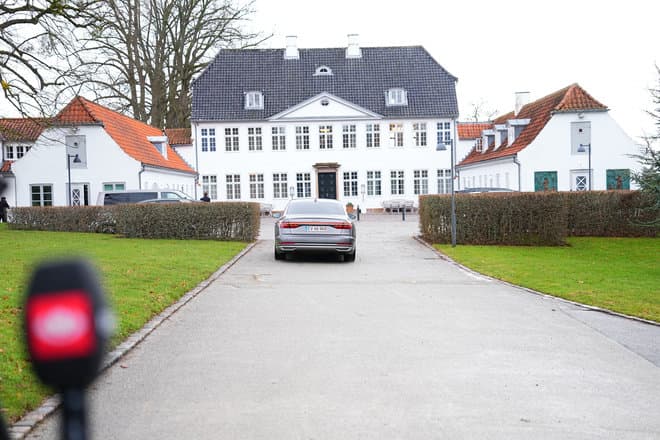
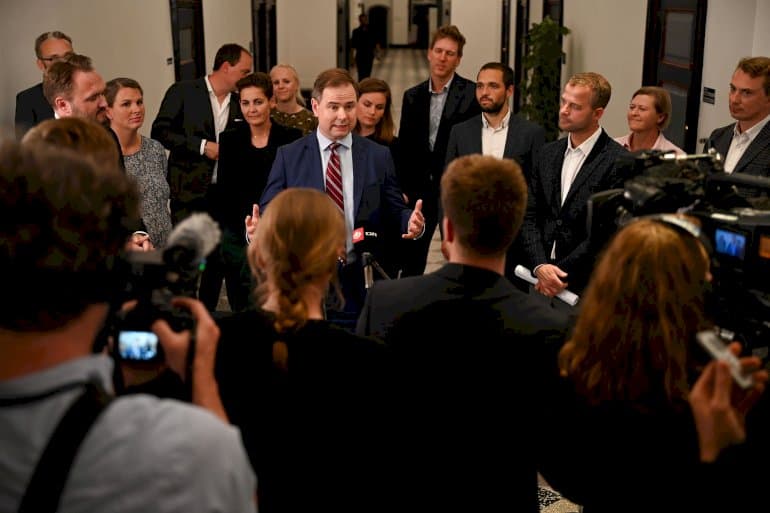
All parties in the Danish Parliament, minus the New Civic Party, are included in the agreement in the energy and industry areas. This means that the Liberal Alliance is also included, even though the party is not part of the climate law that was passed last Thursday. The negotiations took place at the Minister of Finance Nicolai Wammen (S).
- When the government took office a year ago, we promised the Danes that we would put the climate at the forefront and return to the green leadership. We are delivering some significant steps towards that today, he says.
CO2 tax to reduce emissions
The CO2 tax is one of the many elements that will help ensure that Denmark's goal of reducing CO2 emissions by 70 percent in 2030 compared to the level in 1990 becomes a reality.
The climate agreement with the CO2 tax came into place after almost eight hours of negotiations, which began on Sunday at 5 p.m. at the Minister of Finance. The issue of a CO2 tax has been a hot topic recently, with several parties advocating for it, while the government has initially been more lukewarm about the idea.
The Climate Council, which advises the government on climate issues, proposed in a report in March that a tax on greenhouse gases be introduced to reduce CO2 emissions. The agreement is the last major one in the climate field before the summer holidays. More agreements in the climate field will follow later.
Energy efficiency improvements, green electricity and more biogas
The agreement just concluded contains CO2 reductions of 3.4 million tonnes. The government's proposal was for two million tonnes. In order to achieve the Climate Act's target of a 70 per cent reduction in 2030, it is estimated that 19 million tonnes will need to be reduced. tons.
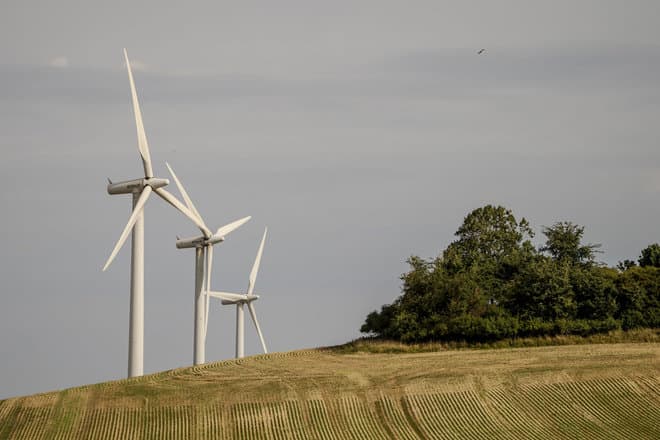
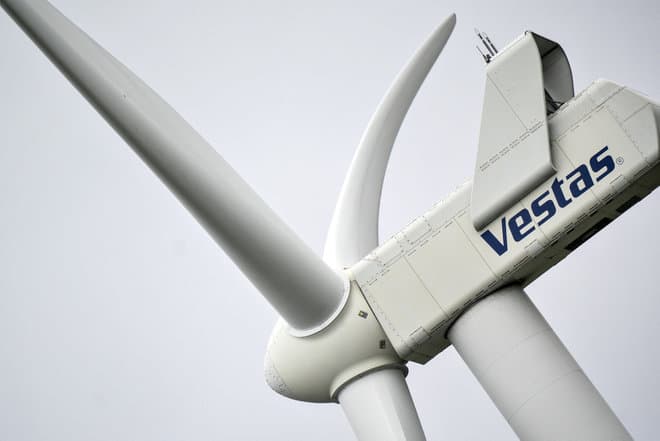
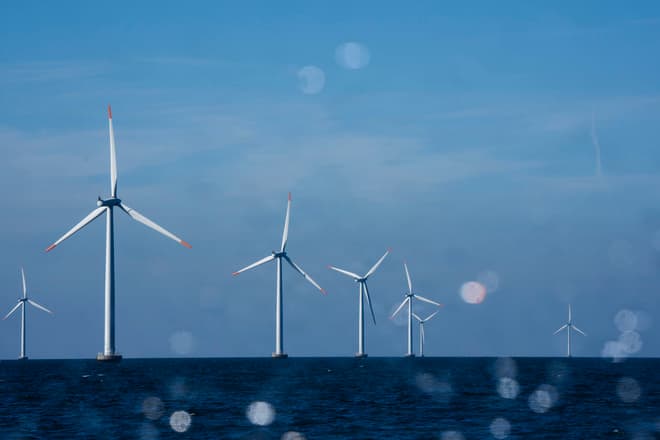
In addition, two energy islands with a total capacity of 5 GW will be established, according to the agreement. One on Bornholm and one on an artificial island in the North Sea. In addition, the establishment of an offshore wind farm of one GW at Hesselø will be brought forward.
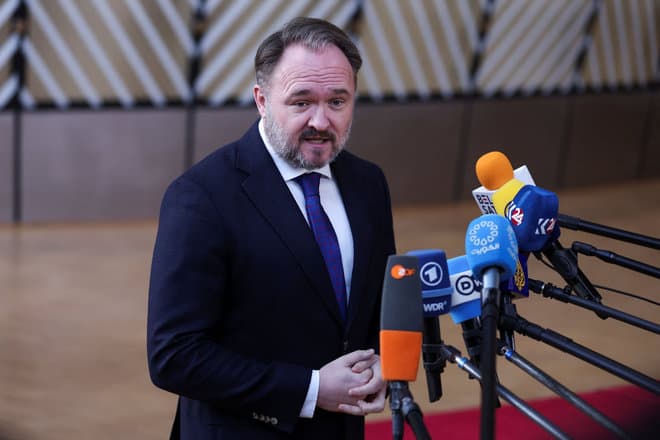
- With the establishment of the world's first two energy islands and the world's largest investment in green fuels, Denmark is seriously taking global climate leadership again, says Minister for Climate, Energy and Utilities Dan Jørgensen (S).
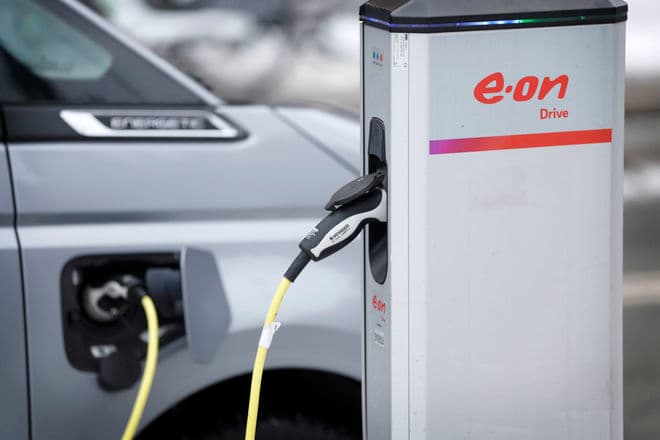
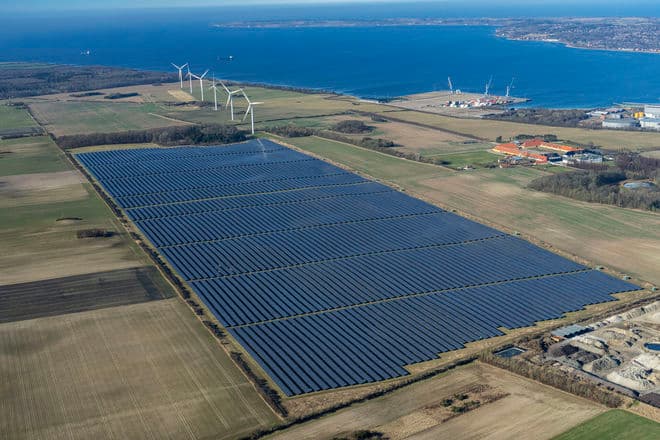
Overall, the agreement contains a number of elements. For example, individual oil and gas boilers are to be phased out. They are to be replaced with heat pumps and green district heating. More charging stations for electric cars are to be established, and the industry is to be converted. This will be done through energy efficiency improvements, green electricity and more biogas.
Ritzau
See the climate agreement's main elements:
- Green tax reform: As part of the agreement, a green tax reform will be considered after the summer holidays, which will include a CO2 tax.
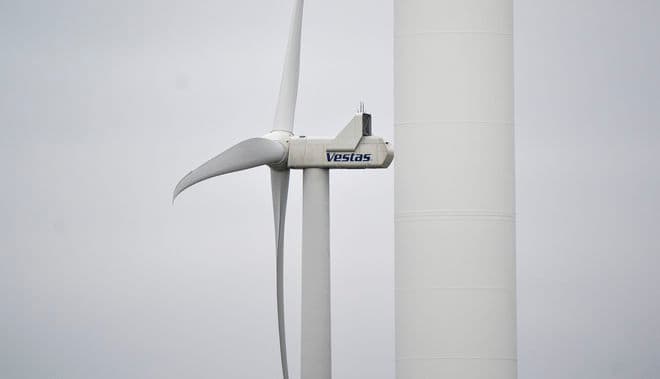
- More offshore wind: Denmark will begin the establishment of two energy islands by 2030. The two energy islands have a total capacity of five gigawatts. One at Bornholm of two gigawatts and one in the North Sea of three gigawatts.
- In addition, the establishment of the offshore wind farm called 'Park 2' of approximately one gigawatt at Hesselø is being brought forward. The total of six gigawatts of offshore wind is more than three times as much as Denmark's current amount of offshore wind.
- The energy islands will not only produce electricity, but will also in the long term be able to connect technologies that can store or convert the green electricity into green fuels. This technology is also called 'Power-to-X'.
- 800 million DKK will be allocated annually, phased in from 2024, for 'capture and storage' of CO2. The pool will result in reductions of 0.9 million. tons of CO2 per year in 2030.
- Green transition of industry: The agreement also contains initiatives that contribute to a green transition of industry through energy efficiency improvements, electrification and more biogas. Specifically, DKK 2.5 billion will be allocated from 2020 to 2030 in the form of a subsidy pool for electrification and energy efficiency in industry.
- At the same time, DKK 2.9 billion will be allocated until 2030 for biogas and other green gases, which are needed especially in industry, where green electricity cannot be used.
- Green heat for the Danes: Oil and gas must be phased out and replaced by green district heating or electric heat pumps. The agreement therefore includes a reduction in taxes on 'green electricity' for heating, as well as increased taxes on 'black heat'.
- Support is provided for the phasing out of oil and gas boilers and support for removing consumer ties to natural gas. Specifically, DKK 2.3 billion is allocated to replace oil and natural gas boilers with green heat. The heating package reduces greenhouse gas emissions by 0.7 million tons of CO2 in 2030.
- Green transport: The remaining funds from the pool for green transport will be brought forward to 2020 and 2021. In addition, an extra DKK 50 million will be allocated to DKK is targeted at, among other things, charging stations, but also heavy transport and ferries.
- The government will present a comprehensive sector action plan for transport after the 2020 summer holidays, according to the agreement.
Source: Ministry of Finance
Text, graphics, images, sound, and other content on this website are protected under copyright law. DK Medier reserves all rights to the content, including the right to exploit the content for the purpose of text and data mining, cf. Section 11b of the Copyright Act and Article 4 of the DSM Directive.
Customers with IP agreements/major customer agreements may only share Danish Offshore Industry articles internally for the purpose of handling specific cases. Sharing in connection with specific cases refers to journaling, archiving, or similar uses.
Customers with a personal subscription/login may not share Danish Offshore Industry articles with individuals who do not themselves have a personal subscription to Danish Offshore Industry.
Any deviation from the above requires written consent from DK Medier.