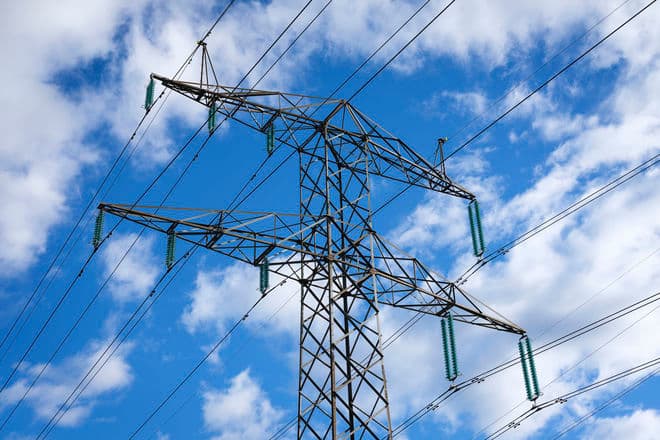
Electricity customers can look forward to a six-month period with lower electricity bills. From April 1, the country's grid companies will switch to summer tariffs, which will make it cheaper for the companies to transport electricity from the grid to consumers. Several of the country's electricity companies have stated this in press releases.
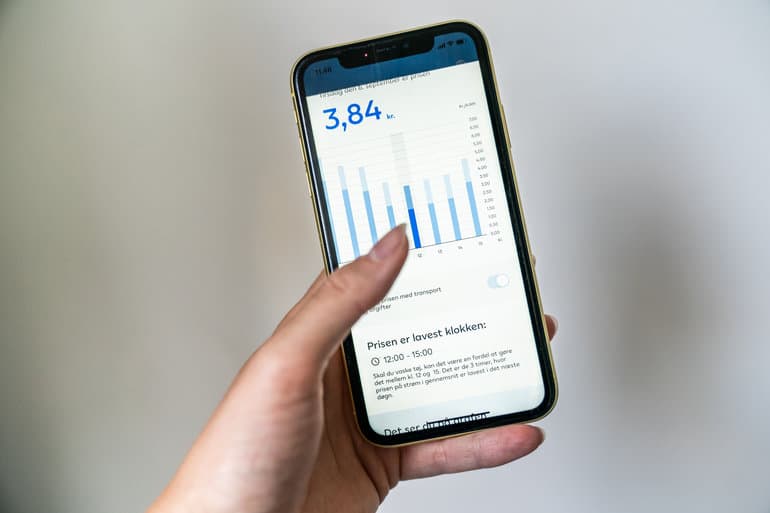
The summer half-year means more daylight hours and therefore lower electricity consumption, which lowers the price of grid tariffs. Grid tariffs are divided into time zones throughout the day, where prices are highest in the evening and lowest at night. This could mean that more customers can look forward to a halving of the price during the most expensive hours of the day.
The companies Norlys and NRGI, among others, are writing about the upcoming price drops per kilowatt-hour. The grid company Konstant, which is part of the NRGI group, reports a drop from 68.11 øre per kilowatt-hour to 29.51 øre per kilowatt-hour from 5 p.m. to 9 p.m.
The time period is also referred to as "the so-called peak season", when the load is greatest, and prices are therefore at their highest.
The electricity company N1, - part of Norlys - which supplies more than 815,000 electricity consumers, writes that their winter tariff is changing from 99 øre per kilowatt-hour to the summer tariff, which is falling to 43 øre per kilowatt-hour. According to NRGI, the transition to the summer tariff means that there is further money to save for electricity customers.
The transition to the summer tariffs comes in the wake of the electricity tax being changed. From January 1, 2026, the electricity tax was reduced from 90 øre to 1 øre per kilowatt-hour.
This means that the tax reduction is a saving of 3600 kroner annually for an average household that has an annual electricity consumption of 4000 kilowatt-hours, the company writes.
/ritzau/
Text, graphics, images, sound, and other content on this website are protected under copyright law. DK Medier reserves all rights to the content, including the right to exploit the content for the purpose of text and data mining, cf. Section 11b of the Copyright Act and Article 4 of the DSM Directive.
Customers with IP agreements/major customer agreements may only share Danish Offshore Industry articles internally for the purpose of handling specific cases. Sharing in connection with specific cases refers to journaling, archiving, or similar uses.
Customers with a personal subscription/login may not share Danish Offshore Industry articles with individuals who do not themselves have a personal subscription to Danish Offshore Industry.
Any deviation from the above requires written consent from DK Medier.