Havplan largely puts all open door projects on hold
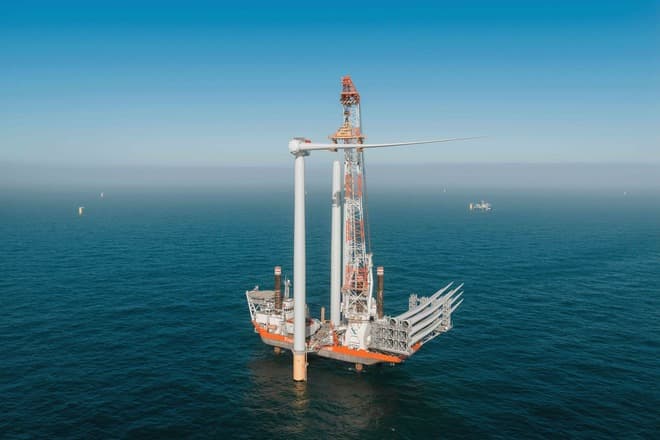
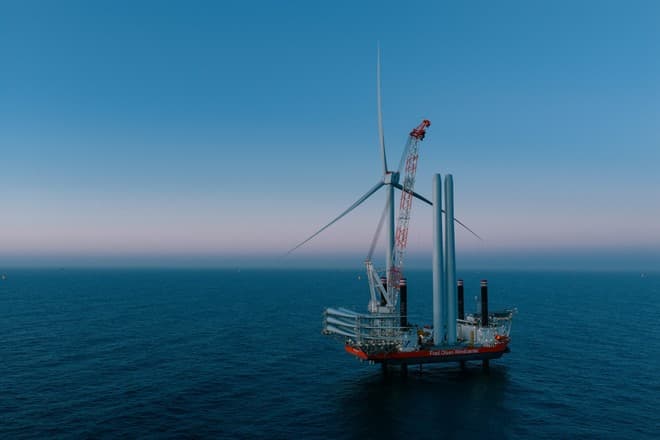
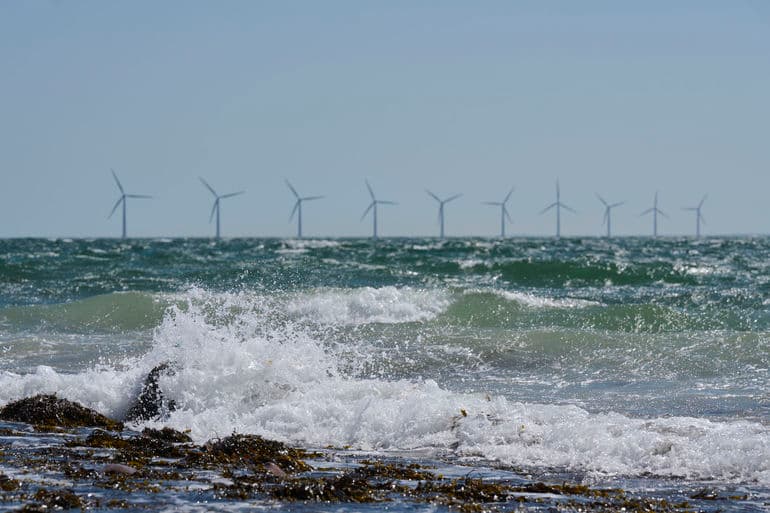
It hit the entire energy industry like a bolt from the blue when the so-called open door scheme for wind turbine projects was suspended in February, sending the future of 33 offshore wind projects with a total output of over 20 GW into the unknown. The reason was that the scheme was considered to be in breach of EU state aid rules.
Since then, a number of projects in the form of Jammerland Bugt Offshore Wind Farm, Lillebælt Syd Offshore Wind Farm, Omø Syd Offshore Wind Farm, Nordre Flint Offshore Wind Farm, Aflandshage Offshore Wind Farm and Frederikshavn Offshore Wind Farm have been allowed to continue work on developing the projects.
But until today, the future of 27 other open door projects was uncertain. But now the majority of these have been put to rest, as a result of the agreement on a marine plan, which a broad majority in the Danish Parliament agreed to on Wednesday.
The three additional projects that will be allowed to continue in an "adjusted open door scheme" are Vikinge Banke, Kadet Banke and Paludan Flak, totaling approximately 2.4 GW.
"The parties to the agreement note that the government is clarifying the detailed framework for the open door scheme, and that no new areas will be allocated for suspended commercial open door projects," the agreement text reads. The agreement, however, opens the possibility of finding a solution for a new market-driven scheme for renewable energy at sea.
"The agreement group also notes that there may be a need for further designation of specific areas for renewable energy as a result of a possible new market-driven scheme for renewable energy at sea. In this connection, consideration of other land interests, including the activities of the Danish Armed Forces and important fishing areas, will have to be weighed," it says.
- The situation today is different from when the scheme was rightly put on hold. Last week, we entered into the largest agreement in Danish history on offshore wind tenders, and we are now dedicating approximately 30 percent of the sea area to renewable energy. As for open door, we have already had six projects approved to proceed – and we will work on adjusting the scheme so that it can be used for the three open door projects included in the marine plan, says Minister of Climate, Energy and Utilities Lars Aagaard (M) in a statement.
Frustration from business organizations
In Wednesday's agreement, twice as much area will be set aside for the exploitation of energy at sea compared to previously, so 30 percent will be reserved for this purpose in the future, but that has not been enough to save most open door projects and this frustrates Green Power Denmark, which believes that this is "a huge failure by the government."
- That is completely unheard of. The government is slowing down a green industrial adventure, and it is betraying the trust of the companies that will invest in the future green transition, says Kristian Jensen, CEO of Green Power Denmark and continues:
- The government is using the negotiations on the marine plan to dump offshore wind farms one after another. We have listened to the government and been constructive in order to implement as many projects as possible. But the government has chosen to close 24 projects, and we will lose the production of at least 12 GW of green electricity, says Kristian Jensen.
The Danish Chamber of Commerce is also incomprehensible towards the closure of the many offshore wind projects.
- Closing offshore wind projects is the wrong way to go. Climate change waits for no one, and that is why we are also very surprised by today's decision that offshore wind turbines may not be erected on the areas where the majority of the open door projects were planned, says Deputy Director of the Danish Business Federation Ulrich Bang, who does not understand the government's prioritization.
- At the same time, support for an energy island of 17 billion DKK has been approved, which also takes a long time to establish. The open door scheme would have ensured subsidy-free green electricity, which could accelerate the green transition and make electricity cheaper for Danes. Today's decision is simply bad business sense, he says.
DI wants the government to find other solutions to provide more electricity.
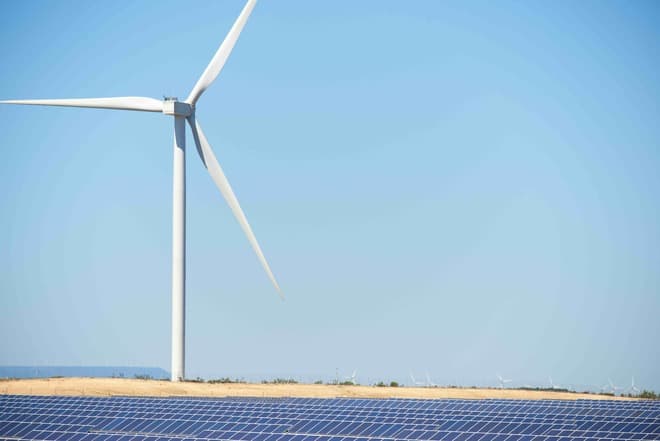
- The plans for expanding the offshore areas unfortunately also mean that many applications in the open door scheme will not become reality. We and the many companies are quite upset about this, so now the government must deliver on the historically large tender agreement for 9 GW of offshore wind from last week, and find other ways to get more renewable energy on land through wind turbines and solar cells, says Emil Fannikke Kiær, political director of DI.
Government tenders cannot stand alone
Last week, a historic agreement was reached on the tender for state-owned offshore wind farms. But they cannot stand alone, believes Green Power Denmark.
- The state tenders for offshore wind turbines cannot replace the open door scheme. We need rapid market-driven expansion if Denmark is to become a leading country in the production of green fuels. Here we cannot wait until the offshore wind farms, established after the government tender, are in operation in 2030. Because by that time other countries will have long been on the market for green hydrogen and green fuels for heavy transport, says Kristian Jensen.
In addition to the decision regarding the open door projects, Green Power Denmark is pleased about the new plan for Denmark's marine areas.
Text, graphics, images, sound, and other content on this website are protected under copyright law. DK Medier reserves all rights to the content, including the right to exploit the content for the purpose of text and data mining, cf. Section 11b of the Copyright Act and Article 4 of the DSM Directive.
Customers with IP agreements/major customer agreements may only share Danish Offshore Industry articles internally for the purpose of handling specific cases. Sharing in connection with specific cases refers to journaling, archiving, or similar uses.
Customers with a personal subscription/login may not share Danish Offshore Industry articles with individuals who do not themselves have a personal subscription to Danish Offshore Industry.
Any deviation from the above requires written consent from DK Medier.