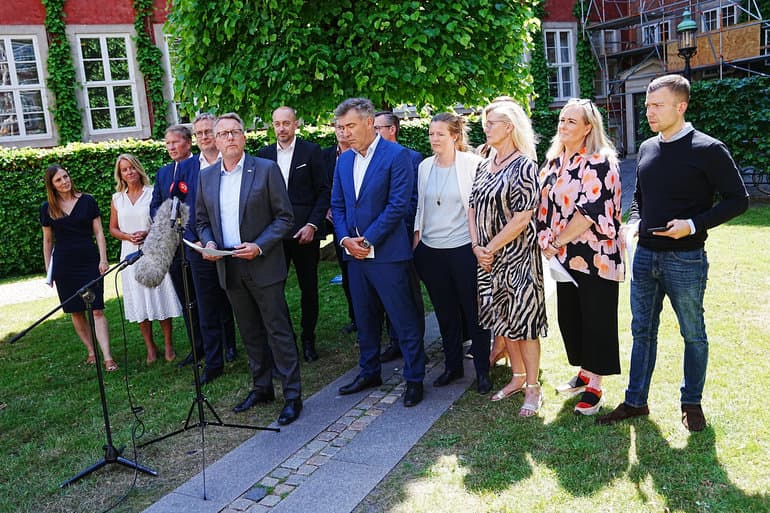
All parties in the Danish Parliament have reached an agreement on a new marine plan. In the agreement, the parties will increase the proportion of "strictly protected" natural areas at sea from around four percent of the sea area in the current agreement to eight percent in 2028 and ten percent in 2030. In total, 30 percent of the sea areas will be designated as "protected nature". This is stated in the agreement text from the Ministry of Business and Industry.
In sea areas that are categorized as "strictly protected", fishing, including bottom trawling and other gear, raw material extraction, dredging and renewable energy will be prohibited. Construction and maintenance of cables, pipes and wires on the seabed will still be permitted in strictly protected areas.
The Danish Society for Nature Conservation is pleased with the larger proportion of strictly protected marine nature, although they would like to see the effort begin sooner.
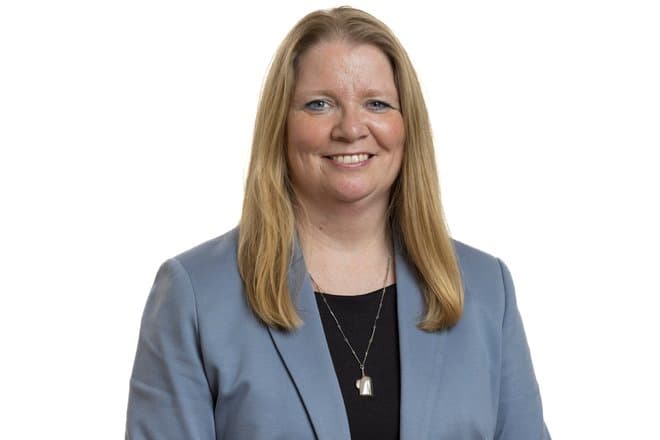
- It is incredibly important that the parties outside the government have pushed for 10 percent of the Danish sea to now be strictly protected, says Maria Reumert Gjerding, president of the Danish Society for Nature Conservation, in a press release.
Doubling of area for offshore wind turbines and energy islands
However, the organization is very disappointed with the situation of the remaining 20 percent, which is categorized as 'protected nature'. Here, the Danish Society for Nature Conservation fears that bottom trawling will continue to be an environmental problem.
- It is shocking that the marine plan allows fishing with bottom-trawling gear and other harmful activities in most 20 percent protected marine areas. It should be changed so that our seabed and marine nature are at least free from, among other things, destructive bottom trawling and mussel scraping in what we call protected seas, says Maria Reumert Gjerding in the announcement.
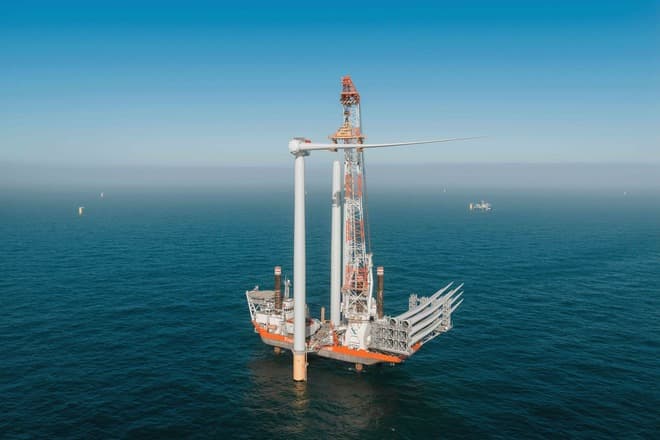
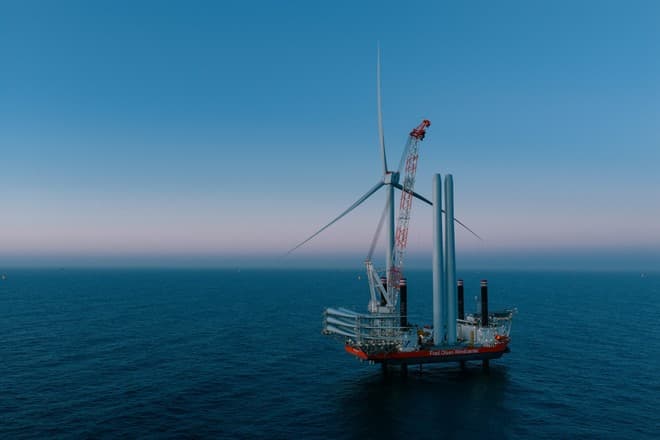
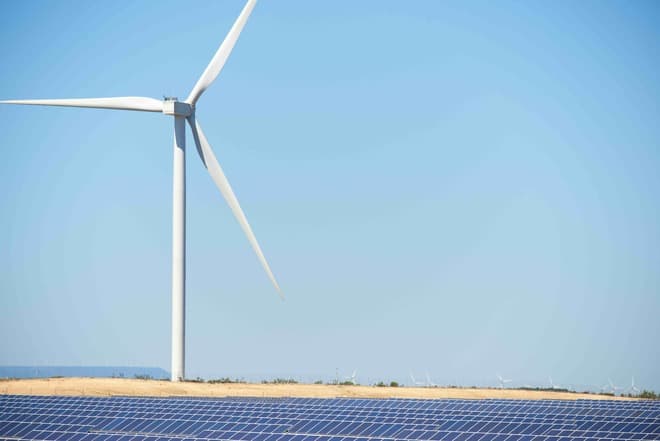
The new marine plan also includes a doubling of the area for offshore wind turbines and energy islands from 16 percent in the current marine plan to 30 percent in the new one. This brings joy to the business organization Green Power Denmark,
- This means that we can already start thinking about where we place offshore wind farms in the period after 2030. It is only a week ago that a broad majority entered into a historic agreement on up to 14 GW of offshore wind turbines. This is only the beginning of a long development, and it is great work by the parties that they have already agreed on a marine plan that points forward, says Kristian Jensen, CEO of Green Power Denmark, in a press release.
In addition, there is a pool of 75 million kroner for fisheries up to 2030, which "is intended to support the sustainable development of the Danish fishing industry".
/ritzau/
Text, graphics, images, sound, and other content on this website are protected under copyright law. DK Medier reserves all rights to the content, including the right to exploit the content for the purpose of text and data mining, cf. Section 11b of the Copyright Act and Article 4 of the DSM Directive.
Customers with IP agreements/major customer agreements may only share Danish Offshore Industry articles internally for the purpose of handling specific cases. Sharing in connection with specific cases refers to journaling, archiving, or similar uses.
Customers with a personal subscription/login may not share Danish Offshore Industry articles with individuals who do not themselves have a personal subscription to Danish Offshore Industry.
Any deviation from the above requires written consent from DK Medier.