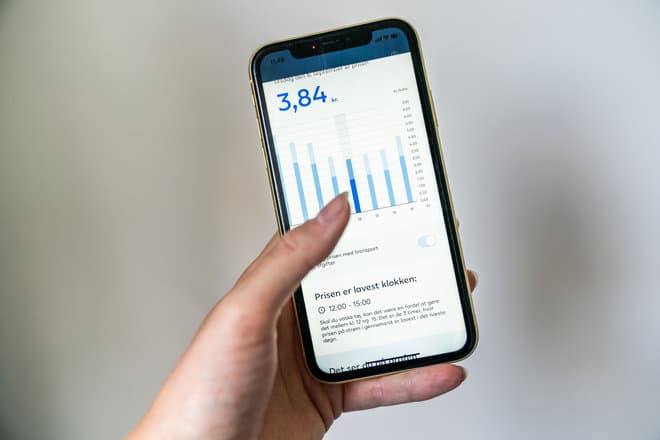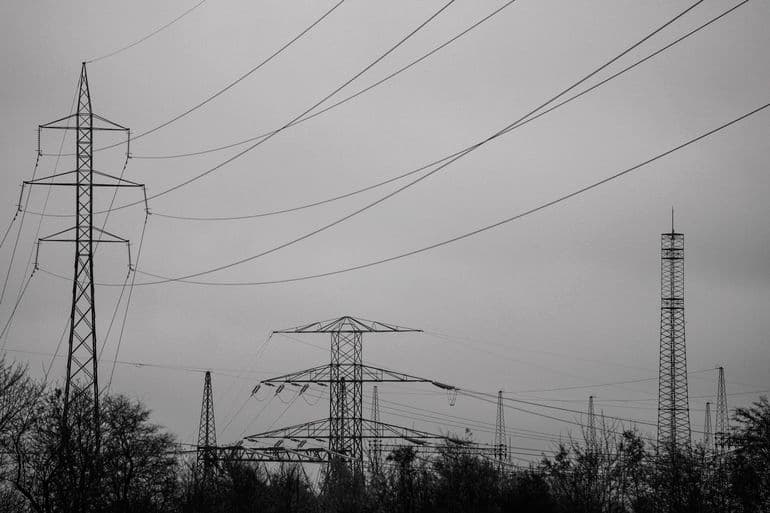
At the beginning of 2023, as a result of an agreement in the Danish Parliament, the Danes were able to rejoice that the electricity tax had been reduced to the EU minimum rate of 0.8 øre/kWh. But now the tax is back to 69.7 øre/kWh, and that is a far cry from Green Power Denmark, the spokesperson for the Danish energy sector.
In a catalogue of ideas with input for the 2024 Finance Act, phasing out the electricity tax is highest on the business organization's wish list.
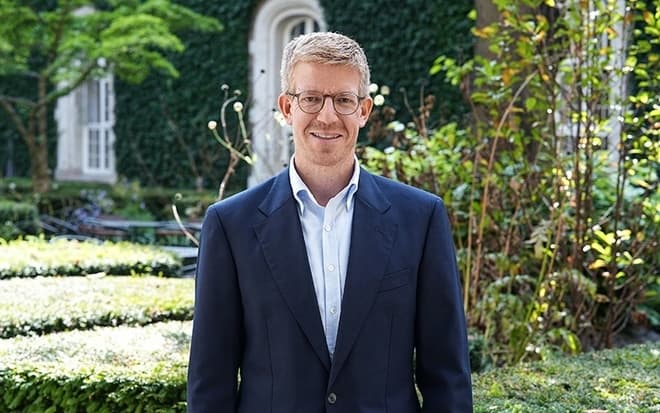
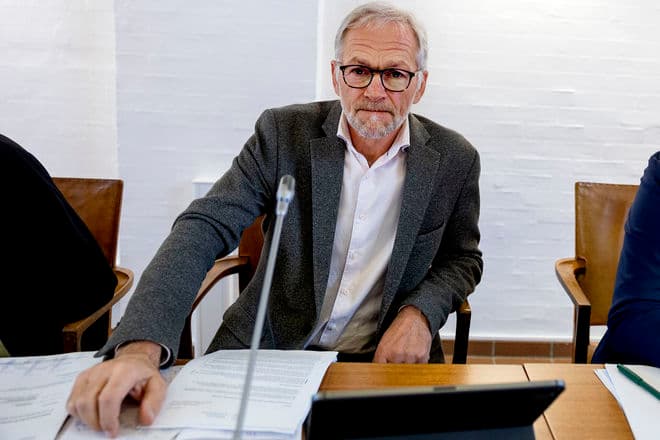
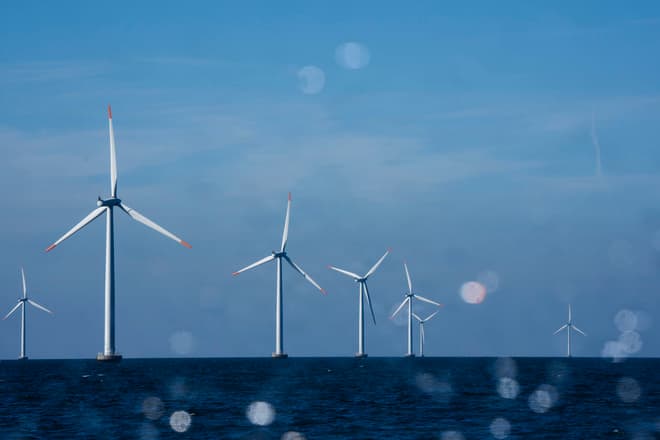
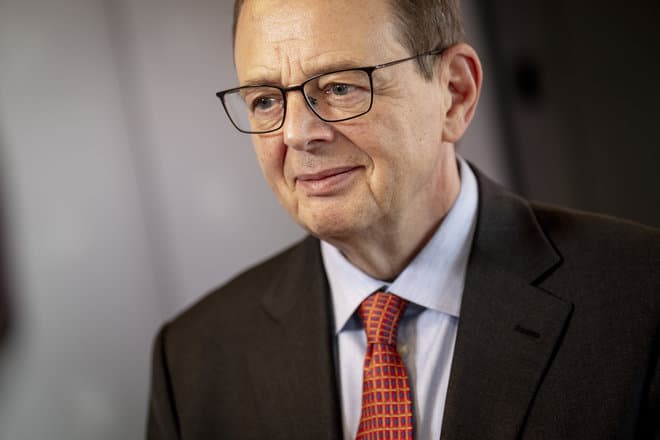
- The electricity tax dates back to the time when electricity was produced from oil and coal. Today, most electricity comes from wind turbines and solar cells, and we are in the process of getting our entire society to run on electricity. Therefore, the tax is counterproductive, says Kristian Jensen, CEO of Green Power Denmark.
Electricity produced from fossil fuels is covered by the EU quota market, and from 2025 it will also be subject to a Danish CO2 tax. So the black electricity will continue to be taxed, points out Green Power Denmark.
The organization calls on politicians to lower the electricity tax by around 10 øre per kWh per year, so that in 2030 it will be at the EU minimum rate. By then, all the electricity we consume in Denmark will come from renewable energy sources.
Many more proposals
However, the energy tax is not the only thing that the Finance Act should address if Green Power Denmark has its way. The organization also hopes that the Finance Act will address the challenges of labor shortages. Green Power Denmark estimates that around 45,000 additional full-time equivalents are needed per year for the green transition.
Green Power Denmark proposes that 10 million kroner be allocated in 2024 for a partnership that will secure labor for the green transition.
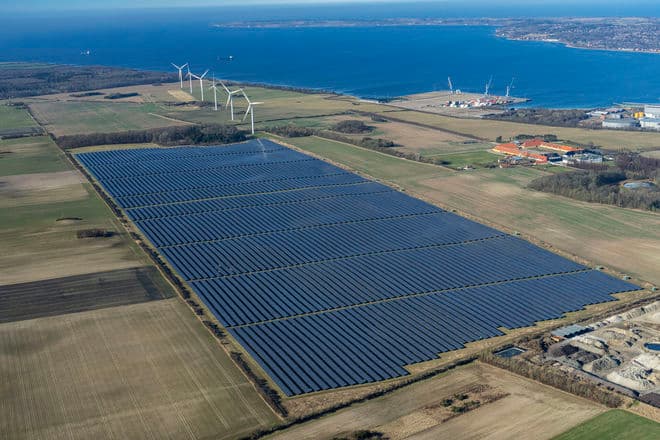
Another major task that Green Power Denmark sees in the coming years will be to have more wind turbines and solar cells built on land. Green Power Denmark will push the development by giving the installers fewer financial burdens, and municipalities that provide land for renewable energy should have greater financial benefits from it.
- Municipalities that take responsibility and provide space for wind turbines and solar cells are unfortunately not rewarded sufficiently for it. Politicians should find a model so that municipalities are allowed to retain the tax revenue generated from the production of green energy to a greater extent, says Kristian Jensen.
In total, Green Power Denmark has 33 specific proposals for the Finance Act for 2024. The business organization itself divides the proposals into seven themes: 1. Safe transition to an electric Denmark: Phasing out fossil fuels, 2. Pace of renewable energy production in coexistence with nature, 3. A strong electricity grid for an electric Denmark, 4. Power-to-X and a strengthened green industry, 5. Promoting green research and development, 6. More hands and heads for the green transition and 7. Further efforts.
All of Green Power Denmark's proposals for the Finance Act can be read here.
Text, graphics, images, sound, and other content on this website are protected under copyright law. DK Medier reserves all rights to the content, including the right to exploit the content for the purpose of text and data mining, cf. Section 11b of the Copyright Act and Article 4 of the DSM Directive.
Customers with IP agreements/major customer agreements may only share Danish Offshore Industry articles internally for the purpose of handling specific cases. Sharing in connection with specific cases refers to journaling, archiving, or similar uses.
Customers with a personal subscription/login may not share Danish Offshore Industry articles with individuals who do not themselves have a personal subscription to Danish Offshore Industry.
Any deviation from the above requires written consent from DK Medier.