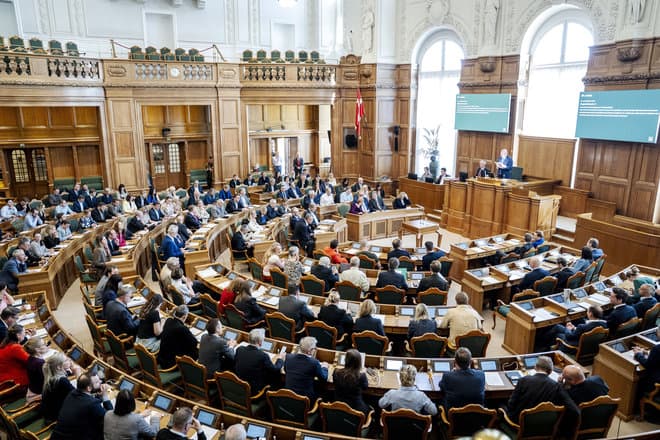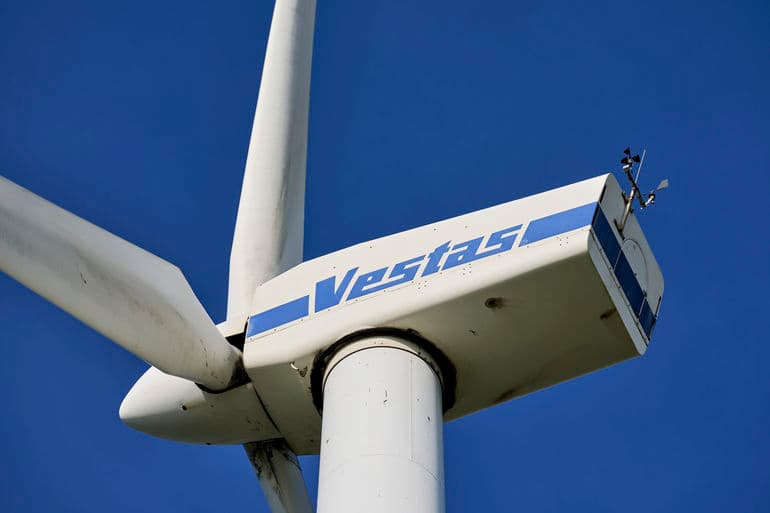
Danish companies such as Vestas and Novo Nordisk are well-known around the world. This may be due to the fact that Danish companies are still some of the most active in Europe in innovating - and protecting their inventions and research. This is shown by new figures from the European Patent Office, EPO, according to the Danish Patent and Trademark Office.
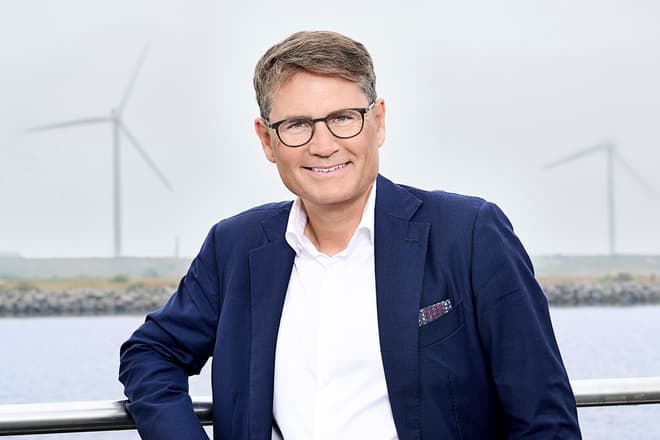
The EPO is a joint European authority that issues patents that can cover up to 45 countries. Denmark is number four on the list measured by the number of applications per million inhabitants. Switzerland, Sweden and Finland are above Denmark. Denmark's ranking is excellent and positive, says Rune Lorentzen. He is head of the unit at the Centre for Policy, Law and International Work at the Danish Patent and Trademark Office.
- It is really good for companies, and it is also really good for Denmark as a society, that we are ranked so high, he says.
A patent is an exclusive right to exploit an invention commercially. So if a company has invented something new and groundbreaking and wants to make money from it, it is a huge advantage to have a patent, explains Rune Lorentzen.
- Patents give companies an incentive to invest in research and development, which contributes to creating newer and better products for consumers, he says.
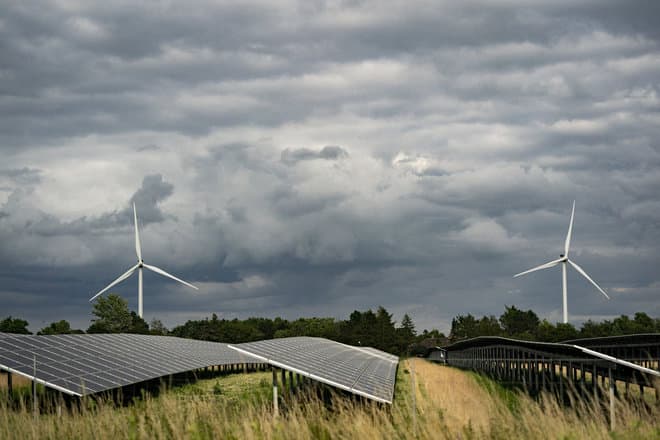
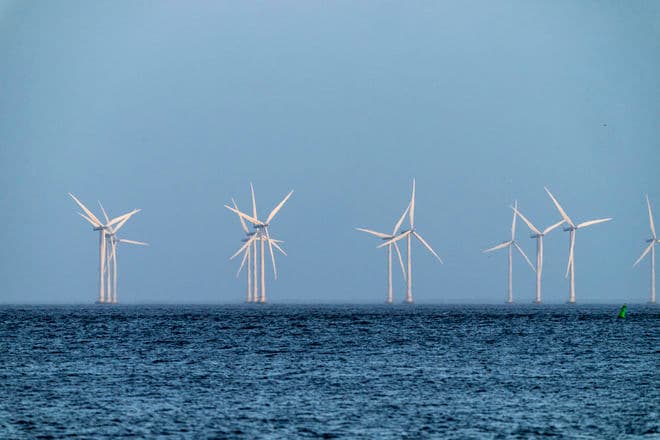
If the system did not exist, you would see significantly less investment in, for example, the pharmaceutical industry, Rune Lorentzen estimates. In first place among Danish companies with the most patent applications is the wind turbine manufacturer Vestas.
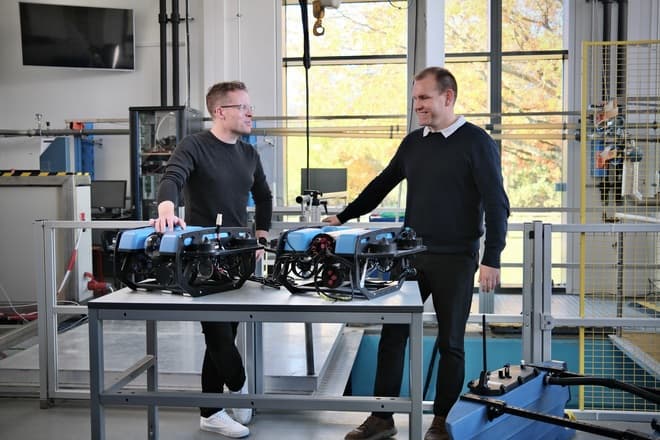
In second place is the biotech company Novozymes, while the Technical University of Denmark (DTU) has submitted the third most applications. According to Rune Lorentzen, the figures confirm that biotechnology, medical technology, wind turbine technology and measurement equipment are among Denmark's absolute strengths.
- Innovation and patent activity are high within these industries, he says.
The fact that Denmark has done well on the innovation front for many years is due to several factors, says Malene Dall Sørensen. She is a consultant and responsible for rights at the Confederation of Danish Industry. This includes good research and development environments, cooperation between research institutions and companies, and access to advice on patents and opportunities for support.
- The fact that Danish companies are able to develop new technology and solutions can give them a competitive advantage. Both nationally and internationally, she elaborates.
In addition, innovative and new technology can open up new export markets, which can lead to increased exports and international growth for Denmark.
- And as the icing on the cake, a Danish innovative working environment is also really attractive for highly qualified labor, but certainly also attractive for the entrepreneurial environment. In the long term, this can lead to a continuous influx of talent, says Malene Dall Sørensen.
She explains that registered patent rights will often weigh heavily with investors.
- It can also open up partnerships with other companies that want to use the company's patented technology, says Malene Dall Sørensen.
Last year, the government presented a new entrepreneurial strategy, which should lead to more innovative companies. As part of this, the government is offering a patent voucher scheme. It provides support for patent advice and assistance in preparing patent applications, according to the Confederation of Danish Industry.
Denmark "is lagging behind other leading countries when it comes to converting research into commercial solutions," said Minister of Education and Research Christina Egelund (M) in connection with the entrepreneurship strategy.
jel /ritzau/
Text, graphics, images, sound, and other content on this website are protected under copyright law. DK Medier reserves all rights to the content, including the right to exploit the content for the purpose of text and data mining, cf. Section 11b of the Copyright Act and Article 4 of the DSM Directive.
Customers with IP agreements/major customer agreements may only share Danish Offshore Industry articles internally for the purpose of handling specific cases. Sharing in connection with specific cases refers to journaling, archiving, or similar uses.
Customers with a personal subscription/login may not share Danish Offshore Industry articles with individuals who do not themselves have a personal subscription to Danish Offshore Industry.
Any deviation from the above requires written consent from DK Medier.