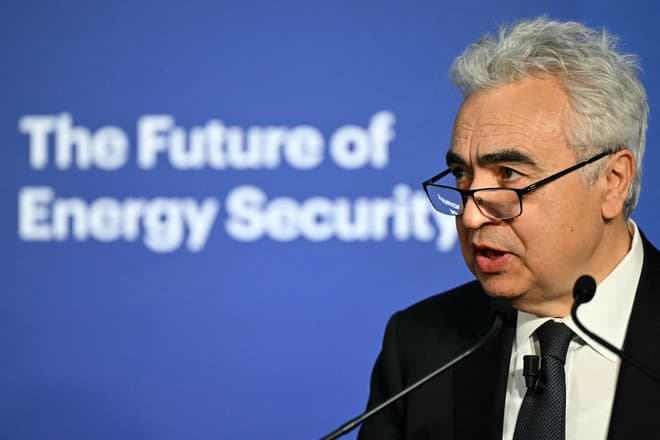
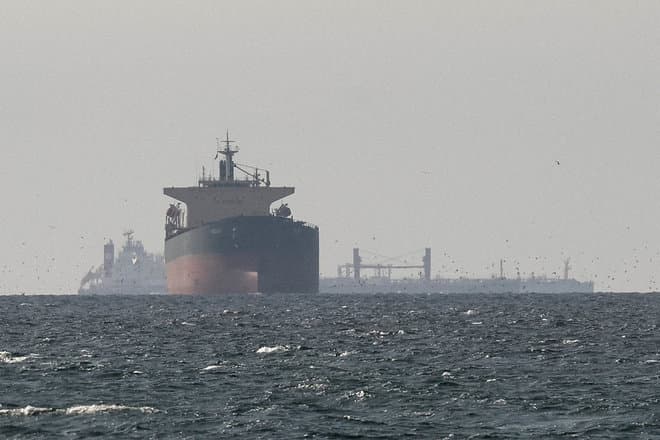
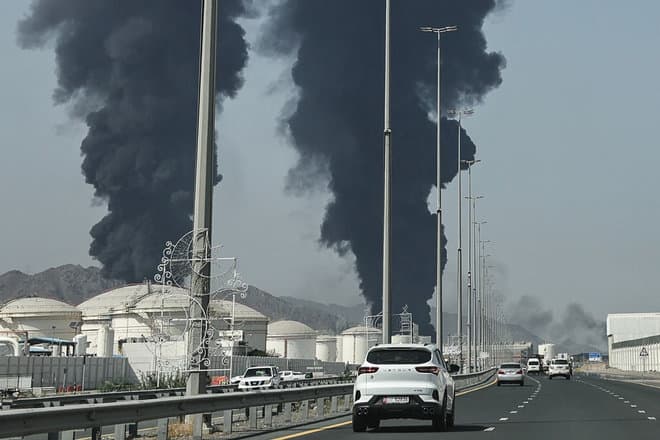
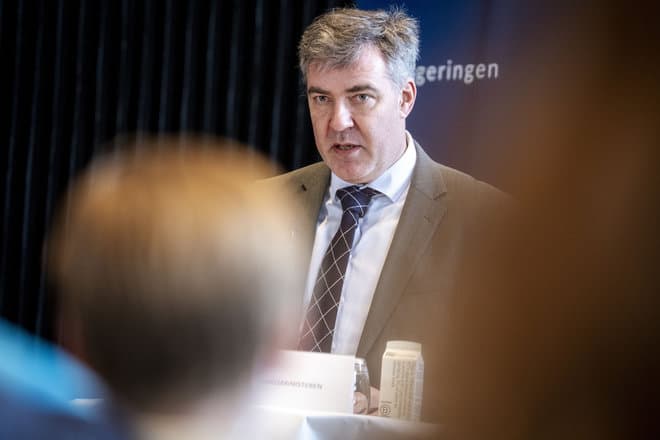
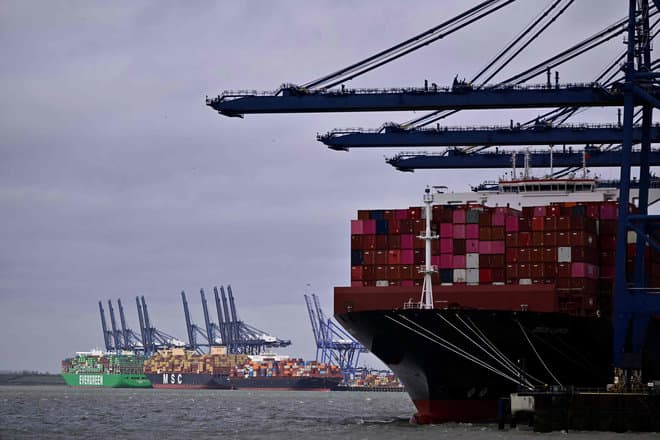
Military naval escorts through the Strait of Hormuz will not eliminate the risk of Iranian attacks on international cargo ships, Arsenio Dominguez, secretary-general of the International Maritime Organization (IMO), told the Financial Times on Tuesday.
- It will reduce the risk, but the risk is still there. Cargo ships and sailors could be affected, Dominguez said.
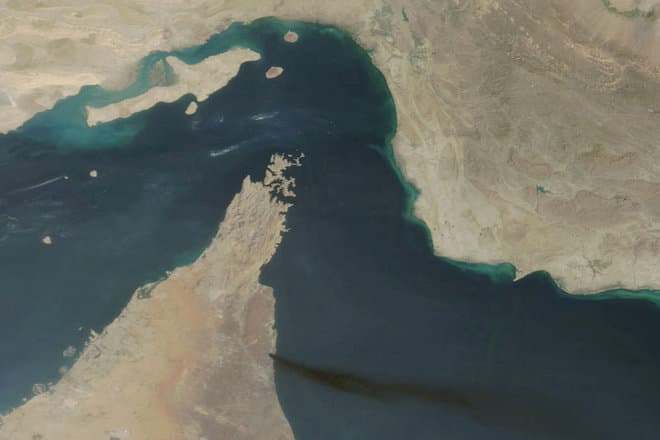
He does not see military naval escorts as a long-term or sustainable solution to getting cargo ships through the strait. US President Donald Trump said on Friday that US warships would "soon" begin escorting oil tankers through the strait, which lies between Iran and Oman.
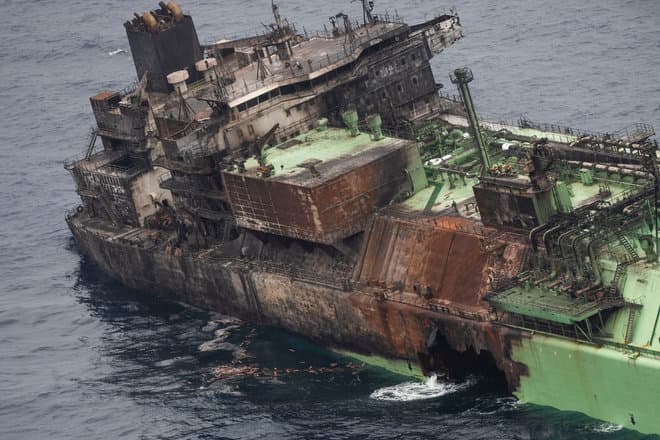
Over the weekend, Trump called on several countries to help, but several European countries have declined. Since the US and Israel launched the first wave of attacks on Iran on February 28, shipping traffic in the Strait of Hormuz has more or less come to a standstill. Iran has attacked at least 18 ships since the start of the war, writes the Financial Times.
20 percent of the world's oil consumption passes through the strait, and oil prices have risen to their highest level in several years in the past two weeks. According to Arsenio Dominguez, mountains on the Iranian side of the narrow strait mean that it is easy to expose cargo ships to attack without prior warning. Several ships are trapped inside the strait, and according to the secretary-general, more crews will soon need help.
- Access to ports is also limited because port facilities are being attacked. At some point, supplies will start to run out in terms of food, water and oil, so that the ships can no longer continue operating, Arsenio Dominguez tells the Financial Times.
/ritzau/
Text, graphics, images, sound, and other content on this website are protected under copyright law. DK Medier reserves all rights to the content, including the right to exploit the content for the purpose of text and data mining, cf. Section 11b of the Copyright Act and Article 4 of the DSM Directive.
Customers with IP agreements/major customer agreements may only share Danish Offshore Industry articles internally for the purpose of handling specific cases. Sharing in connection with specific cases refers to journaling, archiving, or similar uses.
Customers with a personal subscription/login may not share Danish Offshore Industry articles with individuals who do not themselves have a personal subscription to Danish Offshore Industry.
Any deviation from the above requires written consent from DK Medier.