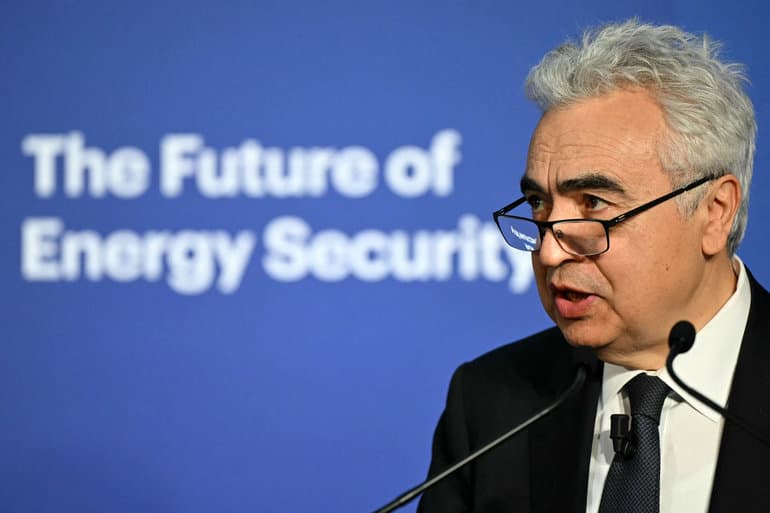
If necessary, the countries that are members of the International Energy Agency (IEA) can release even more oil from reserves than the 400 million barrels that were agreed last week.
This is what the IEA's executive director, Fatih Birol, said in a statement on Monday afternoon, Reuters reports.
The 400 million barrels of oil that will be released in the coming time constitute approximately 20 percent of the total reserves, he says.
- Despite this enormous release, we still have a lot left in stock. This release, when implemented, will only have reduced emergency stocks in IEA countries by about 20 percent, says Fatih Birol.
The 400 million barrels that are being sent out into the global oil trade are the largest amount the energy agency has released from its reserves to date.
The decision to release it was made last week after almost a week and a half of rising oil prices and falling oil volumes on the global market.
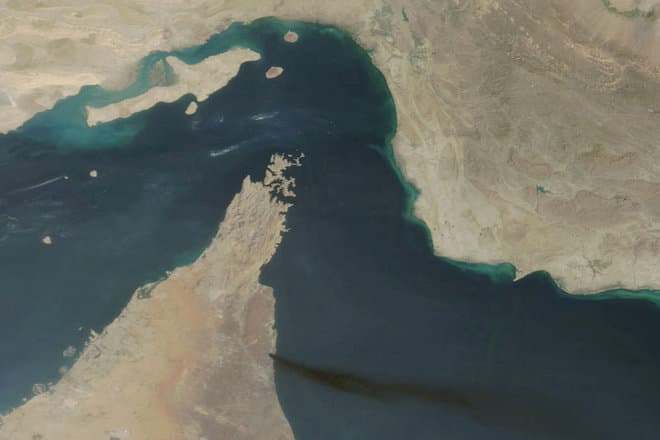
Oil prices began to rise after Israel and the United States attacked Iran on February 28, and after the Strait of Hormuz was effectively closed.
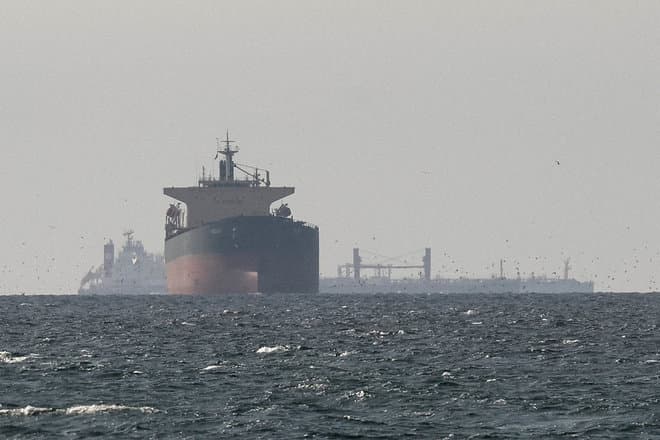
The Strait of Hormuz, an important transport route for shipping oil from the countries around the Persian Gulf, was closed to civilian shipping due to the risk of attack and because the Revolutionary Guards took control of the strait.
32 countries are members of the IEA - including Denmark, a number of other European countries, USA, Canada, Australia and Japan.
Member countries are obliged to have oil reserves that can be used in crisis situations and in the event of disruptions in the global oil market.
The countries must store an amount of oil that corresponds to the amount that the individual countries imported during 90 days of the previous year.
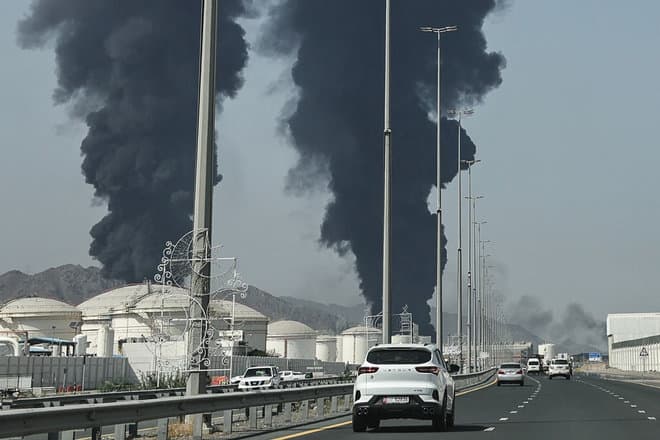
The oil reserves can be stored in refineries, oil terminals and oil fields underground or under the seabed, among other places.
During the war in the Middle East, the price of crude oil has been above 100 dollars per barrel for several days. On March 9, the price of oil reached as high as $115 per barrel, the highest level since Russia's invasion of Ukraine in 2022.
In comparison, the price of oil was around $65 per barrel in the days leading up to February 28, when Israel and the United States launched the war against Iran.
/ritzau/
Text, graphics, images, sound, and other content on this website are protected under copyright law. DK Medier reserves all rights to the content, including the right to exploit the content for the purpose of text and data mining, cf. Section 11b of the Copyright Act and Article 4 of the DSM Directive.
Customers with IP agreements/major customer agreements may only share Danish Offshore Industry articles internally for the purpose of handling specific cases. Sharing in connection with specific cases refers to journaling, archiving, or similar uses.
Customers with a personal subscription/login may not share Danish Offshore Industry articles with individuals who do not themselves have a personal subscription to Danish Offshore Industry.
Any deviation from the above requires written consent from DK Medier.