Every fifth electricity contract fails in a test conducted by the Danish Consumer Council Think. This is due, among other things, to hidden prices, high surcharges, or because the company behind it has had several cases with the authorities.
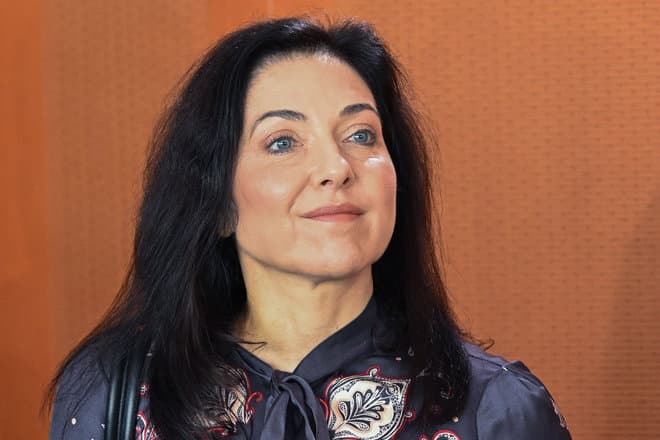
This leads the Consumer Council's director, Winni Grosbøll, to urge consumers to "steer clear of the dumps". The council writes this in a press release.
- There are a great many electricity companies in Denmark, and there is no reason to choose a company that hides prices, does not comply with the rules or is simply extremely expensive, she says in the release.
It is electricity contracts with variable prices that are included in the test, as it is this type of contract that the council generally considers to be the cheapest. According to the council, hidden surcharges to the electricity price in particular are the reason why more companies fail.
This applies, among other things, to so-called trading costs, which many companies do not include in the price they market themselves with. For example, a company writes on their website:
"We only have one surcharge on the purchase price (+12.5 øre per kWh). Nothing else."
However, a closer look shows, according to the Danish Consumer Council Think, that in this specific case, an additional 3.75 øre per kilowatt-hour (kWh) is added in the form of trading costs.
Has reviewed 1,500 electricity bills
As part of the test, the consumer watchdog has also reviewed more than 1,500 electricity bills submitted by members. According to the council, the review shows that many consumers have electricity contracts that are generally more expensive than the products the companies offer new customers.
This leads the Danish Consumer Council Think to encourage consumers to keep an eye on their electricity bill and continuously check whether they can get a better price.
Last year, the parties in the Danish Parliament entered into a political agreement on stricter rules and better consumer protection in the electricity sector. Among other things, requirements for more transparent prices have been introduced, and the sanctions for breaking the rules have been tightened.
/ritzau/
Text, graphics, images, sound, and other content on this website are protected under copyright law. DK Medier reserves all rights to the content, including the right to exploit the content for the purpose of text and data mining, cf. Section 11b of the Copyright Act and Article 4 of the DSM Directive.
Customers with IP agreements/major customer agreements may only share Danish Offshore Industry articles internally for the purpose of handling specific cases. Sharing in connection with specific cases refers to journaling, archiving, or similar uses.
Customers with a personal subscription/login may not share Danish Offshore Industry articles with individuals who do not themselves have a personal subscription to Danish Offshore Industry.
Any deviation from the above requires written consent from DK Medier.