
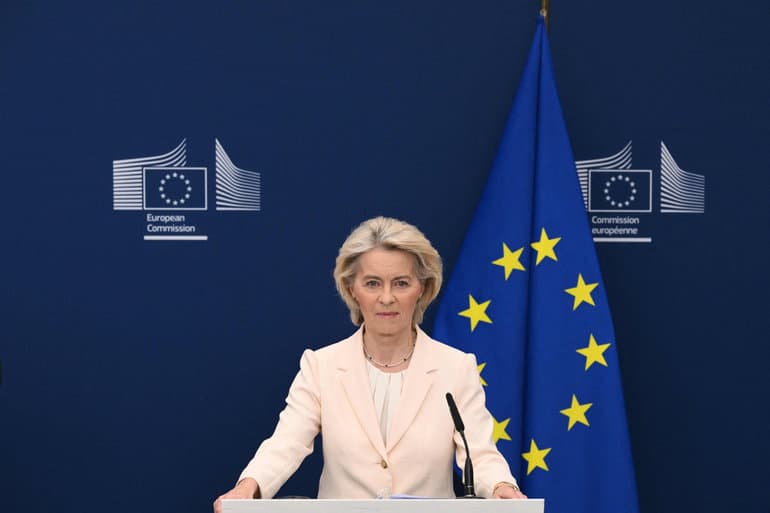
The European Commission will increase support for member states that wish to evacuate their citizens as a result of the conflict in Iran. The European Commission said this in a written comment after a meeting of the Security College on Monday.
- The work of the Commission will be guided by two priorities: supporting member states and protecting EU citizens from the negative consequences of the events in Iran and the Middle East, the European Commission said in a written comment.
The European Commission's Security College is a new, specialised meeting format. It was introduced by von der Leyen in March 2025. This was done to promote a "preparedness mentality" in the European Commission, the EU's executive branch.
The special college brings together commissioners to discuss, analyse and coordinate collective security threats based on updates from the EU's external action. These could include cyber and energy threats as well as military threats.
These were some of the topics that were also in focus at Monday's meeting on the situation in the Middle East. The meeting was held while several EU countries, including Denmark, are in a situation where thousands of their citizens are still in the Middle East.
- The Commission is increasing its support for the evacuation and repatriation efforts of the Member States. This is done, among other things, through the EU Civil Protection Mechanism and the Emergency Coordination Centre. And in close cooperation with the EU delegations, writes the EU Commission.
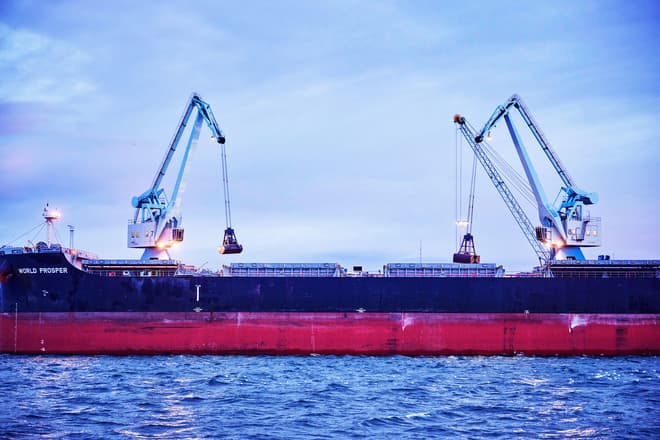
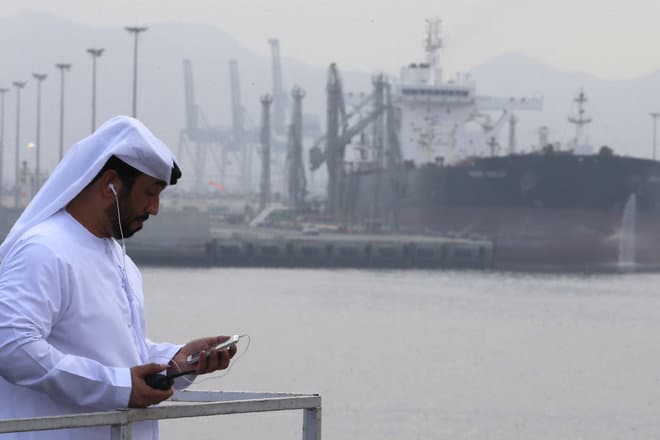
The EU Commission will also strengthen the monitoring of transport around the Strait of Hormuz and the Red Sea. At the same time, it says it will "intensify coordination with airlines, shipping companies and national authorities."
Will convene an energy group meeting
In the energy area, the EU Commission is "closely monitoring developments in both prices and supplies." Here, the EU Commission, in cooperation with the International Energy Agency, will convene an energy group with the member states.
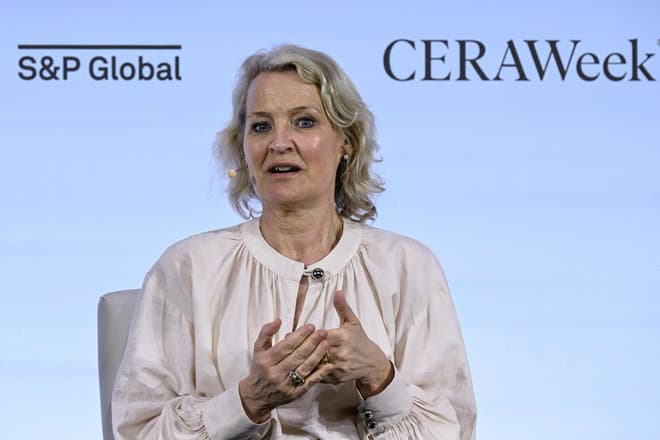
The goal is for the energy group to hold its first meeting this week. This could be well-used, says Simone Tagliapietra, an analyst at the Bruegel think tank, which focuses on economic issues.
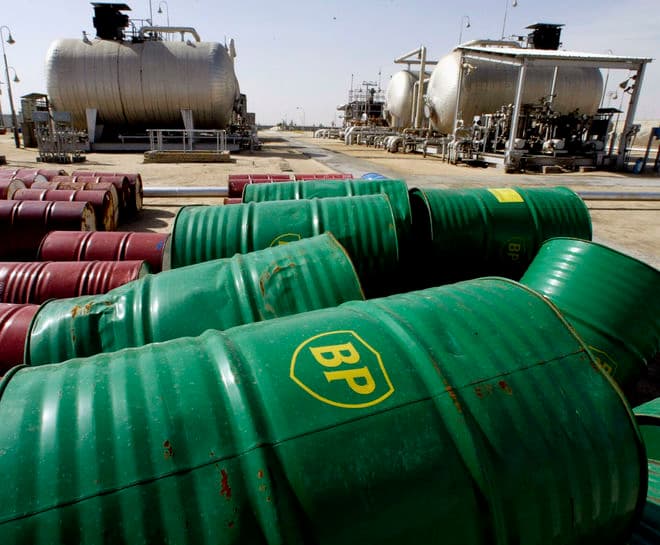
- The US and Israeli attacks on Iran have reopened the most significant energy security issue in the global economy: the disruption of oil and gas supplies from the Middle East, which pass through the world's most important energy hub, the Strait of Hormuz, Simone Tagliapietra states in a new analysis.
Around 20 million barrels of oil and oil products per day are at stake. This corresponds to around a fifth of global consumption.
In addition, all exports of liquefied natural gas (LNG) from Qatar and the United Arab Emirates are also at stake. This corresponds to around 20 percent of global LNG trade.
The EU is particularly vulnerable to gas prices, which have already risen sharply because stocks are lower than last year. In the area of internal security, the European Commission will "increase vigilance and cooperate closely with Europol and the Member States on potential internal security risks".
The European Commission does not elaborate on what these "internal security risks" may consist of. Cyprus is the only EU country to have been hit by a drone attack on a British base in Cyprus.
Finally, the Commission is strengthening its preparedness in the area of migration. This is done through "closer monitoring of trends and enhanced cooperation with relevant UN agencies and partner countries", it says.
/ritzau/amp
Text, graphics, images, sound, and other content on this website are protected under copyright law. DK Medier reserves all rights to the content, including the right to exploit the content for the purpose of text and data mining, cf. Section 11b of the Copyright Act and Article 4 of the DSM Directive.
Customers with IP agreements/major customer agreements may only share Danish Offshore Industry articles internally for the purpose of handling specific cases. Sharing in connection with specific cases refers to journaling, archiving, or similar uses.
Customers with a personal subscription/login may not share Danish Offshore Industry articles with individuals who do not themselves have a personal subscription to Danish Offshore Industry.
Any deviation from the above requires written consent from DK Medier.