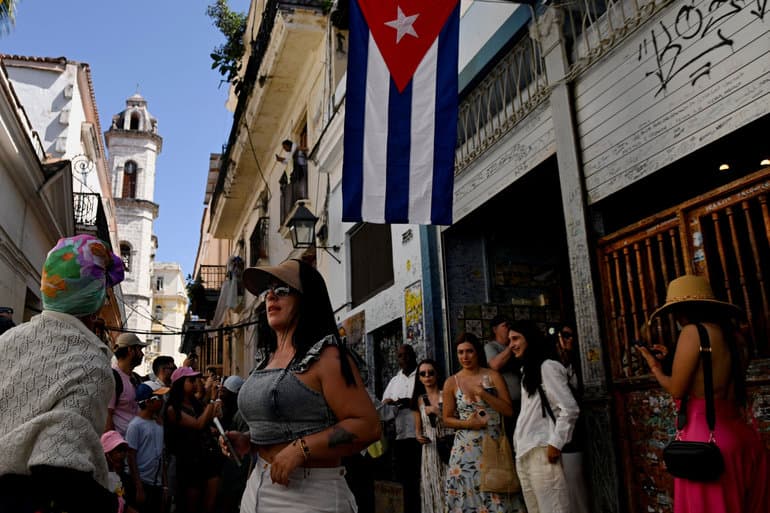
The current fuel blockade in Cuba is causing tourists to leave the island state. This is reported by the AFP news agency.
Cubans have experienced prolonged power outages and a lack of fuel. This means that many of the island's hotels are left with empty rooms due to the lack of tourism.
According to the AFP news agency, around 30 hotels are without guests.
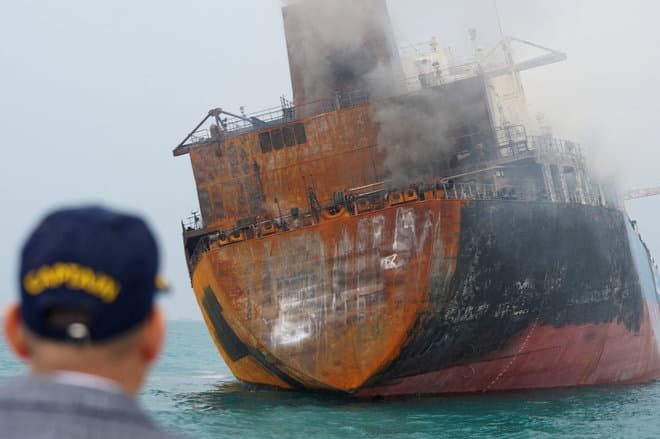
Cuba has previously informed international airlines that they are unable to refuel in Cuba due to the energy crisis caused by the island's lack of oil supplies.
Several countries have also advised against travel to Cuba.
Among the countries that advise against unnecessary entry to Cuba are the United Kingdom, Canada and the United States.
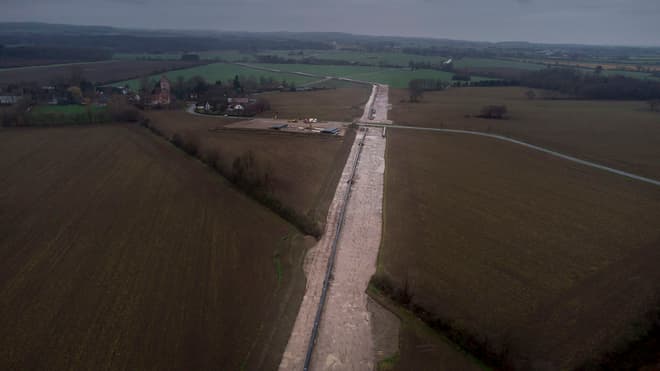
Cuba is suffering from severe pressure on its oil supplies. This is due to the US arrest of former Venezuelan President Nicolas Maduro.
The US then blocked all oil supplies to Cuba, which has close ties with Venezuela.
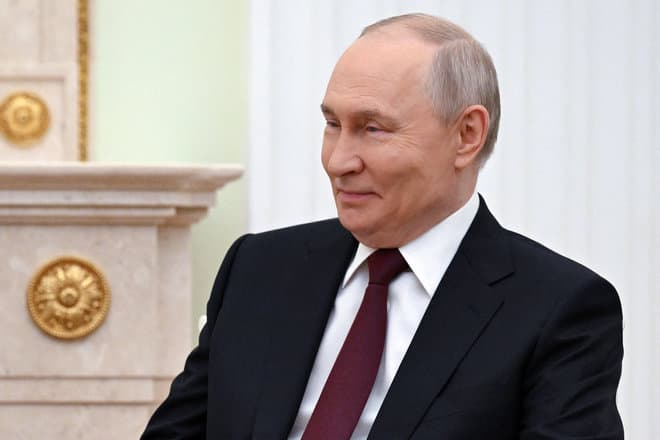
The Russian news outlet Tess reported on Friday that Russia's Deputy Foreign Minister, Sergei Alexeyevich Ryabkov, stated that Russia will help Cuba with emergency aid.
In addition to the emergency aid, the Russians are also prepared to send oil to Cuba. This is reported by the Russian news newspaper Izvestia according to Reuters.
Russia and Cuba have been close allies for many years.
A spokesman for the Russian president spoke out earlier in February about the contact between the two countries.
- We maintain intensive contact with our Cuban friends through diplomatic and other channels, says Dmitry Peskov.
The Danish Ministry of Foreign Affairs has no travel advice for Cuba, but urges that people stay informed. The ministry states this on its website.
Text, graphics, images, sound, and other content on this website are protected under copyright law. DK Medier reserves all rights to the content, including the right to exploit the content for the purpose of text and data mining, cf. Section 11b of the Copyright Act and Article 4 of the DSM Directive.
Customers with IP agreements/major customer agreements may only share Danish Offshore Industry articles internally for the purpose of handling specific cases. Sharing in connection with specific cases refers to journaling, archiving, or similar uses.
Customers with a personal subscription/login may not share Danish Offshore Industry articles with individuals who do not themselves have a personal subscription to Danish Offshore Industry.
Any deviation from the above requires written consent from DK Medier.