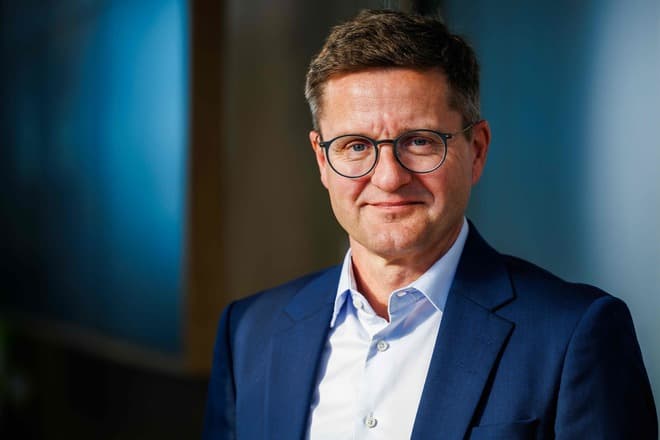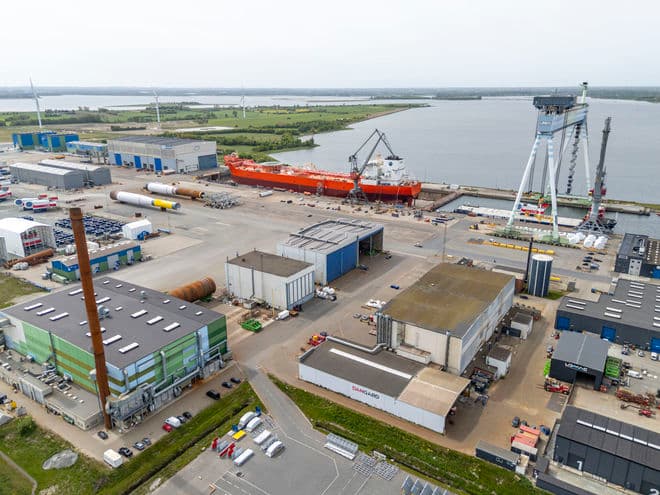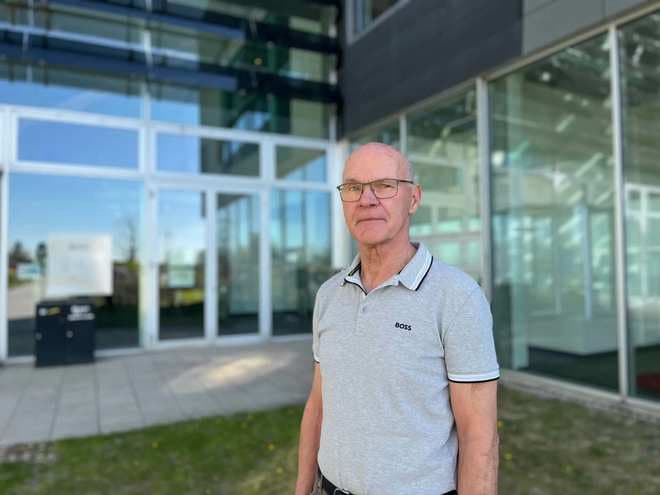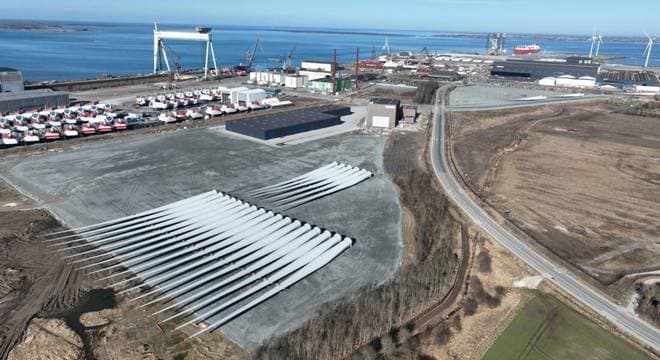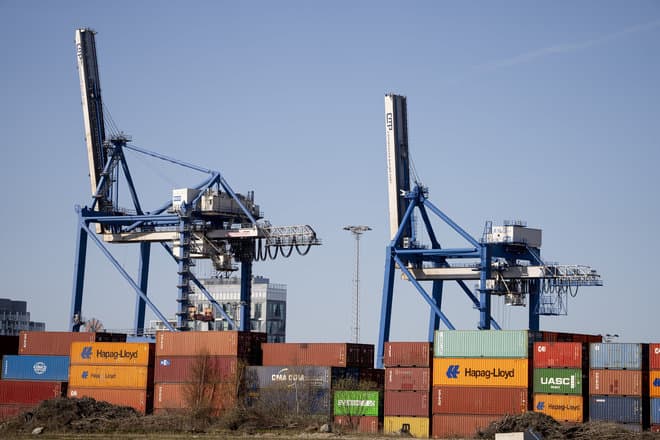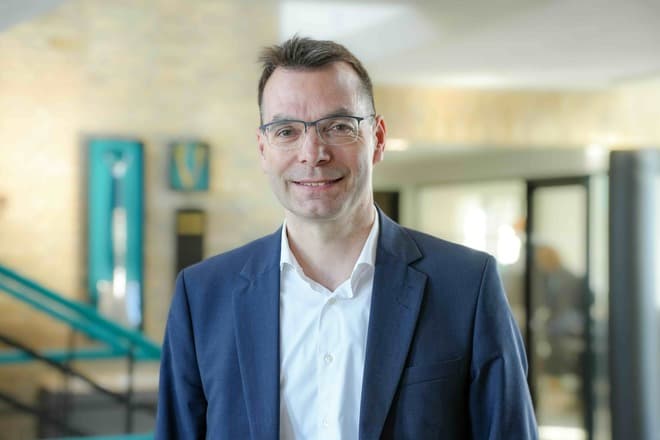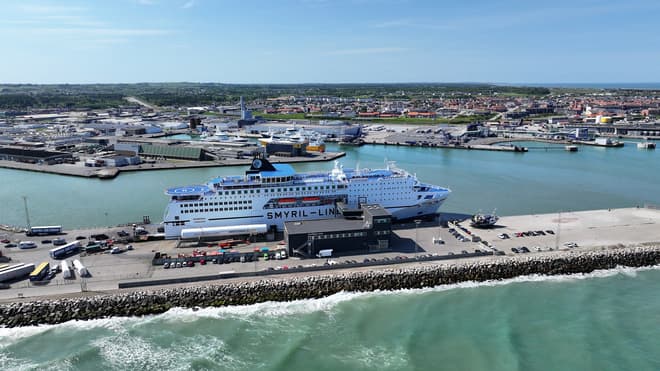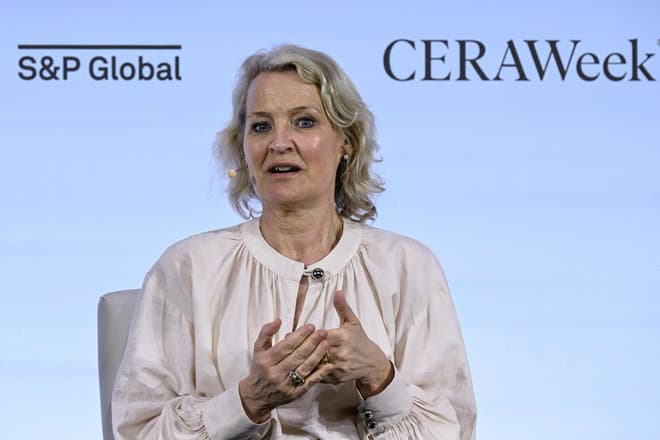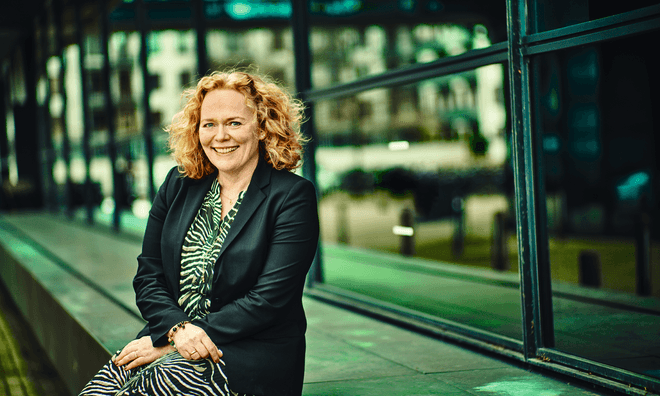



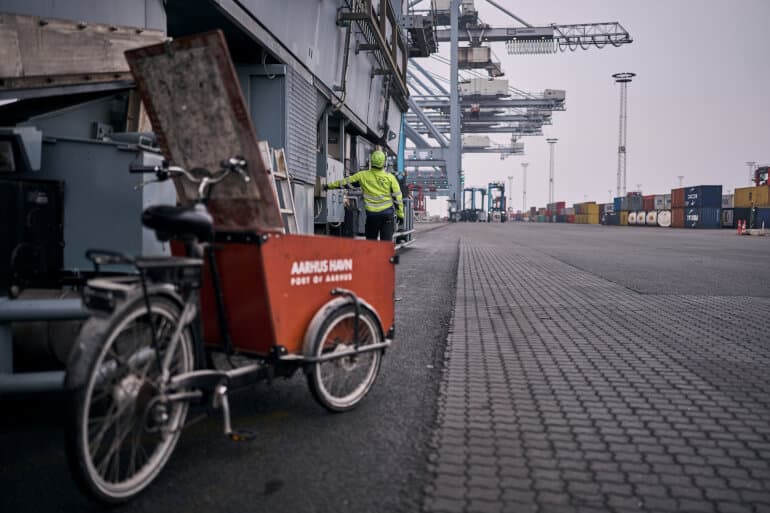
Denmark's largest commercial port, the Port of Aarhus, is now placing an increased focus on sustainability. Thus, Operations Director Anne Zachariassen, together with her sustainability team, has just published the company's third sustainability report.
As something new, the report focuses for the first time on scope 3 (CO2 footprint from the entire value chain), where previously only scope 1+2 (the company's own CO2 footprint) has been reported. This is stated by the port in a press release.
- This means that we have seriously started looking at our suppliers' CO2 footprints and their work with sustainability, says Anne Zachariassen.
She emphasizes that it is a challenging task that the Port of Aarhus has taken on. For example, it is necessary to examine the climate impact of a material throughout its life cycle, which is why it is not enough to simply look at whether it is manufactured sustainably.
For example, this may provide more work in connection with the Port of Aarhus' ambitions for an expansion. Here, the Port of Aarhus will strive to build the Outer Harbor as climate-friendly as possible - and also with a lower CO2 footprint than stated in the environmental impact assessment.
- In addition to what we have already identified ourselves, there is no doubt that both technological development and changed legislation, such as e.g. introduction of CO2 taxes, will help us in the right direction, points out Anne Zachariassen.
Will be the most sustainable port in the Baltic Sea
In addition to the increased focus on sustainability throughout the value chain, the Port of Aarhus is also one of the first ports in the world to be approved by the Science Based Targets Initiative (SBTi).
SBTi, which has the support of more than 2000 companies from all over the world, must ensure that companies work with sustainability based on a global scientific standard and that their climate goals meet the Paris Agreement.
With the approval, SBTi has approved that the port's goal to reduce CO2 emissions meets the goals of the Paris Agreement. Anne Zachariassen is delighted with the SBTi approval.
- Three years ago, we set ourselves the goal of being CO2neutral in 2030 in relation to the company's own CO2 footprint (scope 1+2) and at the same time being the most sustainable port in the Baltic Sea. Now we have received clear recognition that the work we are doing will lead us to our goal, states Anne Zachariassen.
amp
Text, graphics, images, sound, and other content on this website are protected under copyright law. DK Medier reserves all rights to the content, including the right to exploit the content for the purpose of text and data mining, cf. Section 11b of the Copyright Act and Article 4 of the DSM Directive.
Customers with IP agreements/major customer agreements may only share Danish Offshore Industry articles internally for the purpose of handling specific cases. Sharing in connection with specific cases refers to journaling, archiving, or similar uses.
Customers with a personal subscription/login may not share Danish Offshore Industry articles with individuals who do not themselves have a personal subscription to Danish Offshore Industry.
Any deviation from the above requires written consent from DK Medier.