A broad majority in the Danish Parliament reached an agreement on the construction and ownership of a new energy island in the North Sea on Thursday, where it was also decided that it would be a physical island and not a platform, as Ørsted, among others, had argued for.
The industry organization Wind Denmark praises the political vision for the island, but emphasizes that the pace and framework will now be crucial. With today's political agreement, the authorities can now start planning the specific tender for the energy island.
However, Wind Denmark would like to be free to decide which type of energy island they would build:
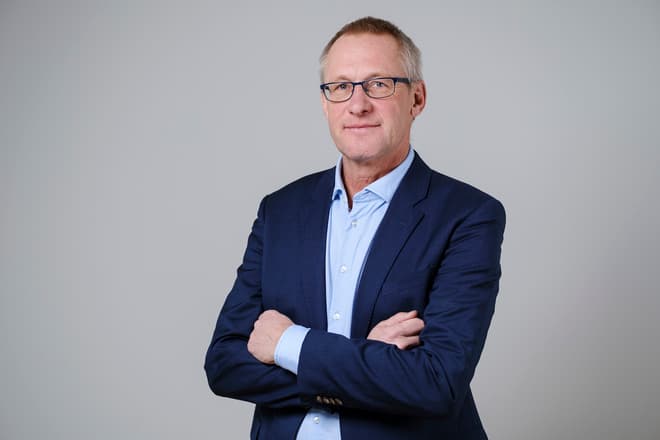
- Although Wind Denmark had preferred that the tender model for the energy island in the North Sea enabled the final technical design of the island to be decided at the same time as the tender for the 3 GW offshore wind, the decision on a physical island is now a fact. It is therefore important that all efforts are now put into creating clarity about the technical, economic and legal framework for the establishment of the islands and not least the crucial international connections, so that the necessary pace is ensured, says CEO Jan Hylleberg.
Delayed before we have even started
However, the political agreement for the two energy islands means that the establishment of the islands will probably not take place until 2033 - i.e. three years later than initially planned.
- Unfortunately, the agreement today means that the energy islands will probably be delayed by up to three years. With the extensive electrification of society, which the 70 percent target in 2030 requires, the delay to 2033 must necessarily mean that political efforts for, for example, onshore wind must also be prioritized, since the result in 2030 will otherwise mean more thermally based electricity production than assumed in the climate agreement in 2020, explains Jan Hylleberg.
The delay risks creating a green backlog that must be compensated for in other ways.
- The fact that in 2030 there will probably be a shortage of up to 23 TWh of green electricity will leave a green backlog, not only in relation to Danish climate policy, where new compensatory measures may be needed, but in any case the delay cannot avoid leading to increased CO2 emissions from electricity production at a European level, says Jan Hylleberg.
However, there is a possibility of bringing forward the Bornholm Energy Island if the international connection can be established earlier.
However, Wind Denmark praises the agreement for focusing on clarifying the technical, economic and legal framework for the energy islands.
- In this way, as many investment decisions as possible are held, which ultimately support continued Danish economic growth and employment, says Jan Hylleberg.
esl
Text, graphics, images, sound, and other content on this website are protected under copyright law. DK Medier reserves all rights to the content, including the right to exploit the content for the purpose of text and data mining, cf. Section 11b of the Copyright Act and Article 4 of the DSM Directive.
Customers with IP agreements/major customer agreements may only share Danish Offshore Industry articles internally for the purpose of handling specific cases. Sharing in connection with specific cases refers to journaling, archiving, or similar uses.
Customers with a personal subscription/login may not share Danish Offshore Industry articles with individuals who do not themselves have a personal subscription to Danish Offshore Industry.
Any deviation from the above requires written consent from DK Medier.